In the realm of cruiser motorcycles, the year 2007 emerged as a vibrant battleground where steel chariots sought to claim supremacy in style, power, and soul. It was a contest reminiscent of an ancient duel, where the roaring engines replaced the clash of swords and the gleam of chrome stood in for polished armor. Among the contenders, three titans took center stage: the iconic Harley-Davidson, the venerable Honda Shadow, and the fluidly stylish Yamaha V Star. Each represented not just machinery, but a distinct philosophy of freedom on two wheels—a symphony of engineering and art that captivated riders longing for the open road’s embrace.
The Harley-Davidson cruiser in 2007 was no mere motorcycle; it was a living legend, a thunderous saga writ large upon asphalt veins. To mount a Harley was to enter a cult of fire and steel, where every growl from its V-twin engine was a declaration of rebellion etched deep within American history. Its design language was unapologetically bold, dripping with nostalgia—broad fenders, a beefy fuel tank shaped like a warrior’s shield, and a stance that spoke to a raw, unfiltered connection between rider and machine. The Harley was the metaphorical longbow of the cruiser world: traditional yet effective, capable of delivering a powerful punch with both precision and poise.
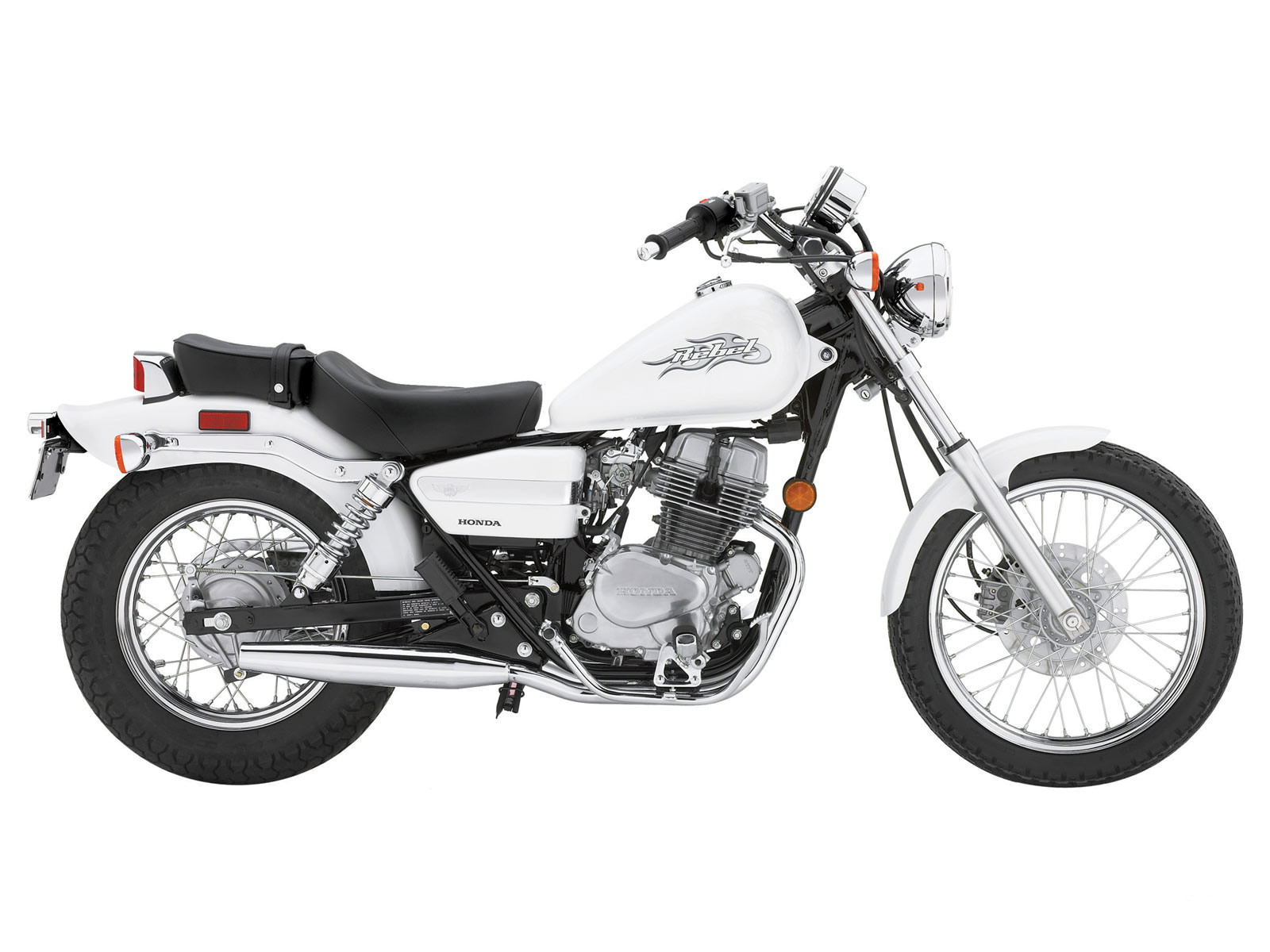
In contrast, the Honda Shadow of 2007 embodied a more measured, precise approach—like a master swordsman wielding a katana with grace and agility. It was the epitome of refined craftsmanship, where reliability met subtle aesthetics. The Shadow’s engine hummed with mechanical harmony, balancing performance with an almost Zen-like smoothness. Riders drawn to the Honda found solace in its predictability, a mechanical confidant that promised both comfort and resilience on extended journeys. Its silhouette was less about grandiosity and more about understated elegance—clean lines, a compact frame, and just enough chrome to catch the light like a flash of polished steel in the sun.
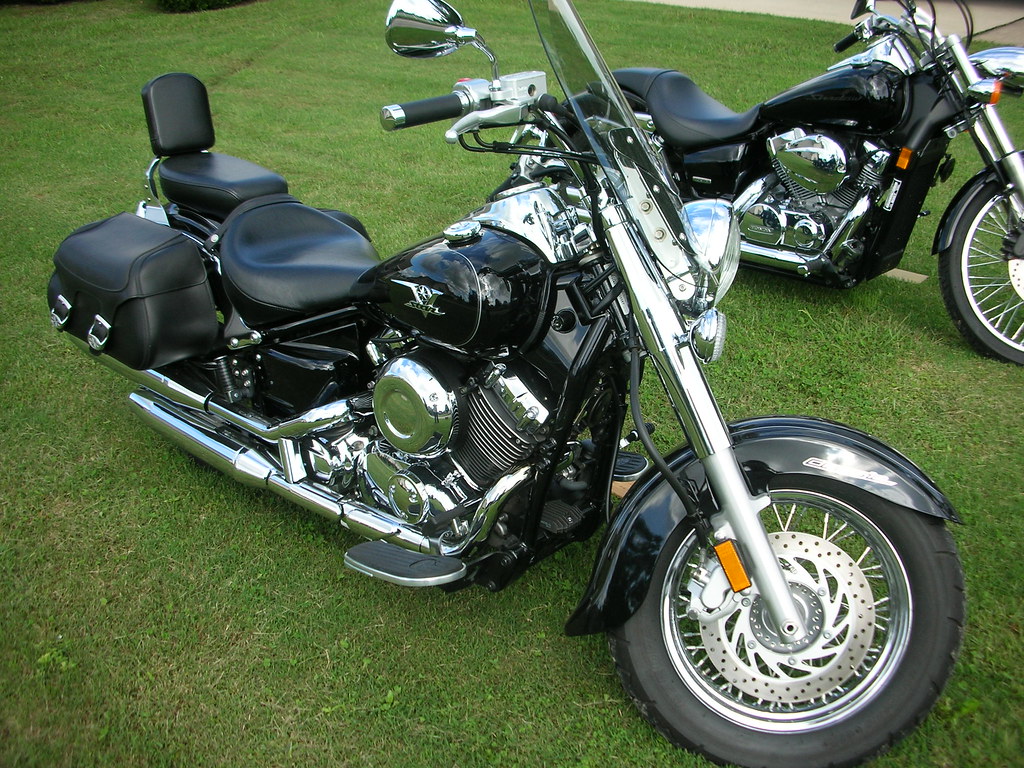
Meanwhile, the Yamaha V Star presented a compelling narrative of versatility and stylistic innovation—a storyteller weaving new myths into the cruiser tapestry. It was neither as overtly traditional as the Harley nor as discreetly balanced as the Shadow. Instead, the V Star channeled a spirit akin to a river carving its own path—fluid, adaptable, and surprisingly robust. The 2007 V Star, especially in the 650cc incarnation, fused Japanese precision with cruiser character, offering a machine that was accessible yet commanding. Its design was both familiar and refreshed, featuring a classic cruiser posture with modern touches that hinted at a willingness to push boundaries while honoring heritage.
Performance-wise, the 2007 Harley harnessed a formidable V-twin engine delivering a visceral torque that transformed every twist of the throttle into a primal roar. It was the embodiment of raw masculinity, a muscle bound in chrome sinews. This power-to-weight ratio created a riding experience that was as intoxicating as it was demanding—an invitation to master the beast beneath you. The chassis was rigid and weighted to promote stability, ideal for grinding miles on open highways with the wind whipping past in a savage ballet.
The Honda Shadow, conversely, took a different tack. Its lighter frame and smoother power delivery made it exceptionally approachable for newcomers and veterans alike. The engine’s characteristic hum was more of a whisper than a shout, evoking a sense of balance and control that a rider could rely on in urban jungles or meandering country roads. This motorcycle was the metaphorical balm for the restless spirit, a reliable companion capable of turning arduous commutes into meditative escapes.
On the Yamaha V Star, the interplay between engine performance and ergonomics was finely tuned. The 650cc engine did not seek to overpower but to engage, offering a harmonious blend of acceleration and comfort. For many, the V Star was the perfect chariot to traverse both the familiar and the uncharted—the riding position optimized for long hours in the saddle, with soft yet responsive suspension that absorbed the road’s imperfections. This made it a favored choice for riders who valued both form and function, a practical steed for the everyday adventurer.
Styling spoke volumes in this triad. Harley-Davidson’s sculptural design conveyed heritage and rugged individualism, frequently adorned with accessories that allowed owners to customize their machine into a personal statement of identity. The Honda Shadow leaned into minimalism, its aesthetics restrained but purposeful, echoing the disciplined artistry of a sumi-e ink painting. Yamaha’s V Star melded these sensibilities by offering styling options that were both timeless and contemporary, bridging gaps between cruiser purists and modernists with flair.
Comfort, often the silent arbiter in cruiser controversies, saw all three excel in their distinct manners. Harleys were traditionally configured with a low seat height and relaxed riding posture, inviting the rider to sink into a realm of ease and command. Shadows provided a more compact yet no less accommodating setup, perfect for nimble handling without sacrificing support. V Stars combined spacious ergonomics with a supple suspension setup that transformed each journey into a seamless dialogue between rider and machine, whether on short jaunts or lengthy expeditions.
When viewed through the lens of cultural desirability, the 2007 cruiser battle revealed deeper narratives. Harley-Davidson was the anthem of Americana, an emblem for those who revered tradition as much as throttle response. Its bikes were badges of membership in a fraternity that prized freedom and fortitude. Honda Shadow, by contrast, spoke to pragmatists who sought reliability and smoothness without sacrificing the cruiser ethos. It was a bridge between mass accessibility and genuine enthusiast appeal. Yamaha V Star carved out a niche as the wildcard—offering riders an elegant balance that appealed to both the traditionalist and the innovator—a synthesis of past and present melded into mechanical poetry.
Ultimately, the 2007 cruiser confrontation did not yield a clear victor, for the contest transcended mere specifications or speed charts. It was a meditation on identity, craftsmanship, and the essence of motorcycling itself. Harley-Davidson remained the venerable monarch of roar and reverence; Honda Shadow was the quiet sage of reliability and finesse; while Yamaha V Star stood as the eloquent diplomat, reconciling heritage with innovation.
In the crucible of this battle, riders were the true winners—each motorcycle offering its own unique portal to adventure, self-expression, and the timeless allure of the open road. To choose among them was not simply a matter of mechanics, but a journey into the heart of what it means to ride free.