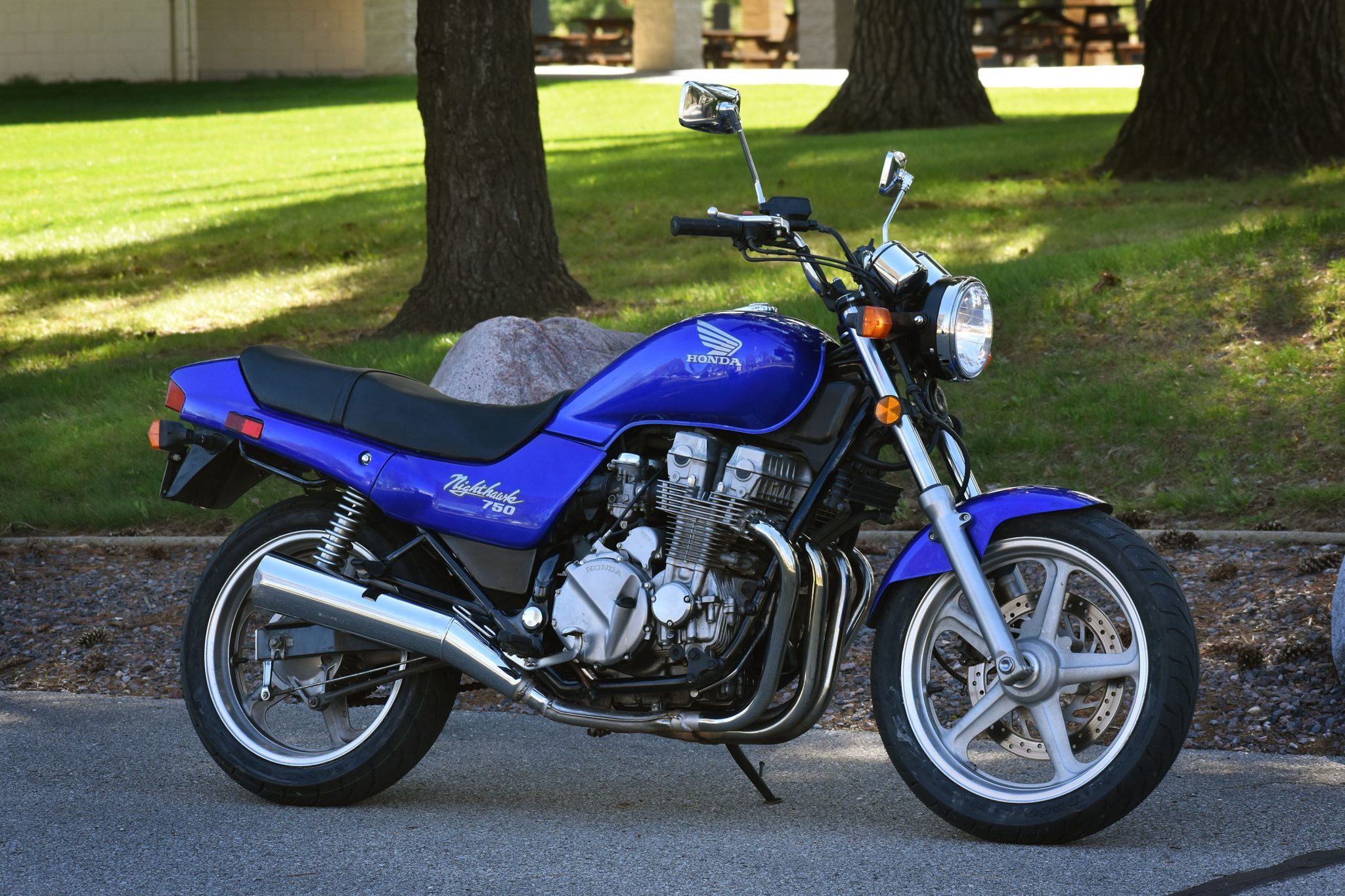
The 1996–1997 Honda Nighthawk 750 is a motorcycle that quietly defies conventional expectations. In a world where sportbikes and cruisers often dominate discussions, the Nighthawk 750 demands attention for reasons beyond just its decade-spanning legacy. It represents the quintessential bulletproof daily rider—robust, reliable, and remarkably unpretentious, yet capable of sparking a genuine shift in how one perceives versatility and endurance in a mid-sized motorcycle.
At first glance, the Nighthawk 750 may appear modest, a no-frills expression of motorcycling past. Its styling harks back to 1970s and 1980s Honda lineage, favoring clean lines and a restrained silhouette over the aggressive contours that characterize many modern machines. But this subtlety is deliberate, an aesthetic choice that prioritizes timelessness and purpose over fleeting trends. The Nighthawk does not scream for attention; it whispers resilience and dependable performance.
Underneath its classic exterior, the 1996–1997 Nighthawk is powered by a 745cc air/oil-cooled inline four-cylinder engine. This unit is an evolution of the venerable CB750 powerplant—a motor with an illustrious history stretching back to the late 1960s, often credited with revolutionizing the motorcycle industry. In these mid-90s incarnations, the engine delivers around 60 horsepower, enough to propel the machine with confidence through urban traffic and serene countryside stretches alike. The character of this engine is noteworthy: it’s torquey and tractable, providing smooth and linear power delivery rather than a frantic rush of acceleration. This makes the Nighthawk particularly suited to everyday commuting and long-haul journeys where fatigue can quickly set in from constant stop-and-go motion or aggressive throttle manhandling.
One of the motorcycle’s most compelling attributes is its exceptional build quality combined with Honda’s renowned mechanical reliability. The Nighthawk 750 is often described reverentially as “bulletproof,” a term too frequently advertised but genuinely earned by this machine. Owners routinely report odometer readings flirting with or surpassing the 100,000-mile mark without significant interventions beyond routine maintenance. The simplicity of its engineering—carburetors instead of complex fuel injection systems, a traditional five-speed transmission, and a chain final drive—ensures ease of servicing and availability of replacement parts worldwide. This accessibility renders the bike a favored choice for riders who prioritize longevity and practical ownership costs above raw performance metrics or flashy technology.
The chassis and suspension setup contribute significantly to the Nighthawk’s adaptable nature. Its conventional steel frame strikes a masterful balance between rigidity and compliance, delivering stability on highways and agility on twisting back roads. The suspension employs telescopic front forks and dual shock absorbers at the rear, eschewing the sophistication of adjustable or inverted forks common in sportier models. While ostensibly basic, this arrangement is more than sufficient to absorb typical road irregularities, contributing to a composed and confidence-inspiring ride. The braking system, comprised of a single disc upfront paired with a rear drum brake, is dependable and progressive, easily modulated to suit varying grip conditions and rider inputs.
Ergonomically, the Nighthawk 750 champions comfort and accessibility. Its seat height is moderate, allowing a broad spectrum of riders, from novices to seasoned veterans, to plant their feet firmly. The upright riding position preserves spinal alignment and reduces fatigue during extended rides—qualities not universally present in performance-oriented motorcycles that prioritize aerodynamics over rider comfort. The handlebars are positioned to encourage natural wrist and shoulder posture, and the foot pegs offer sufficient ground clearance without compromising stability or rider confidence when cornering.
Beyond its mechanical and ergonomic virtues, the Nighthawk 750 intrigues with its subtle blend of utilitarianism and character. Unlike some contemporaries that lean heavily into utilitarian function, the Nighthawk embodies an understated charisma. The chrome accents, classic round headlamp, and refined instrumentation cluster evoke a sense of nostalgia, appealing to those who appreciate motorcycles as cultural artifacts in addition to their practical value.
Another dimension to consider is the Nighthawk’s suitability for a diverse range of riding scenarios. Whether threading through sprawling metropolitan areas, cruising open highways, or embarking on weekend exploration trips, this motorcycle adapts with commendable poise. Its moderate power encourages smooth throttle control, enhancing safety and predictability. The lack of electronic aids—such as traction control or ABS—might initially appear a downside, but it also implies a pure, unmediated riding experience. The rider is engaged, learning the nuances of traction and braking dynamically, which cultivates profound skill and confidence.
Environmental and economic factors also boost the Nighthawk’s profile as an exemplary daily rider. The air-cooled engine, while less efficient than modern liquid-cooled systems, is easy to maintain and less prone to costly failures. The motorcycle’s weight, hovering around 460 pounds (208 kilograms), is substantial but manageable, reinforcing stability at low speeds without compromising agility. Combined with decent fuel economy—often ranging between 40-50 miles per gallon—the Nighthawk presents a persuasive argument for those seeking an economical, reliable commuting companion.
As a time capsule, the 1996–1997 Honda Nighthawk 750 encapsulates a moment when motorcycle design foregrounded functional excellence over gimmicks. It resists the flash and fury of more contemporary machines, inviting riders to savor the fundamentals: solid construction, sensible ergonomics, and an engine tuned for dependability. Owners attest to the bike’s loyalty, often recounting stories of unplanned adventures and daily ritual commutes where the Nighthawk proved an unyielding partner.
In the final analysis, the legacy of the 1996–1997 Honda Nighthawk 750 is far more than the sum of its parts. It’s an invitation to reassess what makes a motorcycle truly great. Instead of exotic materials or blistering acceleration charts, it offers an unshakeable confidence born of enduring engineering and functional clarity. This is a motorcycle that promises not just transportation but a shift in perspective—a reminder that sometimes, the truest path to riding bliss is found in reliability, humility, and timeless practicality.