In the realm of cruiser motorcycles, the 2007 Honda Shadow lineup stands as a compelling study in contrasts—an evocative duel between two models that, while kindred spirits, cater to subtly different tastes and riding philosophies. The Shadow Spirit and Shadow Aero each evoke the essence of American motorcycle tradition, yet they articulate it through unique stylistic lenses and mechanical nuances. To decipher which one claims the crown is akin to choosing between two masterful sonnets, each rich with its own cadence, tone, and lyrical beauty.
At first glance, the Shadow Spirit emerges as a sleek silhouette reminiscent of a wind-sculpted arrow, designed for riders who crave harmony between classic cruiser aesthetics and modern sophistication. With its streamlined bodywork, absently gleaming in a polished chrome and flowing lines, the Spirit projects an aura of sleek aggression rather than overt flamboyance. The 2007 model features a 745cc liquid-cooled, SOHC V-twin engine that murmurs with an understated authority—its mechanical whispers promising a ride both smooth and spirited. This engine is calibrated to offer a balanced torque curve, particularly inviting to those who maneuver through city streets by day and explore winding country roads by dusk.
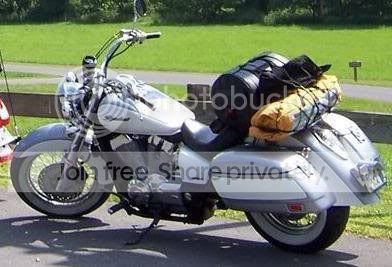
In contrast, the Shadow Aero dons an altogether different mantle—wearing its retro charm like a badge of honor. It is as if the Aero forges a direct lineage to the ghost of classic American cruisers, its silhouette bulky and deliberate, accentuated by abundant flowing fenders that cascade over wide wheels. Thick swathes of glossy paint enveloped by torrents of chrome make the Aero feel like a gleaming armored chariot thrusting forward through time. Its V-twin powerplant shares the same displacement as the Spirit but offers a slightly different tuning, emphasizing a torquey low-end response that feels particularly gratifying under slow cruising or relaxed highway stretches.
The Spirit’s chassis is an exercise in balance, crafted with a more nimble geometry that beckons riders to weave through corners with confident precision. Its relatively lower weight compared to the Aero, combined with slightly revised suspension components, translates to a more engaging riding experience for those inclined toward spirited riding combined with cruiser comfort. Conversely, the Aero’s frame and suspension lean toward plushness, imposing a commanding presence and an ease that wraps the rider in a pool of laidback tranquility. It’s an invitation to surrender to the road’s rhythm, where each mile unfurls leisurely, an extended exhale of repose and pleasure.
Stylistic sensibilities between these two models might be described as the difference between an elegantly tailored tuxedo and an opulent pinstripe suit—the Spirit’s minimalist, muscular aesthetic contrasts vividly with the Aero’s lush, vintage grandeur. The Spirit’s blacked-out engine details and restrained chrome trim appeal to those who revel in quiet confidence and subtle nods to tradition without tipping into ostentation. The Aero, in contrast, doesn’t shy from flamboyance, delighting admirers with deeply sculpted tank emblems, leather-wrapped seats with conchos, and those unmistakable extended fenders that hint at storied roads and bygone eras.
Ergonomics unveil another layer of dichotomy. The Shadow Spirit invites a slightly forward-leaning posture, enabling enhanced control and a more dynamic connection with the machine. Its lower seat height still grants accessibility but encourages the rider to engage actively with the bike’s performance envelope. The Aero, offering a more relaxed, upright seating position with wider handlebars, creates an almost regal carriage—eyes raised, chest open, soaking in the panorama. It is a vehicle designed not just for transportation but for the experience of riding as a meditation, a rolling homage to the open road.
When examining fuel efficiency and practicality, both scooters – pardon, motorcycles – perform admirably within expectations for the cruiser class. The shared fuel-injected V-twin contributes to decent mileage, enabling longer stretches between gas stops. However, the Aero’s emphasis on leisurely riding may coax slightly better consumption numbers for those with a gentler throttle hand, while the Spirit’s sportier disposition invites a more energetic gallop, which may nibble at the fuel tank a bit more voraciously. Storage possibilities remain modest on stock models, a typical tradeoff in the classic cruiser genre, though aftermarket options abound for those seeking to marry style and utility.
Technology-wise, both Shadow models reflect Honda’s commitment to reliability and rider-friendly features rather than trailblazing innovation. Standout aspects include the fuel injection system, which delivers crisp throttle response and enhances cold-weather starting—particularly appreciated in locales where the chill can sap mechanical vivacity. While lacking advanced electronics such as ABS or ride modes, these models instead focus on the virtue of simplicity, ensuring an engagement with the machine that is visceral and unmediated by electronic interlopers.
In the arena of community and culture, the 2007 Shadow lineup is more than machinery; it is a conduit into a storied riding tradition. The Spirit, with its slightly edgier persona, tends to attract younger riders and those who long for a cruiser but balk at the gaudy trappings of some competitors. Its allure is that of the understated rebel, a motorcycle that whispers rather than shouts. The Aero, meanwhile, is a siren call to the classic cruiser devotee—a rider who dreams not only of motion but of history and ritual, tracing sprawling highways with a timeless vessel that feels attuned to past and present alike.
Ultimately, the question “Which one wins?” depends less on objective superiority than on personal resonance. The Spirit triumphs when agility, subtlety, and contemporary minimalist charm are paramount. The Aero conquers when nostalgia, presence, and a decadent visual feast weigh heavier on the heart. They are two sides of the same coin—each embodying the spirit of cruiser motorcycling through divergent yet complementary prisms.
Choosing between the 2007 Honda Shadow Spirit and Aero is akin to selecting a favorite chapter in a beloved novel. Each offers a narrative enriched by its distinctive voice, structure, and pacing. Whichever path a rider follows, both motorcycles promise a journey steeped in tradition, charm, and the irresistible call of the open road—a call that promises freedom not just in miles, but in moments suspended in time.