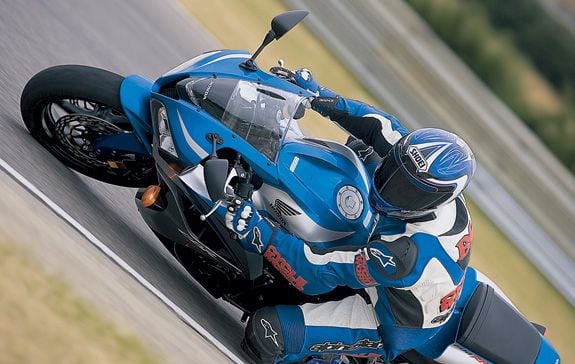
The 2007 middleweight segment remains etched in the annals of motorcycling history as a fierce battleground, exemplified by two titans of the category: the Honda CBR600RR and the Suzuki GSX-R600. This rivalry embodies more than mere horsepower and lap times; it encapsulates a passionate intrigue that riders and enthusiasts have long harbored toward the middleweight sportbike class. The perpetual fascination emanates from these machines’ delicate balancing act—melding agility with power, sophistication with rawness, and race-ready technology with streetable charm. Such dynamic interplay invites a deeper exploration into why the CBR600RR and GSX-R600 continue to captivate decades after their release.
At first glance, the comparison between the Honda CBR600RR and the Suzuki GSX-R600 sparks an immediate, almost instinctive, debate among aficionados. Both bikes stride prominently in the 600cc class, a segment notorious for its challenging engineering demands. The term “middleweight” belies the intense capabilities these motorcycles command—they are nimble enough to weave through traffic with ease yet potent enough to dominate racetracks. This dichotomy sets the stage for understanding why these two models, particularly from 2007, stand as paragons within a highly competitive arena.
The 2007 Honda CBR600RR represents a refined evolution of Honda’s relentless pursuit of precision engineering. Celebrated for its razor-sharp handling and impeccable chassis dynamics, the bike’s construction reflects a masterclass in balance and weight distribution. Its inline-four engine, supplemented by Honda’s renowned fuel management system, delivers a measured but potent acceleration curve. This blend evokes a riding experience that is both exhilarating and approachable—a hallmark of Honda’s philosophy to harmonize performance with rider confidence. The CBR600RR’s lightweight frame and advanced suspension components contribute to a chassis that invites aggression, yet it resists instability and unpredictability, demonstrating an engineering ethos steeped in control.
Contrastingly, the 2007 Suzuki GSX-R600 wears its sporting pedigree with an audacious flair. Known colloquially as the “Gixxer,” the GSX-R600 is emblematic of Suzuki’s spirited approach to middleweight performance. The engine delivers a gnarly midrange torque punch that often catches riders pleasantly off guard. Its throttle response is crisp and eager, encouraging spirited riding styles. Mechanically, the GSX-R600 embraces a slightly more aggressive setup in suspension and frame rigidity, catering to those who prioritize track performance and tactile feedback over absolute comfort. This disposition resonates deeply with riders who find exhilaration not merely in rapid straight-line speed but in the visceral dance of corner carving and immediate throttle modulation.
Beyond mechanistic spec sheets and performance graphs lies the subtler realm of emotional resonance. The interminable back-and-forth debate between CBR600RR and GSX-R600 champions is also a discourse on ethos and temperament. The CBR600RR’s understated elegance appeals to purists who cherish refinement and the art of subtle engineering genius. Meanwhile, the GSX-R600’s rebellious spirit seduces those who favor raw immediacy and the feel of a machine that demands respect and bold input. This polarity of character imbues the rivalry with a depth that transcends measurables—touching upon human psychology and the intrinsic values riders seek in their relationship with motorcycles.
Examining the ergonomic dimensions reveals further insight into the distinct identities of these two fighters. The Honda CBR600RR embraces a rider-centric cocoon, where comfort subtly intertwines with aggressive posture. Its seating position, while competitive, allows for extended rides without undue fatigue—a nod to balanced usability. Conversely, Suzuki’s GSX-R600 adopts a more crouched and purposeful stance, optimizing aerodynamics and control at high speeds, but demanding more physical commitment from the rider. This difference reveals an underlying narrative: The CBR aims to be a versatile companion, adaptable to both daily ride and track day, while the GSX-R caters predominantly to those who thrive on intensity and precision tuning.
Technological nuances also punctuate their rivalry. Honda’s continual updates to the CBR600RR’s electronics—although modest in 2007—hint at an engineering trajectory focused on subtle sophistication. Fuel injection calibrations, chassis tweaks, and suspension tuning all echo a philosophy of iteration and refinement. Suzuki, meanwhile, favored mechanical robustness and straightforward design principles that ensure reliability and ease of maintenance without sacrificing sportscar-like performance. These divergent approaches highlight different engineering cultures and rider priorities, both ultimately fostering enduring legends.
The 2007 season encapsulates a moment in time when these motorcycles crystallized the essence of middleweight sportbike innovation. It was a year underscored by the pursuit of the “best of both worlds”—seamless handling coupled with muscular acceleration, nimbleness with restraint. Understanding the appeal of these motorcycles requires acknowledging the broader cultural and psychological forces at play. Riding middleweight sportbikes often acts as a metaphor for balance in life: harnessing power with discipline, speed with awareness, and freedom with responsibility. The CBR600RR and GSX-R600 are not just machines; they symbolize this dynamic equilibrium, captured flawlessly within their meticulously crafted forms.
In retrospection, the allure of the 2007 Honda CBR600RR versus Suzuki GSX-R600 extends beyond raw specifications and performance accolades. It resonates in the shared human experience of seeking that perfect machine—one that reflects personal style, ambition, and temperament. These bikes embody a timeless dialogue between power and finesse, technology and soul. Their continued relevance and passionate discourse among enthusiasts reveal an undying fascination with what middleweight sportbikes represent. They challenge conventions, stimulate the senses, and invite riders into a symbiotic dance of man and machine, a dance that remains endlessly compelling.
Ultimately, the 2007 middleweight showdown between the CBR600RR and the GSX-R600 is emblematic of a broader allure—one that celebrates the synthesis of engineering excellence, rider connection, and emotional engagement. The enduring intrigue surrounding these motorcycles speaks volumes about the human desire to find harmony in motion. As machines, they are masterpieces; as icons, they are timeless embodiments of motorcycling’s allure.