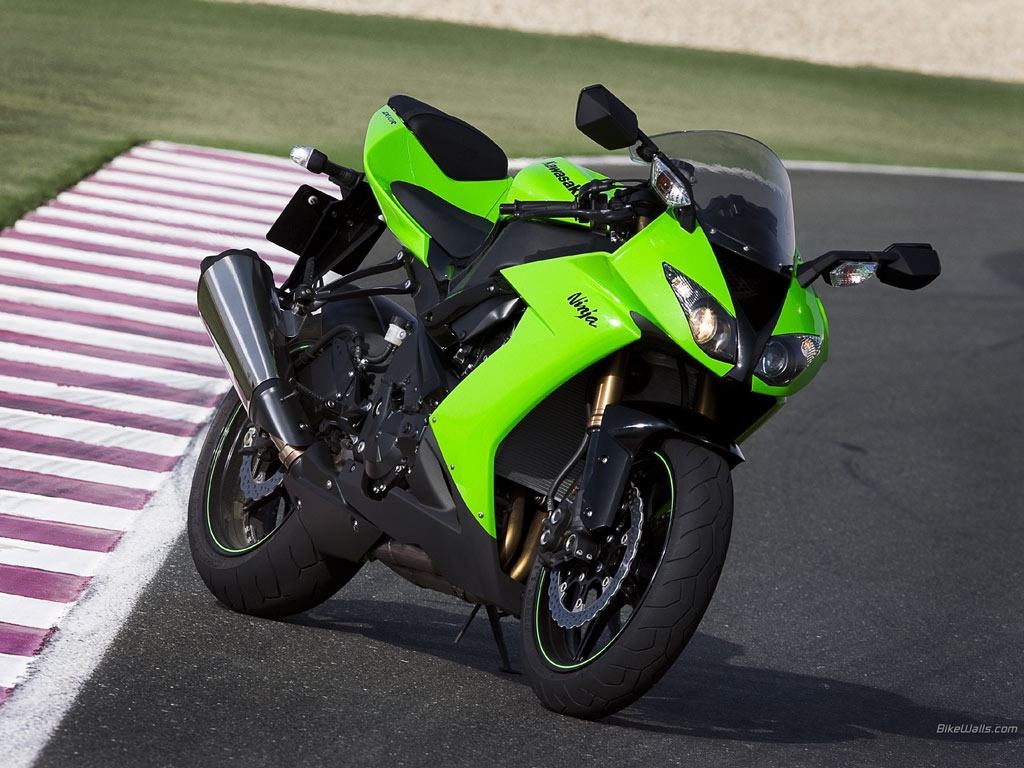
When the 2008 Kawasaki Ninja ZX-10R roared onto the scene, it was lauded as a formidable contender in the realm of superbikes—a machine teetering on the edge of mechanical perfection and raw adrenaline. But more than a decade and a half later, one must ask: does the 2008 ZX-10R retain its legendary top speed prowess, or has the relentless march of technology and audacity rendered it a mere shadow of its former glory? Does it still pose a challenge to the modern-day metal titans, or has it become a relic, a beast tamed by time?
The ZX-10R of 2008 strutted with Kawasaki’s unwavering commitment to power and agility. Underneath the sculpted fairings and the aggressive aesthetics lay a liquid-cooled, inline-four engine with a 998cc displacement—a heart capable of pushing boundaries. With a reputation built on a blend of raw output and razor-sharp handling, the bike was engineered for riders who crave both velocity and precision. Top speed wasn’t just a number; it was a declaration of Kawasaki’s engineering might.
The claimed top speed hovered around an exhilarating 188 miles per hour (approximately 302 kilometers per hour). To put that into perspective, surpassing the century mark—100 mph—with ease was a given, but approaching the 190 mph barrier was a testament to the bike’s aerodynamic finesse and the frenzy of its engine’s combustion symphony. The powertrain was a marvel, blending twin-cam technology with high-performance fuel injection, resulting in a bike that was agile yet ferocious.
But how does that figure stand up today, when the average superbike boasts technological wizardry that the 2008 model could only dream of? Modern iterations of the ZX-10R and competitors alike have embraced ride-by-wire throttles, traction control systems, variable valve timing, and electronic suspension. These innovations have fundamentally shifted the paradigm of power delivery and top-speed capability.
Yet, the 2008 ZX-10R boasts a kind of mechanical purity—a visceral connection between rider and machine. No electronic aids dilute the rawness of acceleration or the purity of throttle response. For enthusiasts, this translates into an experience that modern bikes, with their digital safeguards, sometimes sterilize. Therein lies a paradox: while technology advances the peak measurable top speed, the thrill and intimacy with the bike’s limits might be more palpable in the 2008 model.
Considering aftermarket enhancements and tuning culture also brings an intriguing dynamic to the discussion. Overclocking the 998cc engine or tweaking the aerodynamic profile can unlock latent velocity that Kawasaki engineers left simmering beneath the factory setup. Enthusiasts often install high-flow exhausts, re-map the ECU, or lighten the chassis components. These modifications blur the line between stock performance and the unleashed potential of a superbike that refuses to slow down with age.
But raw speed is only part of the narrative. The 2008 ZX-10R’s chassis and suspension were meticulously calibrated for aggressive cornering, a realm where top speed is momentarily sacrificed in favor of control and stability. A high top speed on a straightaway means little if the bike cannot bite into pavement corners with confidence. Its aluminum twin-spar frame and adjustable suspension offered a balance of rigidity and compliance, ensuring that thrill-seeking riders could exploit its capabilities on both open roads and closed circuits.
To further challenge the ZX-10R’s relevance in the top-speed arena, juxtapose it against modern superbikes that eclipse 200 mph with ease. Bikes like the 2024 Kawasaki Ninja ZX-10R or its sportbike rivals leverage aerodynamic enhancements alongside sophisticated electronics to push speed thresholds further. These machines rarely demand full immersion by the rider—the myriad safety nets and electronic intercessors soften the edge, creating a safer but arguably less raw experience.
So, does the 2008 Kawasaki ZX-10R still reign as a speed demon? Absolutely, but its status transcends mere numbers on a speedometer. It stands as a testament to an era where rider skill met unfiltered power. The thrill derived from its acceleration, the mechanical roar that emanates from its engine, and the precise feedback through its chassis render it a perennial beast worthy of respect. It challenges modern superbikes by offering a ride that demands respect and rewards mastery.
The question, then, is not just about top speed in isolation but about the holistic thrill of wielding such a machine. While it may not top the charts against contemporary monsters festooned with electronic gizmos, it poses an enduring challenge: can a rider match the audacity and finesse required to harness its full potential? In a world where technology often buffers us from the rawness of speed, the 2008 ZX-10R beckons the bravest to step up.
Ultimately, the 2008 Kawasaki Ninja ZX-10R remains a beast in its own right—a formidable blend of speed, skill, and spirit. It challenges riders to push past perceived limits, to flirt with danger, and to relish the pure, unadulterated essence of motorcycling. Its legacy endures, and as long as there are those willing to wrestle with its power, it will never truly be tamed.