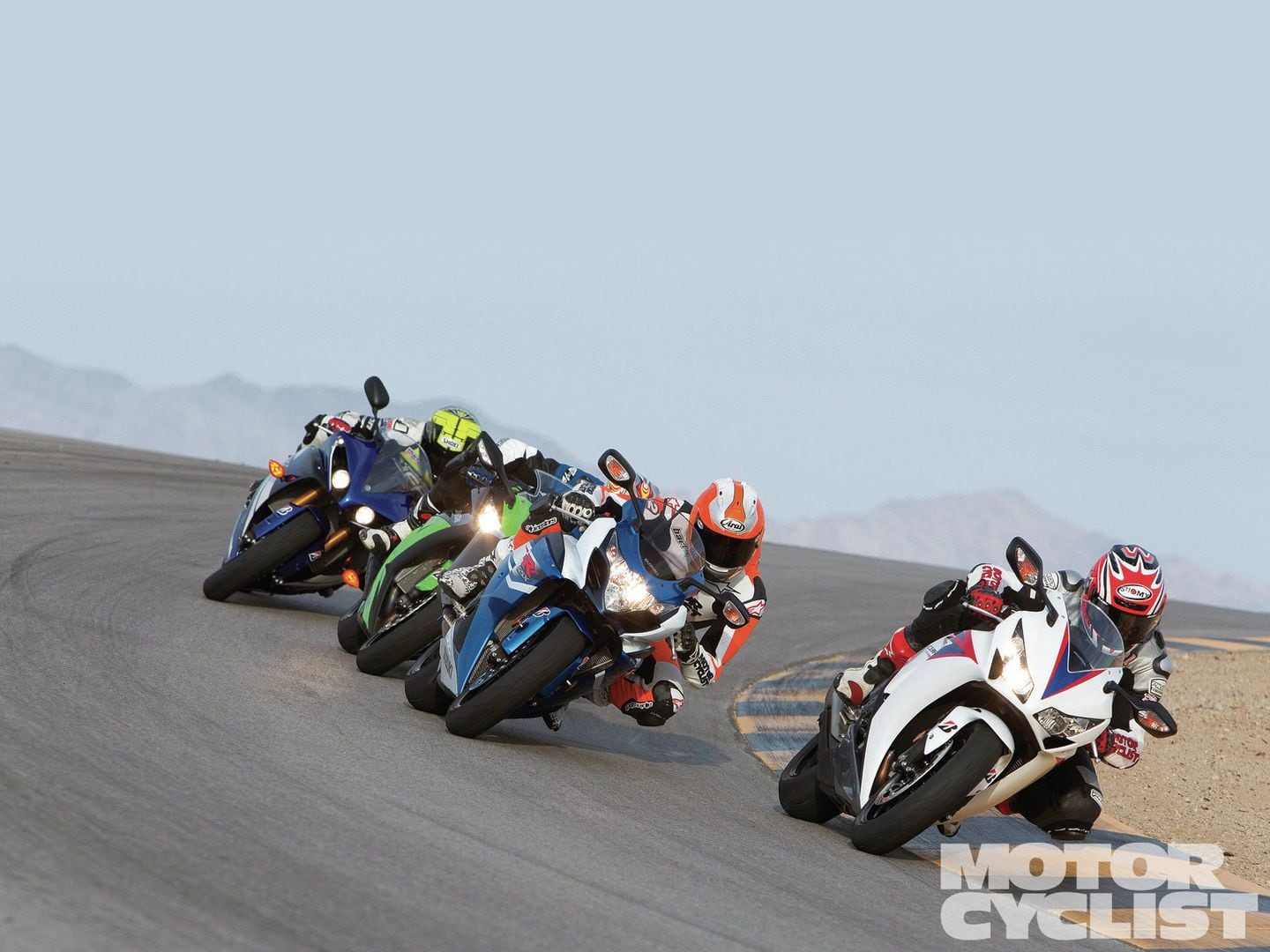
The 2007 Superbike War remains one of the most exhilarating chapters in the annals of motorcycle history. This fierce rivalry among the Suzuki GSX-R1000, Honda CBR1000RR, and Kawasaki Ninja ZX-10R epitomized the zenith of sportbike engineering, where innovation, raw power, and rider-centric design converged to captivate enthusiasts and ignite fierce debates. Delving into this iconic battle reveals a trove of insights—technical specifications, performance analyses, design philosophies, and the nuanced riding experiences that defined each machine. This comprehensive exploration illuminates the distinctive character and capabilities of these three legendary superbikes, offering readers a thorough understanding of what made 2007 a seminal year in the sportbike realm.
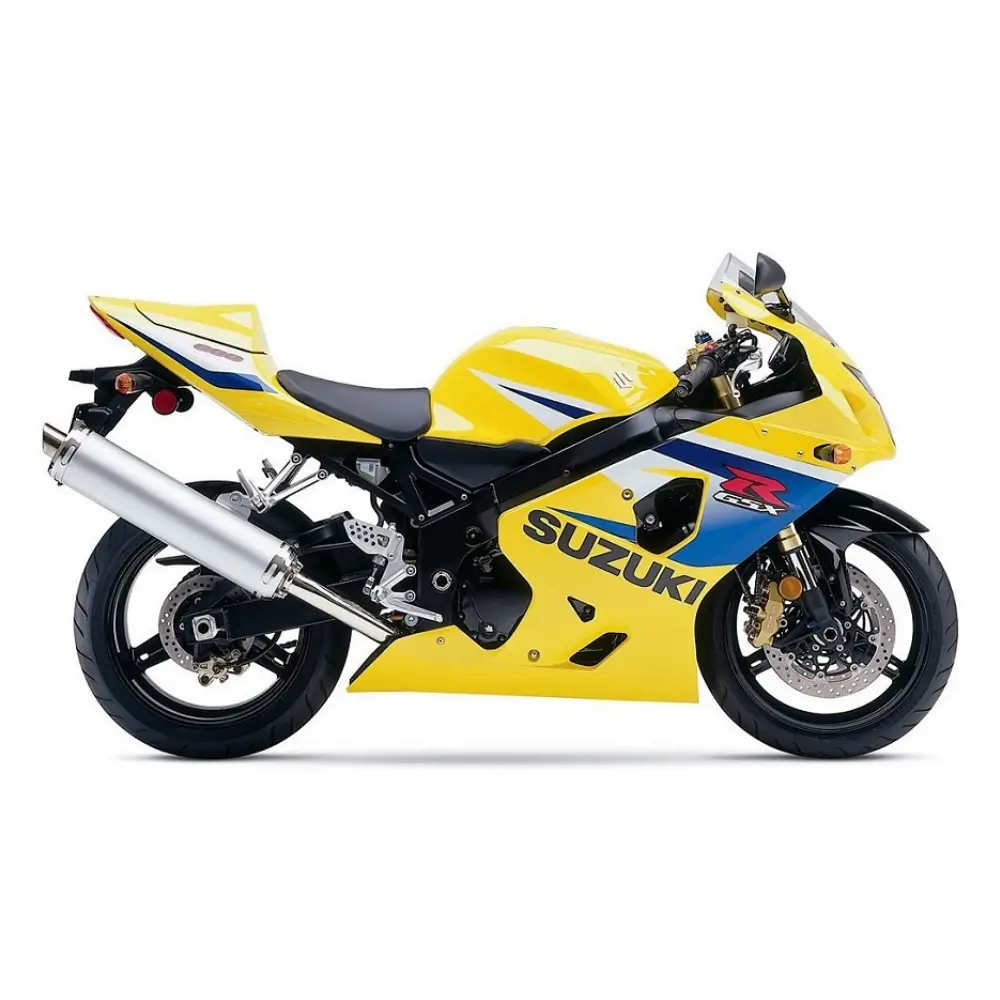
The Suzuki GSX-R1000 stood as a paragon of aggressive engineering and race-bred prowess. Lean yet muscular, it boasted a finely tuned 999cc, inline-four engine that churned out impressive horsepower with a crisp throttle response. Suzuki’s hallmark was their commitment to blending power with agility. The chassis was lightweight and rigid, evolving from their racing pedigree to ensure a razor-sharp cornering ability. Intricacies like the Showa BPF (Big Piston Fork) enhanced suspension performance, delivering unparalleled stability without sacrificing feedback. The GSX-R1000 was not merely about straight-line speed; it excelled in delivering a harmonious balance between nimbleness and brute force, appealing to riders who sought a thrilling, yet controllable, ride.
In contrast, the Honda CBR1000RR embodied a philosophy rooted in precision, reliability, and balanced performance. The 2007 iteration featured a potent 999cc engine that harnessed Honda’s stringent engineering standards. While the power output aligned closely with its competitors, the CBR’s true strength lay in its chassis refinement and electronic advancements. Honda’s Unit Pro-Link rear suspension improved traction and comfort, absorbing street imperfections without compromising sportbike dynamics. Additionally, Honda’s extensive research culminated in a remarkably ergonomic design, offering a commanding yet comfortable rider position that prized endurance alongside speed. Its smooth power delivery and confident handling made the CBR1000RR an exemplary choice for those valuing a blend of sportiness and everyday usability.
Kawasaki’s Ninja ZX-10R, a formidable contender, embraced an aggressive approach marked by bold styling and a fiercely tuned engine. With a 998cc inline-four engine pushing high revs and delivering punchy acceleration, the ZX-10R asserted itself as the rider’s weapon of choice for circuit domination. Highlights included the introduction of a new horizontal back-link rear suspension, which enhanced stability and ride comfort, particularly under heavy braking or during quick directional changes. The ZX-10R’s chassis geometry skews towards sharp handling, rewarding riders who preferred a more aggressive riding posture and an assertive cornering experience. Kawasaki’s engineering finesse extended to advanced braking systems and aerodynamic fairing designs, optimizing both stopping power and airflow management.
Beyond raw specifications, the 2007 Superbike War’s intrigue lies in subjective rider impressions. The GSX-R1000’s crisp throttle and light, flickable nature attracted riders who relished an agile, race-oriented feel, especially those transitioning from track-focused settings. Meanwhile, the CBR1000RR’s well-rounded, forgiving nature fostered confidence in novices and veterans alike, providing a blend of sportiness and comfort with superior build quality and longevity. The ZX-10R’s aggressive personality resonated with enthusiasts who demanded edge-of-the-envelope performance and were willing to engage with a bike that demanded skillful handling but rewarded with exhilaration.
Technology played a pivotal role in shaping each model’s competitive edge during this era. Electronic fuel injection systems were refined extensively across all three, ensuring precise fuel delivery for optimum power and efficiency. Chassis components were forged using lightweight alloys, pushing the boundaries of rigidity and weight distribution. Suspension technologies, such as inverted front forks and adjustable rear shocks, allowed riders to tailor the handling dynamics to their preferences and terrain. Braking systems also evolved, with radial-mounted calipers and improved disc designs enhancing stopping capabilities under intense conditions.
Design aesthetics of the 2007 models reflected not only function but also brand identity. Suzuki’s GSX-R1000 exhibited a sleek and purposeful silhouette, marked by sharp angular lines and a compact frame suggestive of its track-ready DNA. Honda’s CBR1000RR featured a more refined and aerodynamic profile, with smooth curves and balanced proportions that blended artistry and functionality. Kawasaki’s ZX-10R stood out with aggressive styling cues such as twin headlights and muscular bodywork, projecting an aura of relentless speed and power. These visual elements were not merely cosmetic but contributed to aerodynamic efficiency and heat dissipation, factors critically important at high speeds.
For enthusiasts and collectors today, the 2007 superbikes remain coveted for their blend of classic design and modern engineering. They represent a pivotal moment when manufacturers fiercely pushed technological limits without the extensive electronic rider aids that became prevalent later. The machines demanded rider skill and engagement, delivering pure, unfiltered sportbike experiences. Restoration and maintenance insights also form a vital part of the content surrounding these motorcycles, as their sophisticated but analog mechanical components encourage hands-on interaction and personalized tuning.
This comparative study endeavors to provide a multidimensional understanding of the 2007 Superbike War, appealing to diverse reader interests. Whether it’s the hardcore racer seeking in-depth technical specifications, the vintage enthusiast interested in design heritage, or the prospective buyer evaluating second-hand options, there is depth and detail to discover. Test ride reviews from the era offer firsthand accounts of handling, acceleration, braking, and ergonomics, often highlighting subtle nuances that numbers alone cannot convey. Additionally, expert analyses discuss modifications and aftermarket enhancements that further delineate each bike’s potential and versatility beyond factory stock configurations.
In summary, the 2007 Superbike War between the Suzuki GSX-R1000, Honda CBR1000RR, and Kawasaki Ninja ZX-10R stands as a testament to the fierce innovation and passionate engineering that define sportbike excellence. Each machine carved its distinct identity through a combination of unique powertrains, chassis technologies, and design philosophies, offering diverse interpretations of what a superbike could embody. The lasting legacy of this rivalry informs and inspires modern sportbike development, while continuing to captivate aficionados who appreciate the interplay of speed, agility, and rider engagement. Immersing oneself in the details of this triumvirate reveals the art and science behind a sport so many riders revere—a true war of the titans on two wheels.