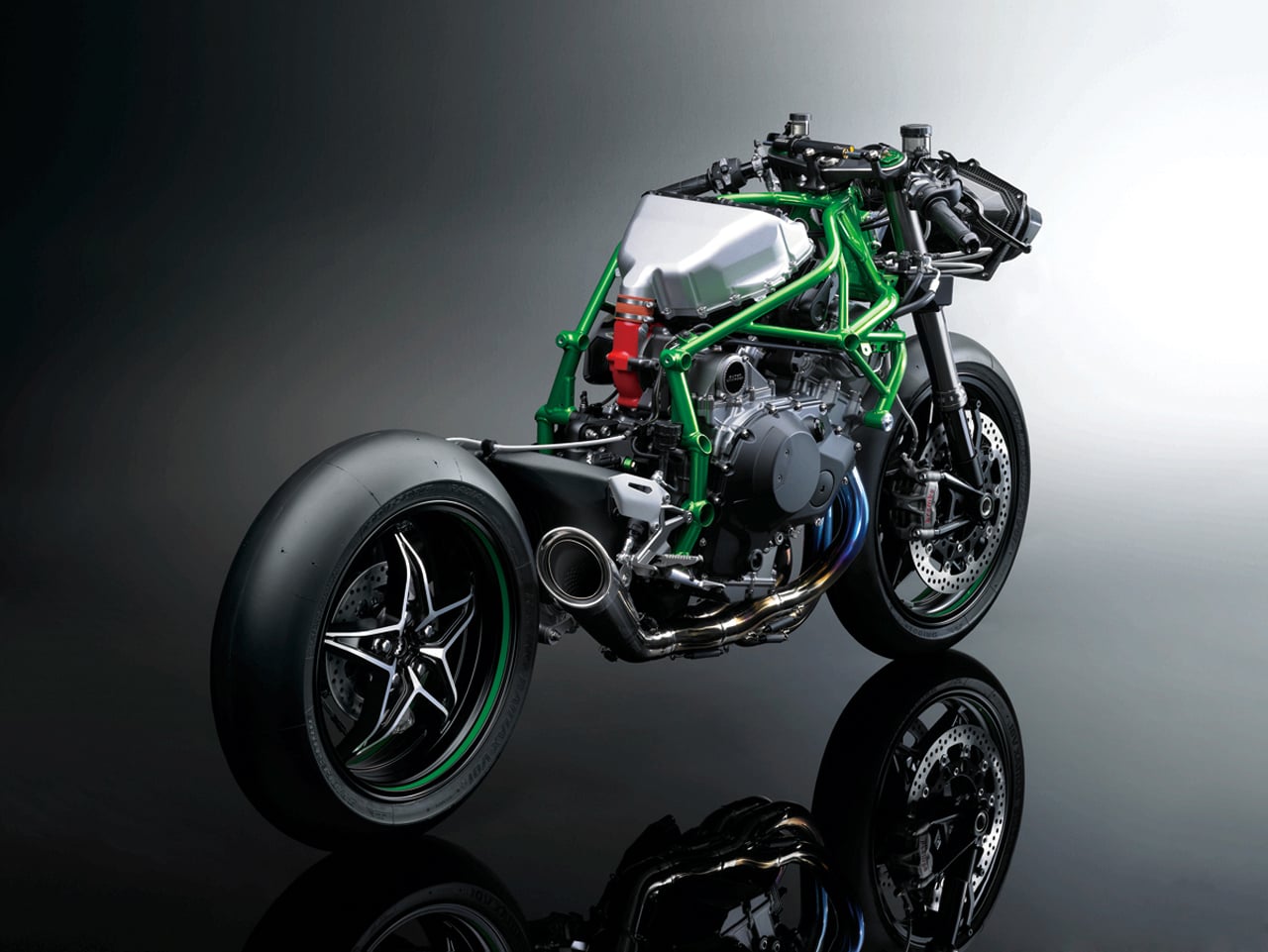
The 2007 Triumph Daytona 675 emerged as a formidable contender in the supersport motorcycle arena, redefining standards with its innovative engineering and audacious design philosophy. Heralded as a game-changer, this British masterpiece fused advanced technology, striking aesthetics, and raw power to captivate enthusiasts and industry experts alike. Its very introduction carved a niche that challenged the dominance of Japanese manufacturers, igniting fresh vigor in a segment long characterized by fierce competition and relentless innovation.
The Daytona 675’s inception marked a pivotal evolution from Triumph’s previous models, with the company opting to venture boldly into the middleweight category. At its core, the motorcycle boasted a groundbreaking 675cc inline three-cylinder engine. This unique powerplant configuration delivered a distinctive blend of midrange torque and high-revving horsepower, setting the bike apart from its four-cylinder rivals. The engine’s design was meticulous, with a DOHC, 12-valve setup that offered crisp throttle response and exhilarating acceleration, a true ambassador of British engineering prowess.
One of the definitive attractions of the 2007 Daytona 675 lay in its chassis and suspension architecture. Triumph employed a lightweight aluminum beam frame engineered for rigidity and precise handling, enabling riders to carve through corners with finesse. Complemented by high-performance Showa suspension components, including adjustable forks and a monoshock absorber, the motorcycle struck an impeccable balance between comfort and agility. This meticulous attention to the dynamics engendered a riding experience that was both engaging and confidence-inspiring, perfectly suited to the demands of spirited street riding and track excursions.

The braking system was equally sophisticated. Equipped with dual 320mm front discs and a single 220mm rear disc, complemented by Nissin calipers, the Daytona 675 offered exceptional stopping power and modulation. Such braking efficacy was pivotal in a supersport package where split-second reactions are requisite, enhancing rider safety without compromising performance. The integration of radial-mounted calipers further underscored Triumph’s commitment to engineering excellence.
Styling played an instrumental role in the Daytona’s appeal. The 2007 model exhibited an aggressive yet refined aesthetic, characterized by sharp lines, aerodynamic fairings, and a distinctive trio of exhaust outlets. The bodywork was meticulously sculpted not only to captivate visually but also to optimize airflow and reduce drag, reflecting a synergy between form and function. Eye-catching twin projector headlights and a minimalist tail section contributed to a sleek silhouette that resonated with modernity and sportiness.
Beyond the mechanical and visual, the ergonomics of the Daytona 675 encapsulated a deliberate compromise between track readiness and everyday usability. Forward-leaning handlebars, a slim fuel tank, and a contoured seat promoted rider engagement without excessively compromising comfort. This thoughtful design facilitated long rides and intense sessions alike, broadening the motorcycle’s appeal across a diverse spectrum of riders.
Delving into the digital recognition and reception following its release, the 2007 Triumph Daytona 675 garnered accolades for its innovation and performance. Industry critics lauded its distinctive engine character and nimble handling. Enthusiasts often praised the motorcycle’s intoxicating exhaust note and agile nature, qualities that transcended mere specifications to evoke a profound emotional connection between rider and machine. This intangible allure contributed to several awards and a dedicated cult following.
In terms of customization and rider engagement, the Daytona 675’s platform proved versatile and amenable to aftermarket enhancements. From performance exhausts and suspension upgrades to aesthetic modifications such as bespoke paint schemes, owners found myriad avenues to tailor the motorcycle to their specific preferences. This adaptability fueled a vibrant community, fostering a culture of innovation and personalization that extended the motorcycle’s legacy well beyond its initial production run.
Considering the technological context of 2007, the Daytona 675 stood at the vanguard of supersport innovation. While electronic rider aids remained relatively nascent, Triumph’s mechanical refinements and attention to detail established a benchmark for subsequent models. The motorcycle embodied the ethos of pure riding pleasure, eschewing excessive electronic intervention in favor of a more visceral connection between rider and machine—which, for many purists, constituted the quintessence of motorcycling.
Maintenance and reliability also factored into the Daytona 675’s standing. Triumph designed the engine and components with durability in mind, facilitating manageable upkeep for owners while maintaining performance. The availability of parts and service infrastructure further cemented the motorcycle’s practicality, circumventing common pitfalls that beleaguer some exotic supersport models. This blend of reliability and performance contributed markedly to the motorcycle’s enduring popularity.
For those intrigued by performance metrics, the 2007 Daytona 675 exhibited impressive statistics that contextualized its supremacy. It produced approximately 120 horsepower at 12,750 rpm and 50 lb-ft of torque at 11,750 rpm, propelling the bike to 0-60 mph times in the vicinity of 3.5 seconds. Such figures underscored its competitive edge, particularly considering its relatively lightweight chassis which tipped the scales at just under 400 pounds wet. The calculated exchange of power-to-weight ratio became a decisive factor in its handling prowess and acceleration capabilities.
The historical significance of the Daytona 675 cannot be overstated. It reinvigorated Triumph’s sporting heritage, laying the groundwork for successive models that expanded on its DNA. Featuring in numerous racing circuits and enthusiast events, the motorcycle bridged the gap between street-legal supersport and track-day contender, validating its versatility and performance aptitude. Its presence inspired renewed vigor among British manufacturers and invigorated competition within the global supersport market.
Moreover, the 2007 Daytona 675 highlighted Triumph’s strategic embrace of innovation without sacrificing identity. Unlike the prevalent trend toward four-cylinder dominance, Triumph’s choice of a triple-cylinder engine embodied a distinctive philosophy blending torquey midrange characteristics with high-rev thrills. This differentiation fostered an emotional resonance that deepened brand loyalty and enthusiast esteem, underpinning Triumph’s resurgence as a leader in the performance segment.
In summation, the 2007 Triumph Daytona 675 stands as a landmark in motorcycle history—a supersport game-changer whose influence still reverberates. It amalgamated exquisite engineering, compelling aesthetics, and dynamic prowess into a singular package that captivated riders worldwide. From its intricate mechanical design to its intuitive ergonomics, every facet communicated a passionate commitment to performance and rider engagement. As the motorcycle world continues to evolve, the Daytona 675 remains a testament to innovation that respects tradition while pioneering new frontiers.