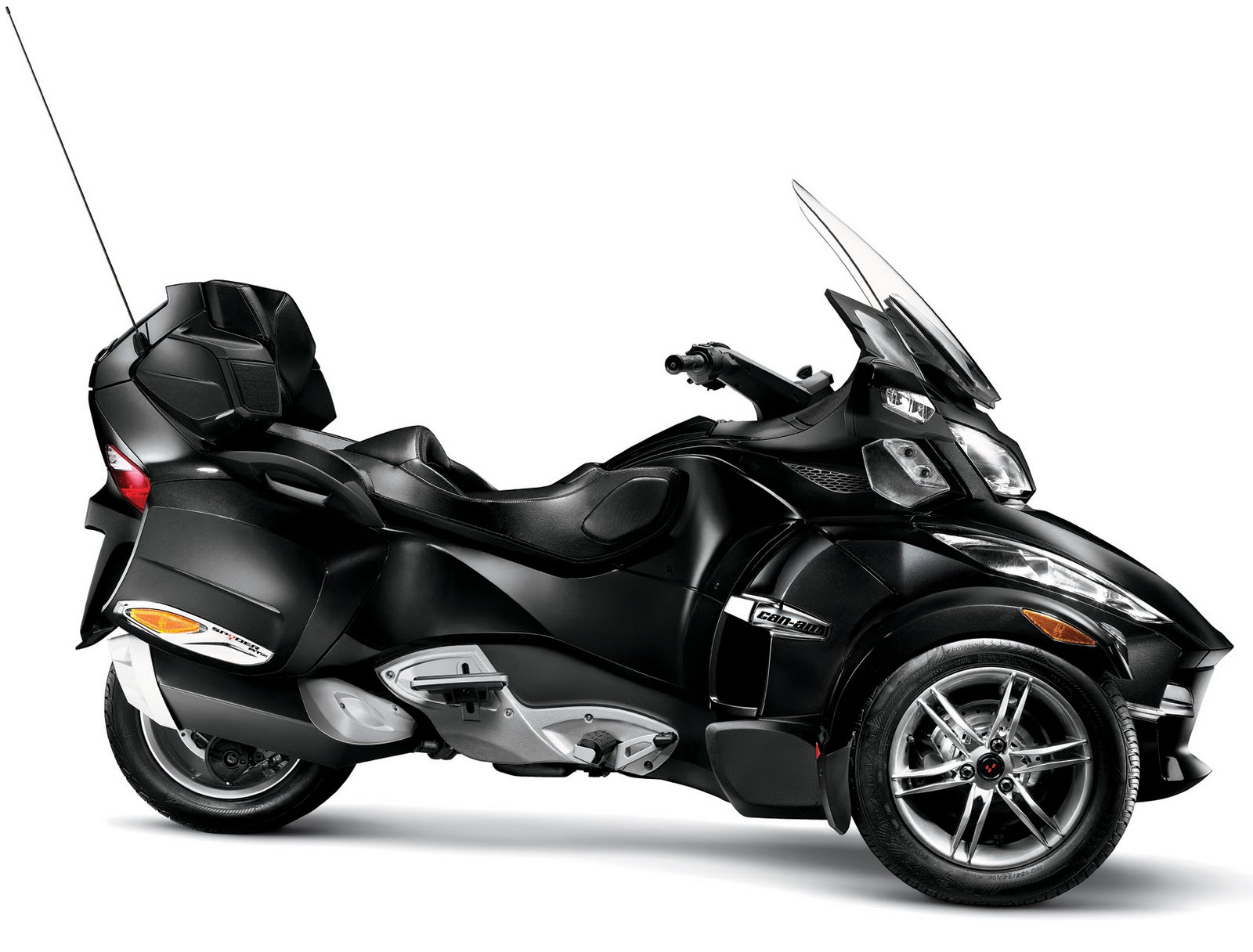
When it comes to three-wheeled motorcycles, the 2011 Can-Am Spyder line-up presents an intriguing array of choices that beckon enthusiasts to ponder: Which Spyder truly aligns with your riding aspirations—RS, RT, or RSS? This trifecta of models shares a common DNA yet diverges in mission, personality, and technological embellishments. Embarking on a comparative exploration offers not only clarity but also an appreciation for how these variants cater to diverse rider profiles, each posing unique challenges and rewards on the open road.
At first glance, the 2011 Can-Am Spyder RS exudes the aura of a sport-focused roadster, designed for the rider who craves agility wrapped in a lightweight chassis. With its aggressive stance, minimalistic fairing, and vibrant color options, the RS is the embodiment of dynamic handling and raw engagement. The underlying Rotax 998cc V-twin engine delivers a spirited performance, stimulating shifts and throttle responses suited for carving tight corners and urban maneuvering. The RS flaunts a limited but strategically applied bodywork that reduces weight and heightens exposure to the environment, offering those who favor a visceral riding experience a closer communion with the elements.
In stark contrast stands the RT model, fashioned to be a touring marvel. This variant introduces layers of sophistication through extensive bodywork, plush seating, and practical conveniences, thus transforming the Spyder into a grand cruiser worthy of long-haul escapades. The RT’s included amenities—ranging from a comprehensive storage system to an integrated audio setup and superior wind protection—reveal an intent centered on rider comfort and extended journey capabilities. Mechanically, it mirrors the RS’s engine specs but amplifies the experience with refined ergonomics and enhanced stability, delivering a relaxed yet assured ride. Thus, the RT positions itself as the quintessential tool for those who desire to devour miles with ease while basking in the trappings of luxury.
Now, the RSS emerges as an intriguing bridge between the RS and RT, fusing sportiness with certain touring attributes. It challenges the pigeonholing of the Spyder as simply sport or tour by merging the nimbleness and aesthetic appeal of the RS with subtle comfort enhancements borrowed from the RT. Visually, the RSS is characterized by partially enclosed fairings and upgraded suspension components, designed to elevate handling precision without compromising rider endurance. The RSS’s task is nuanced: to satiate riders who seek spirited outings but occasionally crave touring comforts—a balancing act that demands versatility and adaptability.
But beyond appearance and feature sets, what truly differentiates these models? The answer lies within their respective chassis configurations and suspension tuning. The RS benefits from a firmer suspension setup and a lighter frame that invites aggressive lean angles, encouraging spirited cornering. Conversely, the RT’s suspension is more compliant, calibrated for comfort over extended distances rather than razor-sharp agility. The RSS, positioned between these two, offers a progressive suspension that combines responsiveness with absorption, adapting proficiently to varied terrains and riding styles. This gradation in suspension craftsmanship ensures that each Spyder fulfills a distinct niche, answering a particular question about rider intent and environmental demands.
Technological interventions also play a pivotal role in delineating these Spyders’ character. All three come equipped with the proprietary stability control system and anti-lock brakes, vital for a three-wheel format’s safety. However, the RT often steps ahead with additional electronic conveniences such as cruise control, a semi-automatic transmission option, and enhanced infotainment interfaces, boosting rider engagement while reducing fatigue. The RS and RSS, while equipped with robust mechanical grip and controls, focus more on empowering the rider’s skill and connection with the machine.
Ergonomics across the triad are subtly sculpted to their distinct purposes. The RS features sport-style clip-on handlebars and rear-set foot pegs, optimizing an aggressive posture. The RT contrasts with more upright handlebars, a plush seat, and forward-mounted footboards, inviting relaxed positioning and longer comfort. The RSS’s cockpit presents a harmonized compromise—a slightly forward-leaning stance that remains accommodating over distances yet encourages spirited control.
Fuel capacity and range considerations further reinforce their multipurpose nature. The RT boasts the largest fuel tank, accommodating the needs of extended touring, while the RS and RSS maintain slightly smaller capacities favoring lightness and performance. This variance elucidates an underlying dialogue between freedom and practicality that each model negotiates differently. Riders must deliberate: Do they prioritize uninterrupted journeys or spirited, shorter rides where weight savings translate into nimbleness?
Accessibility and customization options add another layer to this triadic symphony. The RS, due to its sport-oriented design, invites aftermarket tuning and personalization aimed at maximizing performance or aesthetics. The RT, with its touring equipment, offers modularity that focuses more on convenience and comfort upgrades. The RSS occupies an intermediate position, offering some customization avenues without compromising its balanced essence. This dynamic cultivates a personal connection between the Spyder and its rider, tailoring the machine’s purpose and personality as a direct extension of individual preference.
Summing up, choosing between the 2011 Can-Am Spyder RS, RT, and RSS can feel akin to solving a playful riddle: Are you a thrill seeker craving sharp turns and adrenaline bursts? Or a contemplative voyager yearning for horizon-spanning escapades with creature comforts? Maybe you desire an enigmatic hybrid experience that defies conventional labels. Each Spyder variant articulates a distinct answer, using design language and engineering nuance that capture different facets of motorcycling artistry.
Ultimately, the 2011 Can-Am Spyder triad challenges riders to self-reflect on what they value most in their two-and-a-half-wheel experience. Whether it is the spirited, almost flirtatious RS, the comfort-wrapped, indulgent RT, or the balanced, multifaceted RSS, each promises an invitation to reinvent how the open road is traveled. The real challenge lies in choosing which expression of freedom best resonates with your riding ethos, for once astride, the road will reveal itself in myriad new and exhilarating ways.