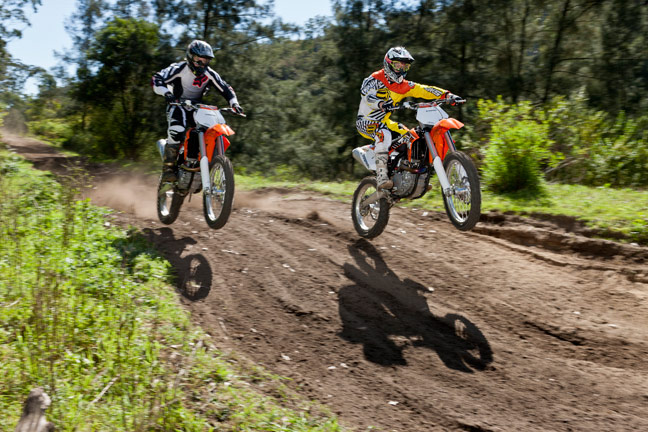
The 2012 KTM 350 SX-F and 450 SX-F have long been titans within the motocross realm, each with their own legion of dedicated followers. Yet, when these two powerhouses go head-to-head, the question lingers: which one truly reigns supreme? Both machines boast cutting-edge technology, refined engineering, and the KTM pedigree that racers cherish. Delving beyond the surface, this comparison promises to unveil the nuanced intricacies that define each bike, challenging preconceived notions and stirring a deeper curiosity about which model ultimately takes the crown.
The 2012 KTM 350 SX-F emerges as a masterstroke of versatility. Boasting a 349cc four-stroke single-cylinder engine, it sits in a unique middle ground between the nimble 250s and the formidable 450s. This displacement offers a near-perfect equilibrium of power and control, carving out an ideal niche for riders seeking explosive throttle response without the overwhelming torque that sometimes hampers precision. Its 58 horsepower output may seem modest against the 450 SX-F’s more robust figures, but this bike’s sweet spot lies in its rideability and adaptability across varied terrain.
Conversely, the 2012 KTM 450 SX-F commands attention with its 449cc mill, exuding raw power and relentless torque. Delivering upwards of 63 horsepower, the 450 SX-F is a veritable beast on the track, especially favored in disciplines demanding potent acceleration and top-end grunt. Its robust torque curve pulls riders out of corners with authority, allowing for aggressive lines and punchy overtakes. However, this power comes with the requisite skill to manage its sometimes unpredictable surge, requiring riders to master finesse alongside strength.
Scrutinizing the chassis and suspension reveals subtle yet significant distinctions. Both motorcycles share KTM’s signature lightweight chromium-molybdenum steel frames, engineered for rigidity and feedback. Yet, the 350 SX-F’s slightly reduced weight—hovering around 226 pounds dry—contributes to an almost imperceptible edge in maneuverability. This tangible lightness translates into quicker directional changes, a crucial attribute in technical tracks layered with tight corners and challenging rhythm sections.
Suspension components on both models stand at the vanguard of motocross technology, featuring WP XPLOR forks and rear shocks calibrated to absorb brutal landings and aggressive impacts. However, the 450 SX-F’s suspension tuning skews marginally toward accommodating heavier loads and higher speeds, providing enhanced stability on wide-open straights and monstrous jumps. In contrast, the 350’s setup prioritizes nimbleness and agility, enticing riders who revel in dexterity rather than brute force.
Ergonomics also play a pivotal role in shaping rider experience. The 350 SX-F boasts a compact frame profile, positioning the rider squarely over the machine’s center of gravity. This balance fosters intuition and facilitates easier handling during flicks and rapid transitions. Meanwhile, the 450 SX-F, given its size and engine heft, encourages a more anchored riding posture, geared toward harnessing its explosive power with maximum efficiency. These differences subtly inform rider preferences, influencing who gravitates toward each model depending on style and skill level.
One cannot overlook the electronic aids embedded within the 2012 KTM machines. Though simple by modern standards, the 350 SX-F and 450 SX-F were among the earlier adopters of ride-by-wire throttle systems, imparting smoother power delivery and improved throttle response. This technology also facilitates traction control adaptations, though both bikes maintain a pure motocross ethos, resisting overreliance on electronics. The rider remains paramount, with the bike serving as a seamless extension of intent rather than a band-aid for errors.
Performance metrics extend beyond numbers into the realm of real-world application. The 350 SX-F thrives when conditions necessitate finesse—tight, twisty tracks where quick reflexes and a light touch determine lap times. Its torque delivery is linear and predictable, reducing rider fatigue and enhancing consistency over race duration. Riders value this trait highly during endurance events and technical sections where smoothness outweighs raw speed.
In stark contrast, the 450 SX-F shines on tracks demanding outright speed and power. Long straights, expansive whoops, and large jumps become an arena where the 450’s horsepower advantage manifests palpably. Yet it demands a proficient pilot, capable of modulating throttle inputs and absorbing its power impulsiveness. When tamed, the 450 SX-F delivers an exhilarating surge, catapulting the rider into a league of elevated performance.
Maintenance and reliability are equally important, especially for those intending to push their machines through rigorous competition. KTM’s engineering rigor is evident across both models, and proper upkeep guarantees longevity. The 350’s smaller engine theoretically requires less strain during operation, potentially leading to fewer rebuilds or mechanical stress. Conversely, the 450’s larger displacement necessitates meticulous attention to prevent premature wear, particularly given the high RPMs typical in motocross scenarios.
The question ultimately distills to personal preference fused with riding context. The 350 SX-F beckons to those craving a harmonious blend of power, handling, and endurance—a bike that rewards smoothness without compromising excitement. The 450 SX-F appeals to fearless riders who hunger for commanding presence and top-tier speed, demanding respect through mastery and unwavering control.
In envisioning the future of motocross, the dichotomy between these two KTM stalwarts underscores a broader dialogue about balancing power versus precision. The 2012 KTM 350 SX-F and 450 SX-F both occupy distinguished statuses, each redefining performance from unique vantage points. Rather than a straightforward winner, they represent divergent philosophies—one of balanced finesse, the other of unrelenting power.
For riders navigating this choice, an exploration of intrinsic values—riding style, track preferences, and skill level—becomes paramount. This journey enriches the motocross experience, transforming the question from “Which one wins?” into a more profound contemplation of how each machine amplifies a rider’s connection to the sport. The answer lies not merely in statistics, but in the intangible essence of what makes riding resonant and exhilarating.