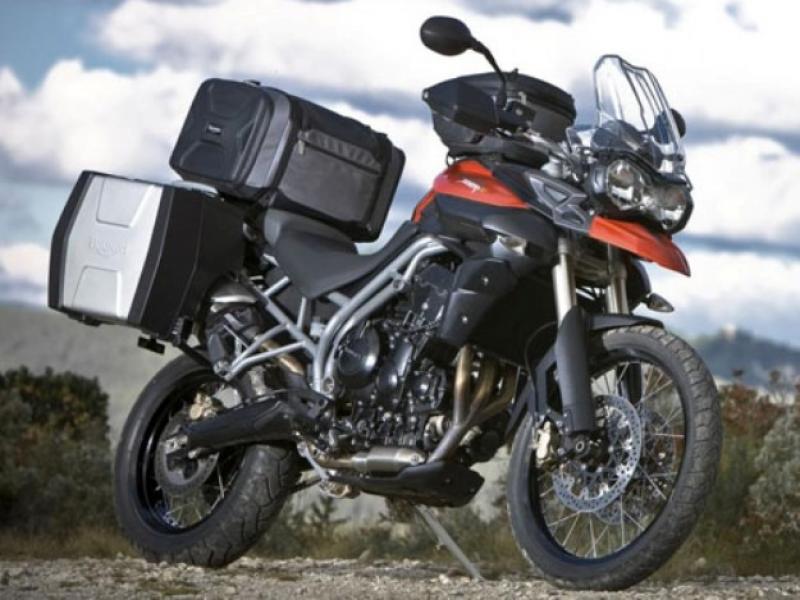
In the realm of adventure motorcycling, where the journey is as vital as the destination, the 2012 Triumph Tiger 800 and its more rugged sibling, the Tiger 800 XC, stand as twin sentinels of escapade. Both these models encapsulate the spirit of exploration, yet they do so through distinctly individualized lenses, weaving together mechanical prowess and a promise of untamed terrain conquests. This battle of the 2012 Triumph Tiger 800 versus the Tiger 800 XC reveals not just a face-off of specifications but a narrative that speaks to the soul of the adventurer within us all.
The 2012 Triumph Tiger 800 is the embodiment of versatility—a motorcycling chameleon crafted to seamlessly transition from urban asphalt to modest off-road adventures. Its 799cc, liquid-cooled, inline three-cylinder engine delivers a symphony of smooth power, blending torquey low-end performance with a spirited mid-range surge. This engine performs like a seasoned raconteur, effortlessly narrating a story that is both exhilarating and accessible. At the heart of its appeal lies a chassis designed for balance, with a steel trellis frame offering rigidity without sacrificing rider confidence. The Tiger 800’s suspension—a telescopic 45mm fork up front and a preload-adjustable monoshock—strikes a fine chord between comfort and agility, making it a master of its domain whether cruising city streets or meandering through winding backroads.
However, the tale deepens with the Tiger 800 XC, a feral variant sculpted for the intrepid traveler who craves the untouched path, the road less traveled. The suffix “XC” is more than a mere badge; it signifies a deliberate evolution towards off-road dominance. This machine boasts longer travel suspension—a 45mm fork with 41.3 inches of travel coupled with a rear shock possessing an extended stroke to gobble up rough terrain with ease. The ground clearance of the XC model is noticeably increased, a subtle yet vital adaptation that allows riders to dance over rock gardens and rutted trails without hesitation or damage.

The 800 XC’s spoked wheels, fitted with knobby tires, symbolize its commitment to dirt-slinging escapades where traction is paramount. Here, technology steps up to the plate; the switchable ABS system and traction control can be finely tuned or deactivated, granting the rider an intimate communion with the raw feedback of the machine. Every twist of the throttle in this version feels like unlocking a secret passage into wilderness realms, where the motorcycle becomes an extension of your will, responsive and resolute.
Ergonomics also delineate the two siblings in remarkable ways. The Tiger 800 sports a comfortable seat height around 32.9 inches, making it accessible and manageable, even for riders who prefer a more grounded experience. In contrast, the XC’s seat is perched higher—approximately 33.5 inches—to accommodate the increased suspension travel and to enhance visibility over rough terrain. This elevated stance injects a palpable sense of command, as if the rider is perched atop a conquering beast, surveying the wild canvas ahead. The handlebars and footpeg positions in the XC also shift ever so slightly, promoting a more aggressive, forward-leaning posture that benefits control during technical maneuvers.
When comparing features, the 2012 Tiger 800 lineup reveals a thoughtful balance between technology and rugged simplicity. Both models come equipped with a comprehensive instrument cluster offering trip computers, gear indicators, and fuel range estimations, while the charismatic triple engine hums with a character all its own. Yet, it’s the subtle distinctions—like the larger fuel tank on the XC version, designed for extended journeys through remote corridors—that weave the differing narratives. The 800 XC is a storyteller of long-haul adventures, whereas the base Tiger 800 reads more like a versatile novella, able to adapt to changing chapters with ease.
On the road, the Tiger 800’s demeanor is urbane and composed. It navigates traffic with the finesse of a ballet dancer, yet when the road narrows and winds, it shifts into a spirited performer, eager to exploit every curve with precision. The XC, meanwhile, reveals its teeth when the pavement dissolves into loose gravel or dirt. It is in this element that the XC spins a thrilling yarn of resilience and unyielding capability. The stiffer suspension, rugged tires, and higher clearance translate into a machine that does not intimidate but rather invites the rider into a dance with the wilderness itself.
Such superiority in off-road capability, however, does not come without trade-offs. The XC’s higher center of gravity and increased weight can make it slightly more challenging to tame in tight urban scenarios or slow-speed maneuvers. The base Tiger 800 thus claims an advantage in everyday usability, a perfect companion for riders who seek adventure yet demand versatility. The XC, conversely, calls to the purists and the escapists—those who prioritize untethered exploration above all else.
In terms of aesthetics, both bikes exude a rugged elegance, but the XC’s design is accentuated by features that hint at its off-road pedigree: the higher front mudguard, the protective bash plates, and the aggressive tire tread pattern create a visual statement that resonates with adventure. The base Tiger 800, while no less striking, opts for cleaner lines that blend urban sophistication with adventure-readiness.
Choosing between these two is akin to selecting a pen—will it craft prose in the comfort of a parlor or write epic saga beneath starlit skies? The 2012 Triumph Tiger 800 offers an all-round experience, balancing power, comfort, and versatility for the rider whose adventures vary as much as their moods. The XC variant breaks free from constraints, embracing the raw ethos of exploration with mechanical enhancements that promise to tame even the most daunting of trails.
In the grand tapestry of adventure motorcycles, the 2012 Triumph Tiger 800 and Tiger 800 XC represent divergent paths yet equally compelling narratives. Each is a thoroughbred in its own right, commanding respect and admiration. Together, they highlight the multifaceted nature of adventure riding—the juxtaposition of comfort and challenge, predictability and the wild unknown. They remind us that true adventure is not a singular destination but an ever-evolving journey, defined not just by the machine beneath us, but by the spirit that drives us forward.