Emerging from the bustling motorcycle scene of the early 1990s, the 1993–1995 Yamaha Virago 535 and 750 models carved a niche that continues to captivate enthusiasts and beginners alike. These cruisers, with their distinctive blend of style, accessibility, and robust engineering, promise a compelling shift in perspective for those accustomed to either bulky heavyweight cruisers or nimble sportbikes. What makes these Viragos more than just entry-level motorcycles? What latent charisma do they harbor that piques curiosity and invites a deeper appreciation?
At first glance, the Virago 535 and 750 embody the quintessential cruiser silhouette with flowing lines, a low-slung frame, and a pronounced V-twin engine that commands attention without overwhelming the rider. They straddle a delicate balance between aggressive muscle and refined elegance, striking a tone that resonates especially well with neophytes—newcomers embarking on their motorcycling journey. The Virago 535 cc and its larger sibling, the 750 cc, by design, avoid the intimidation factor often associated with larger displacement cruisers while still providing enough power to instill confidence and excitement.
Yamaha’s introduction of the Virago line was more than a simple exercise in aesthetics and displacement choices—it was a thoughtful attempt to democratize the cruiser experience. The 535, in particular, emerged as a beacon for beginners who desired the cruiser lifestyle without sacrificing manageable handling or throttle response. The relatively modest engine size means less weight to control and a more predictable power delivery, which naturally eases the learning curve. However, don’t be fooled by its seemingly gentle nature; beneath its polished exterior lies an engine and chassis capable of spirited rides and long-distance comfort.
The Virago 750, by contrast, caters to those who crave a bit more grunt without fleeing from the approachable character of the 535. Its slightly larger displacement translates into amplified torque and acceleration, enabling riders to navigate urban environments and highway stretches with amplified ease. It’s a motorcycle that whispers promises of weekend escapades and spontaneous roadside stops — an invitation to explore new horizons while comfortably seated on a plush saddle that invites hours of wear without fatigue.
One cannot discuss these motorcycles without acknowledging Yamaha’s pioneering use of a V-twin engine layout in compact cruisers. The characteristic rumble of the Virago’s 60-degree V-twin is not merely noise; it is the musical signature that enhances the sensory connection between rider and machine. This engine configuration not only enhances the cruiser’s aesthetic appeal but also affects vibration patterns and overall balance, contributing to a controlled yet dynamic ride. The air-cooled powerplants showcased reliability and mechanical simplicity, easing maintenance without skimping on durability.
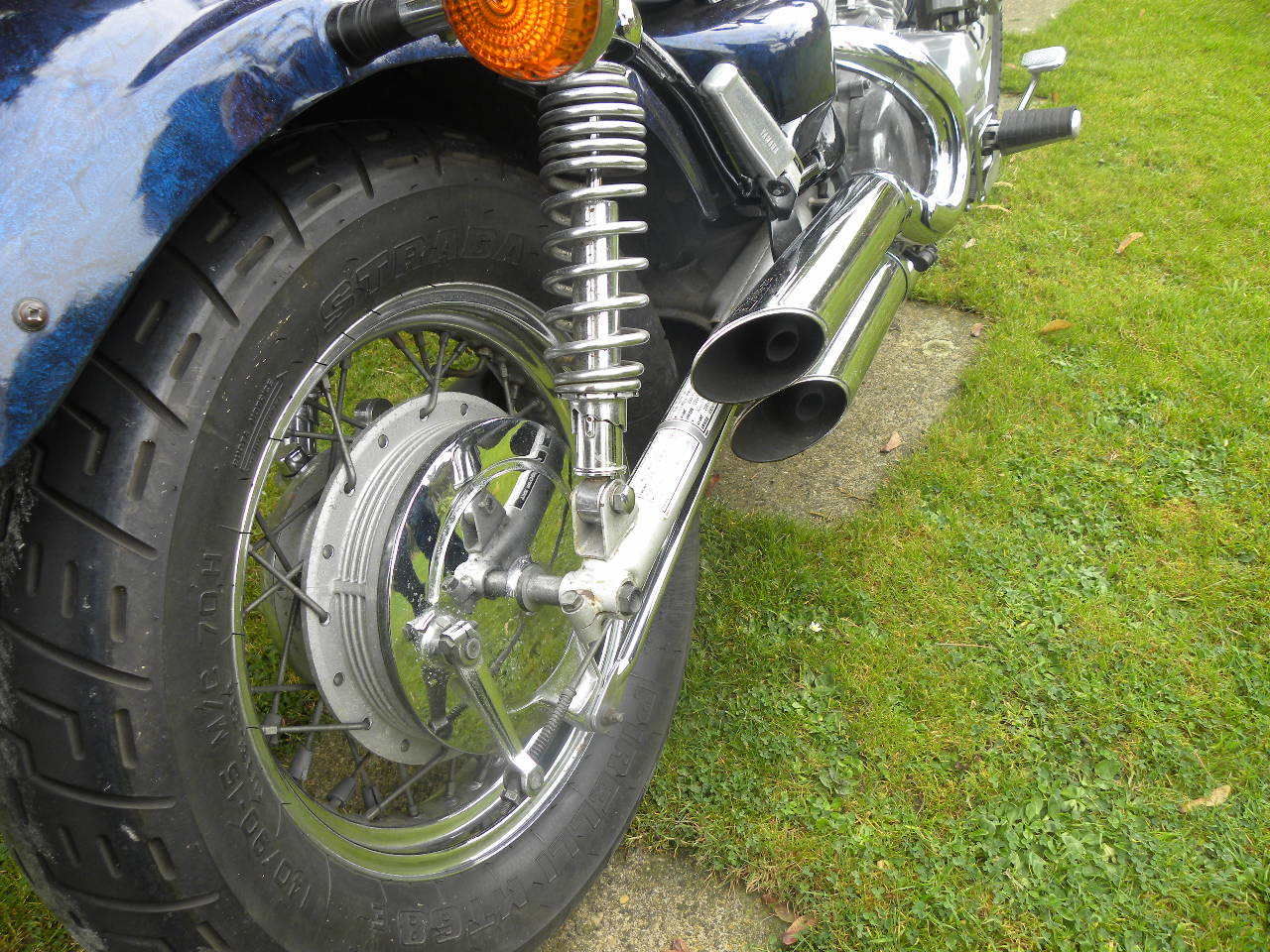
Delving deeper into the engineering facets reveals innovations that aided the Virago’s reputation as a durable and user-friendly motorcycle. For instance, the integration of a shaft drive system stood out as a feature not often found at this displacement and price point during that era. Shaft drives generally require less maintenance compared to chain drives, offering less mess and consistent power transfer. Riders transitioning from mopeds or dirt bikes often found this amenity an attractive draw, reducing the technical overwhelm often associated with motorcycle upkeep.
The chassis design of both 535 and 750 Viragos blends traditional cruiser geometry with modern engineering sensibilities. A low seat height—typically hovering around 27 inches—welcomes riders of various statures, reducing the fear of balancing a heavy bike, especially at stops. The frame’s relaxed rake and trail measurements foster stable cruising at low speeds while maintaining nimbleness in corners. Suspension components, though uncomplicated with conventional telescopic forks up front and twin shocks at the rear, deliver enough comfort to absorb subtle road irregularities without sacrificing feedback. This thoughtful configuration underscores Yamaha’s intention to invite, rather than deter, those unfamiliar with the challenges of motorcycle dynamics.
Design aesthetics from the 1993 to 1995 Virago models carry an understated yet alluring charm. The teardrop fuel tank, chrome finishes, and flowing fenders pay homage to classic American cruiser templates while incorporating Japanese reliability and finish quality. These elements create an evocative silhouette on the road — a motorcycle that commands presence without resorting to flashy excess. The Virago’s ergonomics further reinforce this. Moderate forward foot controls combined with swept-back handlebars position the rider comfortably upright, mitigating fatigue during extended rides and lending a confident composure whether coasting down city streets or cruising highways.
However, the Virago lineage from these years holds an allure that extends beyond mechanical prowess and visual appeal. It represents a gateway to motorcycling culture—a tactile and emotional transition for many riders. With manageable power delivery, accessible design, and iconic styling, these models encouraged a more diverse set of riders to embrace the cruiser ethos. The motorcycles symbolize an open invitation: to slow down, savor the ride, and appreciate the nuanced senses stimulated by two-wheeled freedom.
For seasoned riders, the 535 and 750 Viragos often serve as perfect “around-town” bikes or economical companions to larger motorcycles in their stable. Their ease of handling makes them ideal for commuting, casual rides, and the occasional spirited twist of the throttle. The thoughtful balance in size and power explains why these models are often praised in vintage circles and continue to feature prominently in discussions about beginner-friendly cruisers. Enthusiasts relay tales of their Viragos holding tight through years of spirited use, the engines and frames standing as testaments to Yamaha’s commitment to quality.
In a landscape increasingly dominated by heavier bagger cruisers, supersport machines, and complex electronics, the 1993–1995 Yamaha Virago 535 and 750 models offer an almost nostalgic contrast. They remind riders that pure motorcycling pleasure doesn’t always hinge on exorbitant power or excessive technological intervention. Instead, exhilarating experiences can lie in the harmonious convergence of accessible mechanics, iconic style, and a ride that invites exploration without intimidation.
Ultimately, these Viragos incite curiosity not merely by their technical specifications but through the promise of transformation—a shift in perspective for those new to cruising. They challenge conventional notions that a beginner bike must be bland or underpowered. Instead, they stand as evidence that the right combination of design, engineering, and character can foster confidence, passion, and a lifelong affinity for the open road.