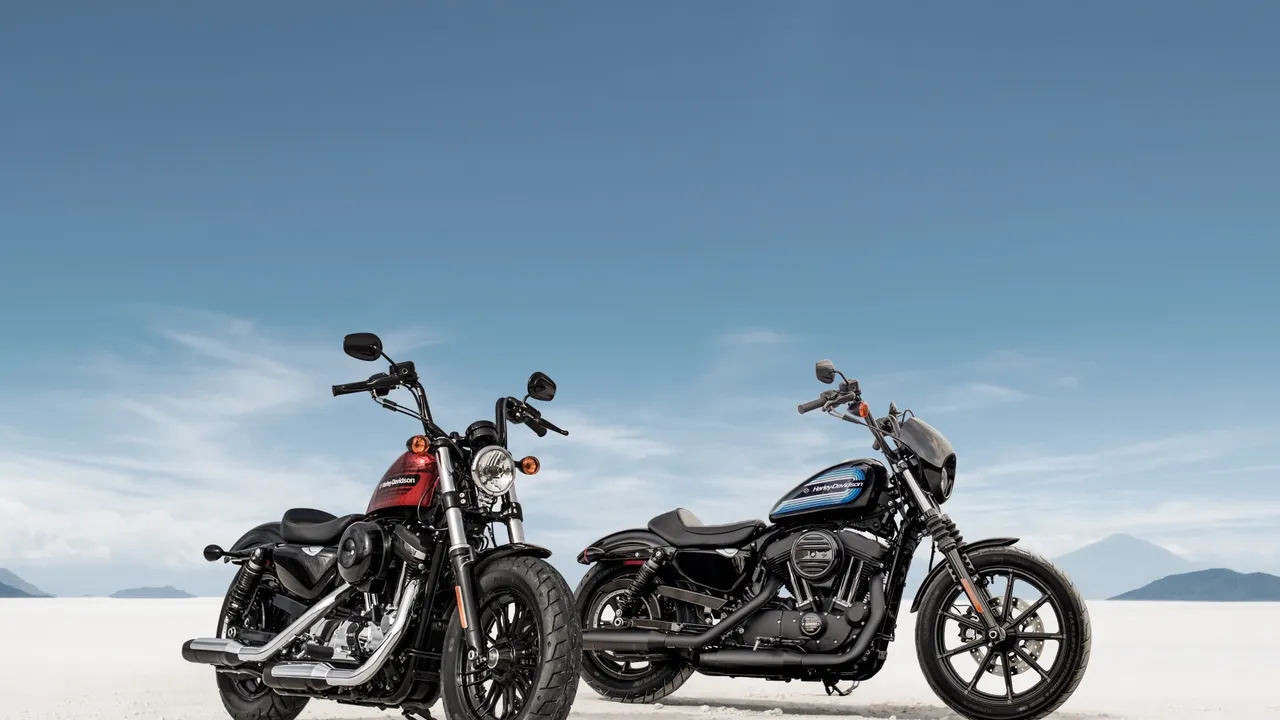
The 1996 Harley-Davidson Sportster lineup represents an iconic chapter in motorcycling history, especially when pinpointing the subtle yet significant differences between the 883 and 1200 models. Both bikes share a storied lineage and evoke the signature Harley rumble, but they cater to distinct rider preferences and expectations. Delving into these two machines offers an insightful exploration of their engineering nuances, performance metrics, build quality, and overall value proposition. This article meticulously dissects the 1996 Harley Sportster 883 and 1200 variants, assisting enthusiasts and potential buyers in discerning which bike might truly offer the best bang for their buck.
At first glance, the Sportster 883 and 1200 demonstrate a familial resemblance: both exude classic Harley aesthetic cues—teardrop fuel tanks, peanut fenders, and minimalist frames built to celebrate the raw motorcycling experience. However, beneath this shared facade lies a mechanical diversity that drastically alters ride dynamics. The 883 model boasts an 883cc Evolution V-twin engine, a hallmark in Harley lore for its reliability and modest torque curve. Meanwhile, the 1200 is equipped with a larger 1200cc Evolution V-twin, designed to deliver an amplified roar and a noticeable surge in power. Understanding these distinctions extends beyond mere cubic centimeters; it shapes how each machine behaves on the road and what kind of rider each appeals to.
When considering performance, the 1200 undeniably takes the lead in terms of horsepower and torque output. Its larger displacement affords acceleration that feels more robust, especially in mid-range RPMs, where torque delivery becomes crucial for spirited street riding. This characteristic makes the 1200 a more suitable candidate for riders seeking quick throttle response and the ability to maintain higher speeds without frequent gear shifts. In contrast, the 883 delivers a smoother, somewhat subdued power experience, rewarding riders who appreciate a leisurely cruise rather than aggressive acceleration. This makes the 883 ideal for beginners or those who prefer a more relaxed, manageable ride.
Handling and ergonomics are critical facets when evaluating either model. Both bikes are equipped with a conventional telescopic fork front suspension and twin shocks in the rear; however, the difference in engine weight subtly influences their center of gravity and balance. The 883 tends to be slightly lighter and more nimble, which can facilitate easier maneuverability in urban environments and tight corners. On the other hand, the 1200, with its heftier engine, demands a more assertive handling stance, rewarding confident riders with stability at higher velocities. Seat height, handlebar positioning, and footpeg placement remain largely consistent across both models, ensuring that rider ergonomics retain a classic Sportster feel—upright yet slightly forward-leaning, promoting control without sacrificing comfort.
Examining the aesthetic customizability and aftermarket ecosystem reveals another layer of consideration. The 1996 Sportster series enjoys a vast catalog of accessories and modifications. Both the 883 and 1200 models serve as excellent platforms for personalization, from high-performance exhaust systems and bespoke seats to sophisticated paint schemes and chrome accents. However, the larger engine of the 1200 tends to invite more radical performance modifications, appealing to riders inclined towards tuning and enhancements. Conversely, the 883 is frequently favored for its simplicity and purity, attracting purists who prize reliability over modification.
Fuel economy, often an overlooked aspect of cruiser motorcycles, further differentiates the two. The 883’s smaller displacement generally results in a more efficient fuel consumption rate, making it a pragmatic choice for daily commuting or longer excursions where fuel stops might be sparse. The 1200, despite its enhanced power, consumes more fuel, a trade-off for its superior performance envelope. This distinction may be pivotal for riders gauging long-term ownership costs alongside the visceral joys of motorcycling.
Reliability and maintenance are common points of discussion among Harley aficionados. The Evolution engines that power both the 883 and 1200 in 1996 have earned a venerable reputation for durability. Their air-cooled, pushrod design represents a fine balance of engineering simplicity and mechanical robustness. Owners have reported relatively straightforward upkeep, though the 1200’s higher output implies a slightly elevated wear rate on drivetrain components and brakes. Parts availability remains excellent due to Harley’s enduring brand legacy, and numerous specialists exist to cater specifically to Sportster maintenance needs, ensuring prolonged longevity and preservation of value.
Pricing and availability in the used motorcycle market further color the decision between these two motorbikes. The 883, often deemed the entry-level Sportster, typically commands a lower market price, introducing an accessible gateway to Harley ownership. It appeals to budget-conscious riders seeking classic style without the premium of higher cubic capacity. The 1200, by virtue of its performance and desirability, carries a higher price tag, occasionally bordering on collector interest due to its representation of peak Evolution engine technology before the onset of more modern updates in subsequent years. Market trends fluctuate with demand, condition, and provenance, making thorough inspection and test rides critical to informed purchase decisions.
In terms of riding experience, the two models evoke contrasting emotional responses. The 883 invites a rhythmic, almost meditative engagement with the road—its modest power feels predictable and manageable, fostering confidence among newer riders and those valuing daily usability. The 1200, by contrast, delivers bursts of adrenaline and a more commanding presence, suited for veterans who relish deeper mechanical involvement and unrestrained performance expression. Each has cultivated a loyal following, anchored in subjective preference and intended use scenarios.
From a broader cultural perspective, the 1996 Harley Sportster 883 and 1200 serve as enduring symbols of American motorcycling ethos—freedom, individuality, and rugged reliability. Their timeless designs have inspired countless riders, artists, and custom shops, embedding themselves into both popular culture and niche enthusiast circles. Choosing between them transcends mere technical comparison; it resonates with personal identity and the particular narrative one wishes to craft on two wheels.
Ultimately, deciding which 1996 Harley Sportster represents the best value hinges on nuanced considerations. For riders prioritizing economy, ease of handling, and a solid introduction to Harley ownership, the 883 stands out as an exemplary option. Meanwhile, those who crave more exhilarating performance, a stronger auditory presence, and potential for advanced customization may find the 1200 more aligned with their aspirations. Both models boast the characteristic Harley charm, revered engineering, and community support that define the brand’s legacy.
Choosing between the 1996 Sportster 883 and 1200 is less about superiority and more about alignment with individual riding philosophy and intended usage. Both motorcycles offer compelling packages that balance heritage, capability, and character. With a thorough understanding of their distinctive attributes, prospective owners can confidently select the machine that best harmonizes with their motorcycling journey.