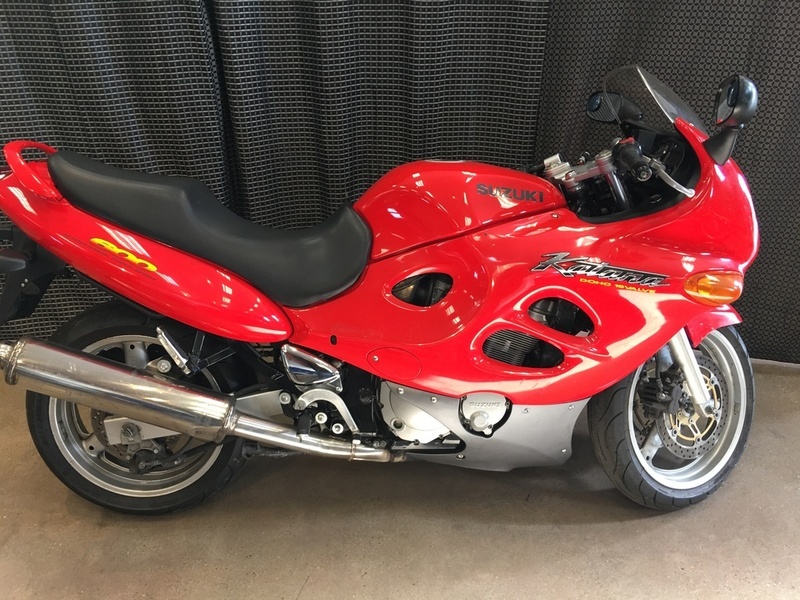
When the 1999 Suzuki Katana 600 emerged onto the motorcycle scene, it was met with a mixture of intrigue and skepticism. Amidst a rapidly evolving landscape of sportbikes and performance machines, the Katana 600 stood as an enigmatic blend of style, engineering, and heritage. Decades later, this motorcycle still stirs a heated debate: is it merely an outdated relic, or does it deserve a temperamental resurgence as an underrated gem in Suzuki’s history? To unravel this conundrum, one must delve deeper into the attributes that both defined and, paradoxically, constrained this iconic machine.
The Suzuki Katana lineage dates back to the early ’80s, a period when its radical design language was akin to a visual manifesto against traditional motorcycle aesthetics. The 1999 Katana 600 was a testament to Suzuki’s ambition to reignite that spirit of innovation, though within the constraints of late 90s engineering and market demands. Sporting a 599cc inline-four engine, the 1999 model is often overshadowed by both its larger displacement siblings and more modern competitors boasting cutting-edge technology.
Yet, beneath its somewhat subdued exterior lies a heart that promises a ride both exhilarating and responsive. The 600cc powerplant produces a respectable output, harmoniously balanced to deliver ample torque across a range of engine speeds. Unlike heavier, over-engineered sportbikes that sacrifice character for pure power, the Katana 600 offers an engaging experience tailored to the discerning rider who values finesse over brute force. Its four-cylinder engine revs crisply to a redline of about 13,500 rpm, offering that classic inline-four symphony that beckons enthusiasts to explore its potential.

Stylistically, the 1999 Suzuki Katana 600 is a fascinating study in retro-futurism. The angular, almost geometric bodywork echoes the aggressive lines of its predecessors while subtly incorporating late 90s design cues. This fusion generates a silhouette that avoids the hyper-aggressive trend seen in many contemporaries, instead exuding an aura of purposeful restraint. It’s a motorcycle that doesn’t scream for attention but commands it nonetheless. The unapologetically bold front fairing paired with compact dimensions grants a unique stance that sets it apart in a sea of homogenous sportbikes.
One of the reasons the Katana 600 often gets dismissed as outdated lies in its conventional technology, especially when contrasted against the electronic wizardry commonplace in today’s machines. Absent are traction controls, ride-by-wire throttles, or advanced ABS systems. This may seem like a glaring deficiency, yet it also means the bike offers an unfiltered connection between rider and machine. For purists, this is a coveted trait, one that fosters a visceral engagement rather than reliance on digital aids. The mechanical simplicity of the Katana enhances reliability and reduces maintenance complexity, factors often overlooked in an era dominated by gadgetry.
The chassis and suspension reflect a design philosophy that prioritizes balance and agility, though it can feel somewhat dated when placed next to modern sportbikes wielding inverted forks and electronically adjustable dampers. The Katana 600’s conventional telescopic front forks and rear monoshock suspension deliver competent handling, especially on twisty roads where nimbleness takes precedence over raw speed. The motorcycle’s relatively light curb weight further contributes to its agile handling characteristics, making it well-suited for riders who relish the nuances of cornering dynamics without the intimidation factor of overtly aggressive machines.
Ergonomically, the Katana 600 strikes a middle ground between the ferociously aggressive sportbikes and conventional standard motorcycles. Its somewhat upright seating position attenuates rider fatigue on longer journeys, proving versatile not just on racetracks but also in urban environments and winding backroads. This balance makes it a compelling choice for riders seeking a motorcycle capable of blending spirited daytime rides with comfortable commuting. The compact dimensions and modest seat height also improve accessibility, a feature that many find undervalued when considering sportbikes from this era.
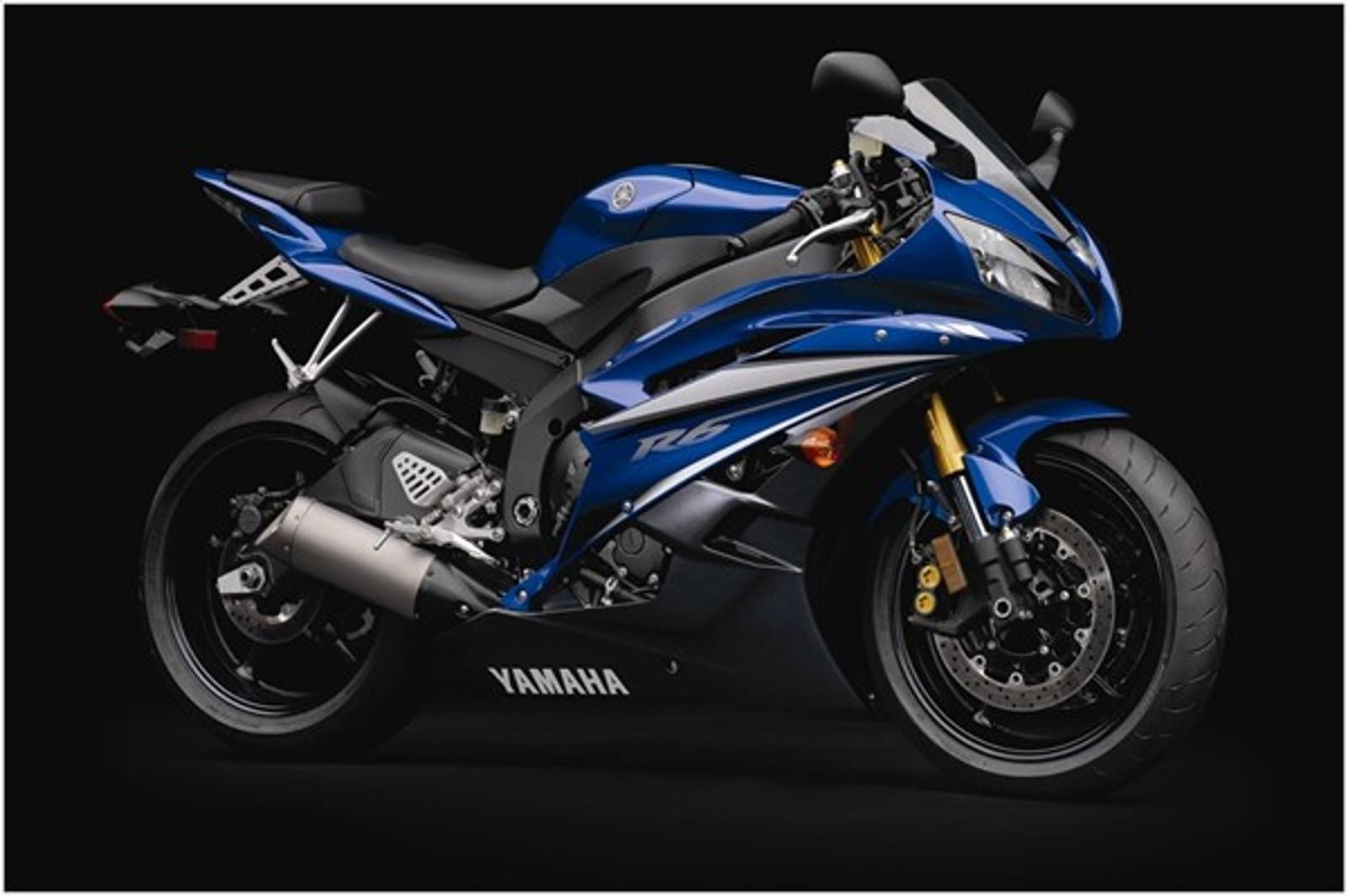
Market perception often paints the Katana 600 as a niche offering, which paradoxically contributes to its undervaluation. It was eclipsed in popularity by more aggressive sportbikes like the Yamaha YZF-R6 and Honda CBR600F series in the late 90s and early 2000s. Dealers and enthusiasts frequently overlooked it, focusing on machines boasting higher specifications or more contemporary styling. However, this scarcity and relative obscurity now invite contemplation of the Katana as a cult classic—a motorcycle with character and personality often lost in the pursuit of horsepower numbers alone.
In an age where retro-styled motorcycles have surged in popularity, the 1999 Suzuki Katana 600 may find itself ripe for reassessment. Its blend of clean lines, mechanical straightforwardness, and engaging ride quality encapsulate qualities increasingly cherished by riders who yearn for authenticity rather than hyperbole. Moreover, the simplicity of its engine and chassis invites customization and personalization, allowing riders to tailor the Katana to modern tastes, whether that be through suspension upgrades, aesthetic modding, or fine-tuning its performance.
Crucially, owning a 1999 Katana 600 involves embracing a riding philosophy that transcends raw statistics. It is a celebration of connection, where the absence of electronic intervention fosters a direct dialogue between rider input and machine response. This communion often yields a rewarding experience that cannot be quantified solely by lap times or top speed figures. Instead, it becomes a mantra for riders who appreciate nuance, vintage aesthetics, and mechanical honesty.
Ultimately, the question of whether the 1999 Suzuki Katana 600 is underrated or outdated resides not solely in its specifications but in one’s perspective toward motorcycling itself. For those captivated by the relentless race for technological supremacy, it may seem an anachronism. Yet for riders who cherish character, simplicity, and the purity of the riding experience, the Katana stands as a testament to an era when motorcycles were not just machines but expressions of passion and artistry. Its allure lies not in conformity with modern trends but in its steadfast refusal to be anything other than what it was designed to be—a motorcycle imbued with soul.
In reevaluating the 1999 Suzuki Katana 600, one uncovers more than just a bike; one discovers a philosophy. Far from being obsolete, it embodies a distinct narrative within the tapestry of motorcycle history—one where design heritage, rider engagement, and timeless appeal converge. Perhaps it’s time to look beyond surface-level appraisals and recognize this machine for what it truly is: a quietly compelling icon deserving of a fresh chapter in the hearts of enthusiasts worldwide.