The 1990s marked a transformative era in the motorcycle industry, a decade where Harley-Davidson, Honda, and Yamaha solidified their legacies through innovation, performance, and cultural impact. The rivalry among these three titans was not merely about horsepower or aesthetics; it was a contest of engineering philosophy, brand identity, and rider experience. As the decade unfolded, each brand carved a distinct niche, appealing to different segments of motorcyclists worldwide. Exploring the nuances of Harley versus Honda versus Yamaha during the 1990s offers a comprehensive understanding of how these manufacturers competed and coexisted, shaping the motorcycling landscape in profound ways.
During the 1990s, Harley-Davidson remained tethered to its iconic heritage, emphasizing the classic cruiser style synonymous with American motorcycling culture. The brand’s lineup was dominated by heavyweight V-twin cruisers with a throaty exhaust note and an unmistakable rumble. Harley’s engineering choices reflected an adherence to tradition—large-displacement air-cooled engines paired with a focus on torque rather than outright speed. This decade witnessed models such as the Softail and the Fat Boy, which combined old-school aesthetics with incremental technological upgrades, like electronic ignition and refined suspensions. These bikes stood as rolling testimonials to Americana, attracting riders who valued the motorcycle as a lifestyle symbol more than a mere conveyance.
In stark contrast, Honda approached the market with versatility and technical proficiency. The 90s were a period where Honda’s reputation for reliability and innovation flourished. Their lineup was impressively broad, showcasing everything from high-performance sportbikes to practical commuters. Honda’s VFR series, for instance, featured advanced engineering, including V4 engines and innovative gearboxes. The brand also pioneered developments in technology, embracing liquid cooling and electronic fuel injection towards the latter part of the decade, which enhanced performance and efficiency. Honda did not just sell motorcycles; they sold a promise of durability combined with cutting-edge technology. This practical yet forward-thinking philosophy earned them immense global appeal, especially among younger riders and those who sought performance without compromising everyday usability.

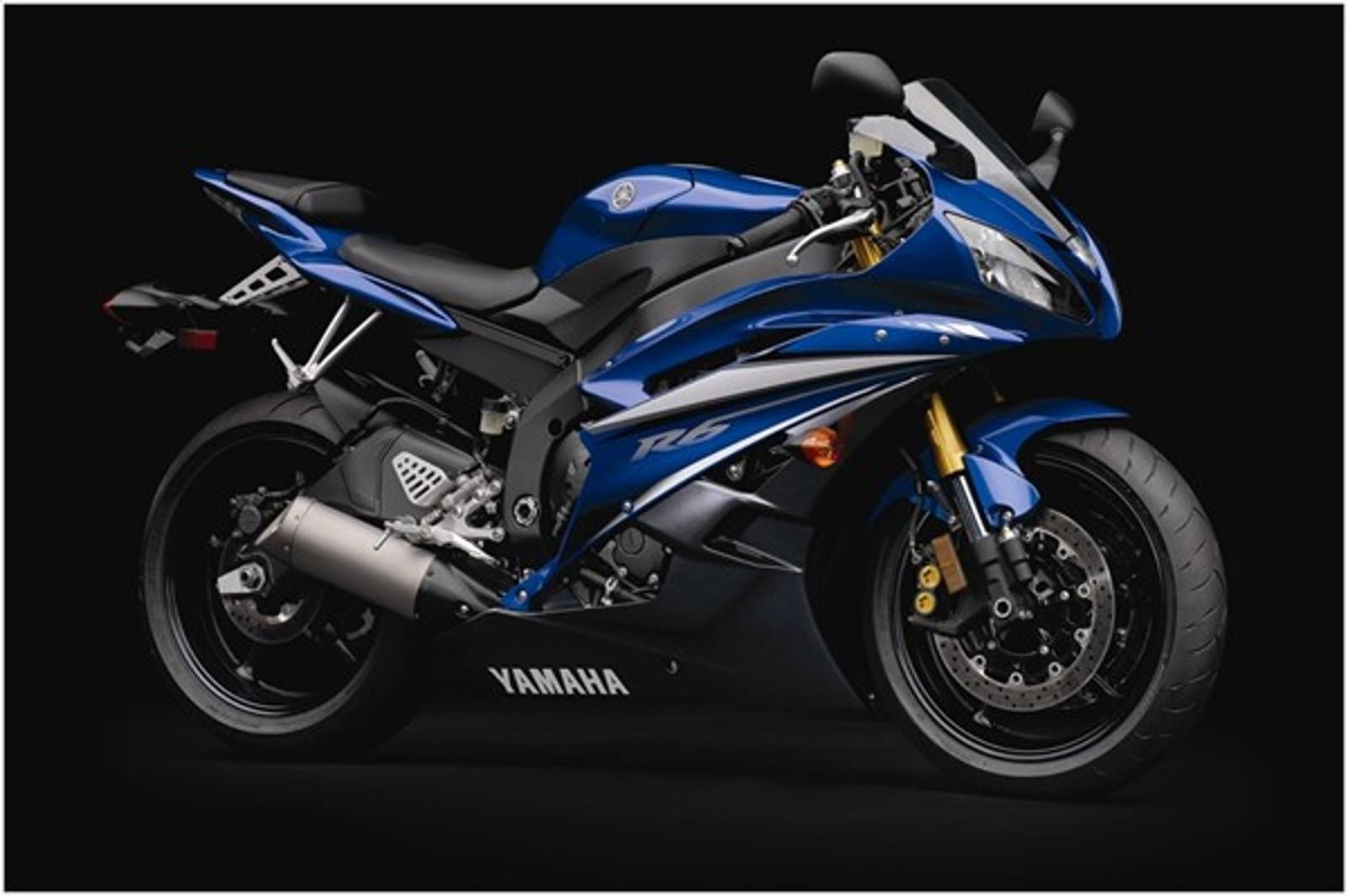
Yamaha, known for its pioneering spirit, balanced performance and innovation with an aggressive expansion of product categories. The 1990s saw Yamaha developing machines that aimed to push the envelope in sport and off-road segments alike. Iconic models like the YZF750 and the R1 introduced during the decade reflected the brand’s commitment to competition and speed, often adopting the latest technologies such as liquid cooling and lightweight chassis construction. Yamaha’s approach was to create motorcycles that could dominate both racetracks and highways, offering an intoxicating blend of agility and power. In addition, Yamaha expanded into all-terrain vehicles and introduced enhanced engine management systems, broadening their appeal among motorcyclists who desired cutting-edge capability coupled with brand reliability.
A comparative analysis among these brands during the 1990s reveals distinct philosophical and practical divergences. Harley’s appeal lay in immersive character and cultural gravitas—an embodiment of freedom and rebellion manifested in chrome, leather, and the visceral sound of a V-twin. However, the brand’s slower integration of technological advancements placed it at a disadvantage in raw performance metrics when juxtaposed against its Japanese counterparts. Honda’s meticulous engineering translated to unparalleled reliability and versatility across various motorcycle categories, making it a preferred choice for pragmatic riders who valued consistency and innovation. Yamaha carved out a formidable reputation through aggressive designs and race-proven technology, catering to enthusiasts hungry for speed and cutting-edge engineering.
From a technological perspective, Honda and Yamaha surged ahead during the decade by incorporating liquid cooling, multi-valve configurations, fuel injection, and advanced materials, which contributed to elevated horsepower and improved handling. These technological importations were fertile ground for competitive racing and high-performance street machines alike. Harley’s technology, while slower to evolve, concentrated on refining the classic riding experience, favoring mechanical simplicity and soulful character over electronic wizardry. This divergence underscores a fundamental dichotomy: Harley-Davidson prioritized the intangible aura of tradition, while Honda and Yamaha pursued tangible improvements in speed, efficiency, and dynamics.
Moreover, the 1990s were instrumental in expanding the global footprint of these brands. Harley continued to dominate the American market and the burgeoning cruiser scene worldwide. Honda’s global dominance was evident, with a robust presence across Asia, Europe, and the Americas, thanks to an extensive model range that met diverse rider needs from urban commuters to sport enthusiasts. Yamaha leveraged its motorsports successes to enhance brand visibility, translating racing pedigree into consumer trust and desirability. This global dispersion not only increased competition but also necessitated continuous innovation, compelling each manufacturer to refine their offerings in response to evolving rider expectations.
Aside from mechanical and performance considerations, rider culture played a pivotal role in defining the appeal of each brand. Harley-Davidson, with its deeply entrenched motorcycle club association and rich history, cultivated a loyal following who embraced the motorcycle as a symbol of identity and defiance. Honda’s ethos, on the other hand, blended practicality with progressivism, attracting riders motivated by functionality and reliability while still valuing style and performance. Yamaha’s rider demographic leaned more towards sportbike enthusiasts and adrenaline seekers, those who sought dynamic control and cutting-edge technology in their rides. These cultural distinctions ensured that each brand excelled within separate, yet sometimes overlapping, market segments.
In summation, determining a definitive “winner” among Harley, Honda, and Yamaha during the 1990s is a nuanced proposition dependent largely on rider priorities. For those in pursuit of legacy, unmistakable character, and the soulful resonance of an American cruiser, Harley-Davidson reigned supreme. Riders demanding dependability, innovation, and a multifaceted lineup gravitated towards Honda’s meticulously engineered machines. Meanwhile, enthusiasts craving speed, agility, and technological advancement found their muse in Yamaha’s race-inspired motorcycles. Each brand excelled within its domain, collectively enriching the motorcycling landscape and pushing one another towards higher standards. The 1990s were less about domination and more about differentiation—an era where distinct identities flourished, giving riders unparalleled choices shaped by diversity in design, engineering, and philosophy.