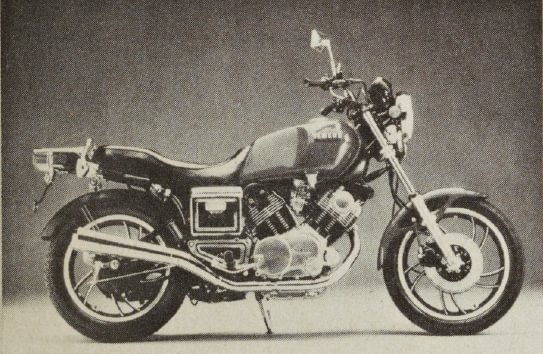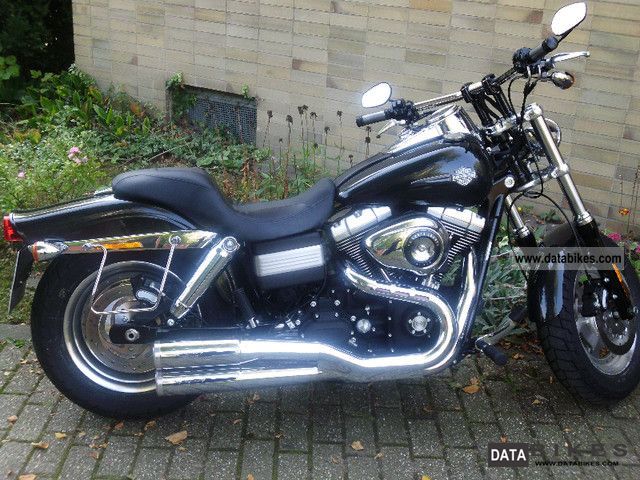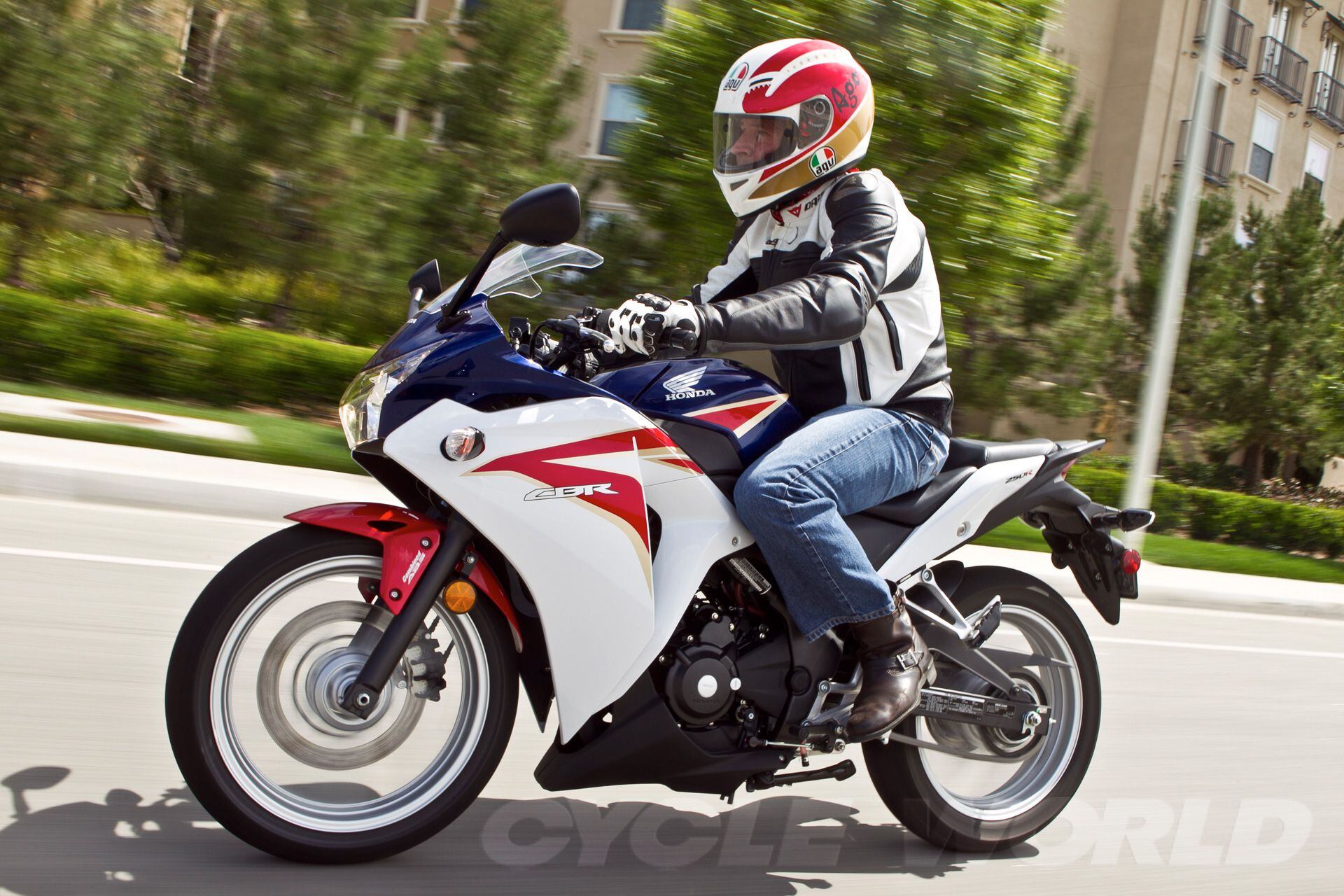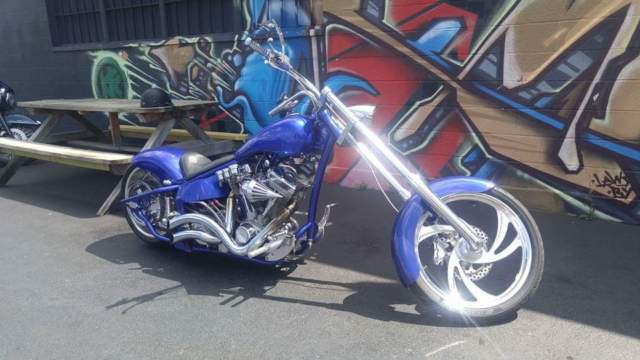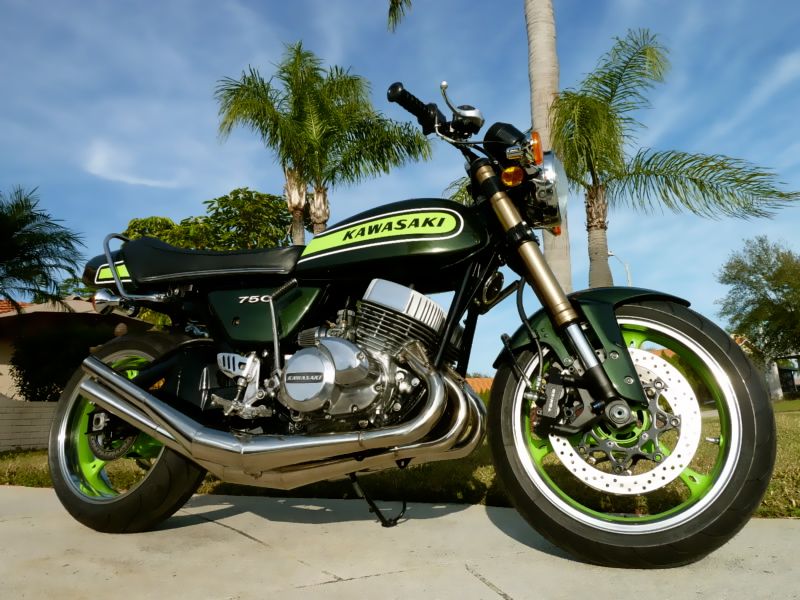
In the vibrant world of motorcycling, few engines have captivated enthusiasts quite like the 2-stroke street bike. These machines, once ubiquitous on urban roads and racing circuits alike, delivered a unique blend of exhilarating power delivery, lightweight agility, and aural excitement that left an indelible mark on motorcycle culture. However, despite their undeniable appeal, 2-stroke street bikes have largely vanished from new production lines. This disappearance is not a mere accident of fate but the culmination of a complex interplay of technological, environmental, regulatory, and market forces.
The raison d’être of 2-stroke engines lies in their inherently simple yet potent design. Unlike 4-stroke counterparts, which complete four distinct piston movements per cycle, 2-strokes execute power strokes every revolution. This cyclical efficiency translates to an impressive power-to-weight ratio, allowing these engines to generate high output from relatively small, lightweight blocks. For street bikes, this meant nimble machines with fierce acceleration and an unmistakable high-pitched exhaust note that became synonymous with a raw and unfiltered riding experience.
Historically, 2-stroke street bikes were celebrated for their spirited performance and engineering elegance. Iconic models from manufacturers such as Yamaha, Suzuki, and Kawasaki rose to prominence during the ’70s and ’80s—era-defining periods where lightweight agility and quick throttle responses were paramount. Their simplicity also enticed the DIY enthusiast, as these engines were easier to overhaul and tune without the burden of complex valve trains. The mechanical symphony of a 2-stroke’s reeds and expansion chambers crafted a very distinctive riding character, favored by adrenaline seekers and purists who sought unmediated motorcycling thrills.
However, the very attributes that enshrined these machines in motorcycling lore also sowed the seeds of their decline. Chief among the factors precipitating their vanishing act was the advent of stringent environmental regulations. The combustion process in a 2-stroke engine, where fuel and oil mix and combust within the same chamber, inherently leads to incomplete burning and higher emission of pollutants, such as hydrocarbons and particulate matter. As governments around the world implemented tighter emissions standards in the late 20th and early 21st centuries, 2-stroke engines faced an uphill battle to comply without sacrificing their characteristic power output.
In contrast, 4-stroke engines, with their separate lubrication and sophisticated combustion cycles, inherently produce cleaner exhaust gases. Manufacturers gradually shifted focus towards refining 4-stroke technology, investing heavily in fuel injection, variable valve timing, and catalytic converters—advancements that drastically reduced emissions and improved fuel economy. This transition was further incentivized by corporate average fuel economy (CAFE) standards and ever-stricter certification testing, which became prohibitively challenging for traditional 2-strokes to meet.
Another pivotal challenge lay in the consumer market’s evolving preferences. The modern motorcyclist often prioritizes reliability, fuel efficiency, and ease of maintenance—traits more readily achieved by contemporary 4-strokes. While 2-strokes boast an intoxicating power band, their narrow torque curve demands constant throttle work, which can be less forgiving for casual riders. Moreover, the necessity of mixing gasoline with oil for lubrication introduced an additional layer of operational complexity. As motorcycles became more accessible to a broader audience, manufacturers gravitated towards designs that catered to daily commuters and weekend tourers seeking trouble-free ownership.
The technological evolution of motorcycle engineering also contributed to the eclipse of 2-stroke street bikes. The emergence of liquid cooling, computer-controlled fuel injection, and advanced engine management systems harmonized with 4-stroke configurations, unleashing performance masked by cleaner emissions and extended engine longevity. In contrast, adapting such breakthroughs to 2-stroke engines proved more intricate and expensive, with diminishing returns given their environmental liabilities. This disparity accelerated the decline of 2-stroke presence in street-legal motorcycles, relegating them primarily to off-road and motorsport domains where emissions regulations are less restrictive.
However, the story of 2-stroke street bikes is not solely defined by decline; it includes a lingering legacy that continues to influence motorcycle culture and engineering. Collectors and hobbyists worldwide preserve and restore these machines, appreciating their mechanical purity and exhilarating ride quality. Vintage 2-strokes are celebrated in niche circuits, vintage races, and motorcycle museums as relics of an era characterized by radical innovation and spirited design philosophy.
Moreover, emergent technologies and alternative approaches are rekindling interest in 2-stroke principles. The integration of direct fuel injection into 2-stroke engines, for example, dramatically improves combustion efficiency and reduces emissions, addressing one of the core shortcomings that once plagued these engines. Some manufacturers experiment with reimagined 2-stroke designs, taking advantage of lightweight materials, advanced electronics, and synthetic lubricants to engineer cleaner and more reliable powerplants. These advancements offer tantalizing glimpses of a potential renaissance, where the thrill of the 2-stroke might be reconciled with modern ecological imperatives.
In sum, the disappearance of 2-stroke street bikes from mainstream production is a multifaceted phenomenon. It springs from environmental constraints, technological progress, shifting consumer demands, and regulatory landscapes that collectively favored 4-stroke dominance. Yet, their cultural imprint endures vividly, preserved in the hearts of enthusiasts, influenced current engine development, and occasionally hinted at in innovations that aspire to revive their spirited essence. The tale of 2-stroke street bikes is one of both nostalgia and hope—an evocative reminder of motorcycling’s dynamic evolution, balancing heritage with innovation in pursuit of the perfect ride.