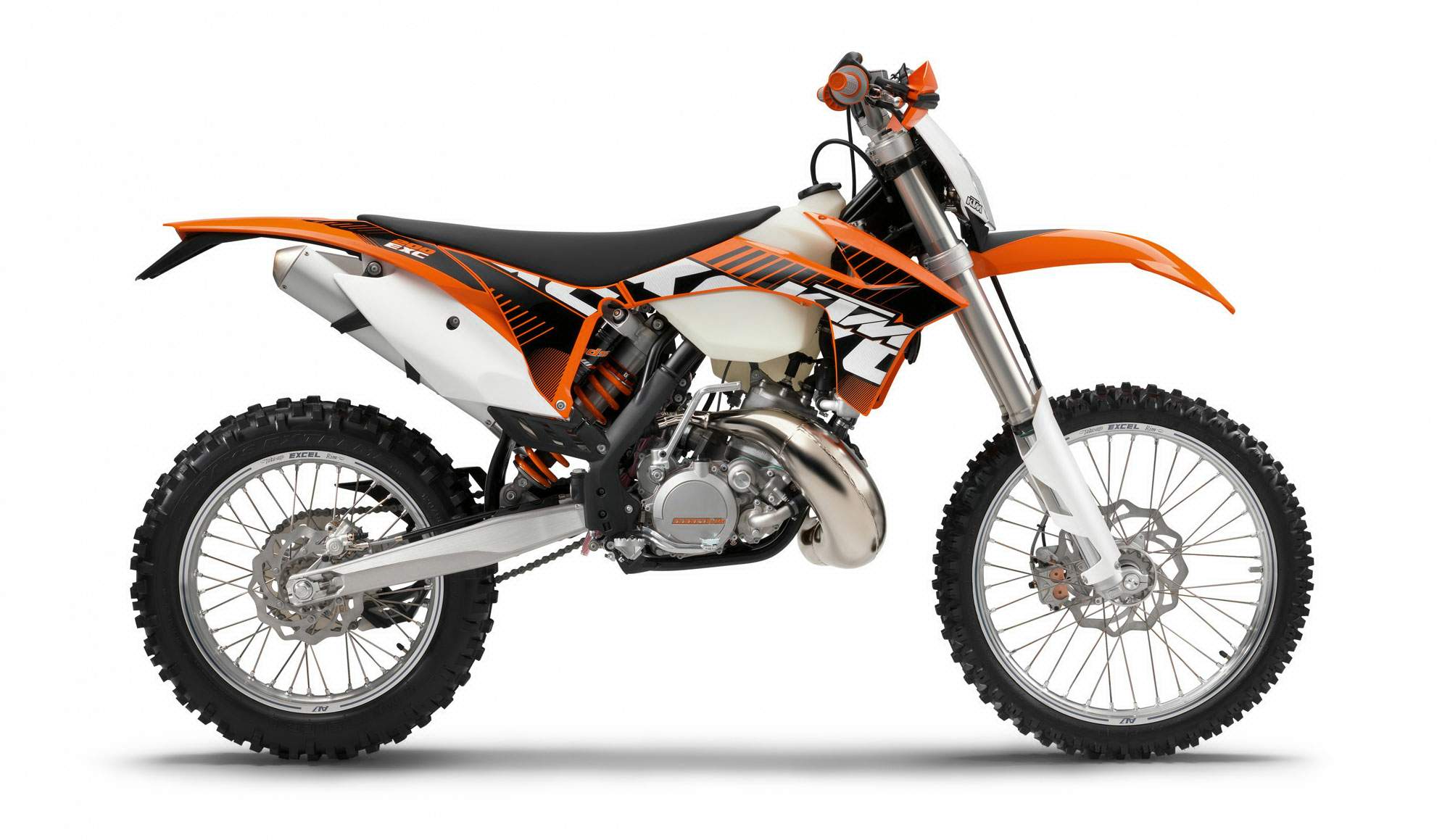
When considering the landscape of competitive enduro motorcycles, one question often arises for riders navigating the entry-level to mid-tier segments: Which is the superior choice—the KTM 200 EXC or the KTM 250 EXC? At first blush, both bikes boast KTM’s hallmark agility and engineering finesse, yet the gap between these two models is more nuanced than mere displacement figures suggest. Is it the lightweight nimbleness of the 200 that steals the show, or does the 250’s brawnier powerplant and versatility redefine the enduro experience? Let’s delve into the intricacies and dissect which might truly claim the title of best enduro choice.
The KTM 200 EXC, often celebrated for its acrobatic finesse, leans heavily into the ethos of an agile, dart-like performer. Featuring a 199cc two-stroke engine, this machine is a favorite for riders who prize immediate throttle response and an ultra-light chassis. The 200 EXC’s frame geometry and diminished curb weight make it a virtuoso in technical terrain, weaving through delicate root systems and scrabble-like climbs with astonishing ease. Its relatively compact footprint enhances maneuverability, allowing for sharper corrections mid-course—a crucial attribute for triumphed navigations through narrow trails and gnarly single tracks.
Conversely, the KTM 250 EXC steps into the arena with a more robust 248cc two-stroke engine that delivers an appreciable boost in torque and peak horsepower. This model straddles the line between raw power and agile maneuverability. The 250 EXC is often extolled for its versatility, comfortably tackling a spectrum of terrain with commendable grace. Enduro riders oftentimes find the additional punch invaluable when transitioning from tight, technical sections to faster, open stretches. This adaptability renders the 250 an appealing beast for those hesitant to be pigeonholed into exclusively technical tracks.
One might ask: does the extra displacement of the 250 inherently overshadow the 200’s nimbleness, or is the subtle difference in weight just as decisive? The 200 EXC’s dry weight hovers around 221 pounds, making it feather-light in comparison to the 250 EXC, which tips the scales slightly heavier, often by a margin of about 10 pounds. While the added weight in the 250 is not prohibitive, it is enough to be perceptible during continuous maneuvering. The weight advantage of the 200 allows for less rider fatigue during extended technical rides—a decisive factor for endurance events or riders seeking to maximize control in challenging environments.
Beyond raw numbers, both models share crucial technological touches that elevate the riding experience. The suspension setup, famously WP’s XPlor series, offers plush yet responsive damping tailored for aggressive off-road dynamics. The 200 EXC and 250 EXC both possess superbly calibrated forks and rear shocks, ensuring that even the most rugged terrain is met with confidence and comfort. Riders note that despite slight setup differences to accommodate weight and power characteristics, both bikes maintain impressive composure when punishing rough surfaces at speed.
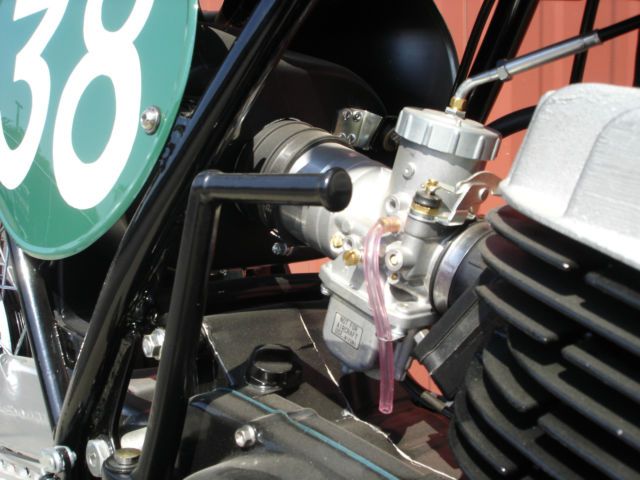
Fuel delivery is another point of divergence, albeit subtle. Although both bikes employ carburetors in their earlier iterations, later models incorporate fuel injection systems that enhance throttle precision and reduce maintenance complexity. The 250 EXC’s fuel injection tends to deliver smoother mid-range power—crucial for maintaining momentum through variable terrain—while the 200 EXC’s setup provides crisp, instant response beneficial in highly technical sectors. This subtle contrast can orient a rider’s preference depending on whether precision or power consistency is their priority.
Emissions and regulatory compliance also play an incremental yet influential role in choosing between these two models. Over time, emissions standards have pressured manufacturers to refine combustion efficiency and reduce pollutants, a challenge more pronounced in smaller displacement two-strokes. KTM has tackled this with innovations like the transfer port injection in the 250 EXC, edging it towards cleaner operation without sacrificing performance. For environmentally conscious riders or those in jurisdictions with strict noise and emissions laws, such technological enhancements could tip the scale in favor of the 250 despite its increased displacement.
Ergonomics and rider comfort further complicate the decision matrix. The 250 EXC often features a slightly taller seat height, accommodating a broader range of rider sizes but potentially intimidating smaller or less experienced riders. The 200 EXC’s lower seat and narrower frame generally grant a more approachable ride for novices or those seeking a more relaxed posture. Seat comfort combined with control reach can significantly influence rider confidence and stamina over extended sessions, thereby impacting performance outcomes in practical terms.
The question then becomes: is the KTM 200 EXC’s razor-sharp lightness enough to outshine the all-around prowess of the 250 EXC? From a pure power-to-weight standpoint, the 200’s quick revving engine and minimal mass create an intoxicating blend of speed and agility. It demands a certain finesse to master but rewards riders who prefer a bike that responds instantaneously to subtle inputs. In contrast, the 250’s broader torque curve offers a more forgiving power delivery, suitable for a more diverse range of conditions, including longer enduro stages where maintaining momentum is king.
Price and maintenance should not be overlooked in this equation. Generally, the 200 EXC comes at a lower price point, plus two-strokes tend to be more straightforward to service, especially when carbureted. However, the 250 EXC offers slightly better resale value due to its versatility and broader appeal. Owners often report that the 250 can endure more varied terrain and rider styles without compromising longevity. So potential buyers must weigh upfront costs against long-term usability and ease of upkeep.
Finally, rider profile plays an unmistakably pivotal role in settling the debate. For those who thrive on precision and technical mastery, the 200 EXC channels a pure, unadulterated enduro ethos—light, fast, and meticulously responsive. Conversely, riders seeking a do-it-all workhorse that effortlessly negotiates both technical trails and quicker sections will likely favor the 250 EXC’s balanced mix of power and refinement.
In essence, both the KTM 200 EXC and 250 EXC are stalwarts in the enduro realm, each with its own compelling virtues. The challenge lies in pinpointing which attributes resonate most with the rider’s style and terrain demands. Is it the innate playfulness and featherweight comportment of the 200 that steals hearts, or does the 250’s versatile grunt and advanced technology make it the ultimate trail companion? There is no universal answer—only the nuanced preference of every enduro enthusiast navigating their path through the rugged wilderness.