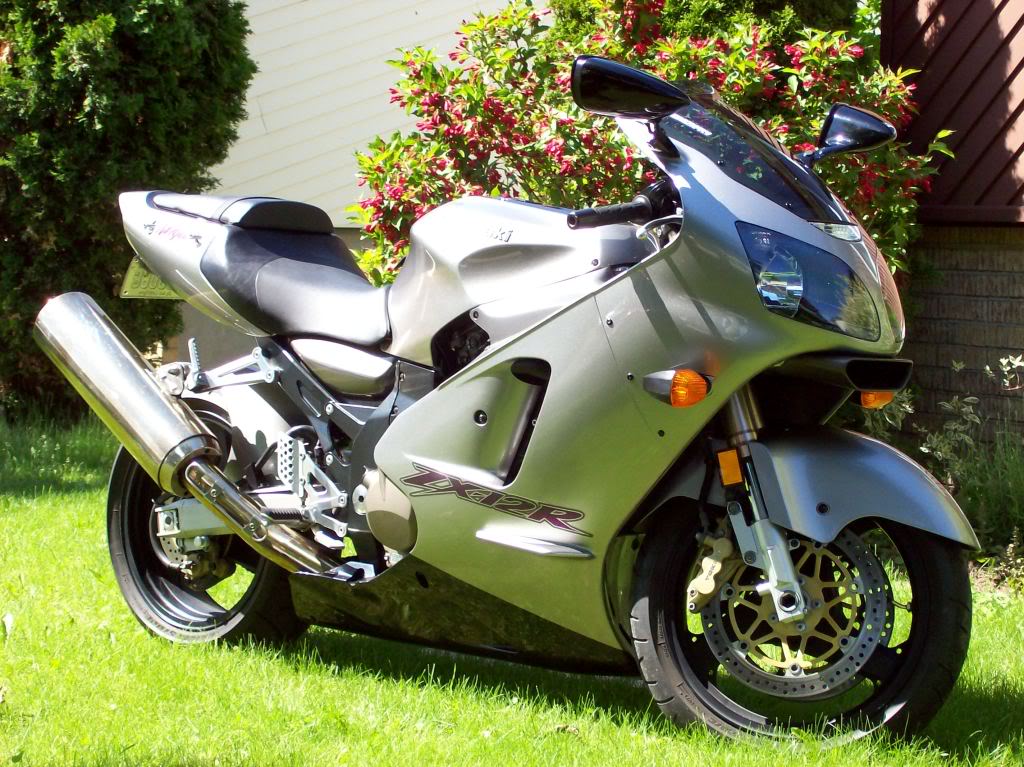
In the annals of superbike history, the year 2000 marks a compelling chapter defined by engineering bravado and a relentless pursuit of velocity. The Kawasaki ZX-12R emerged not merely as another contender, but as a fulcrum upon which the hyperbike narrative tilted dramatically. This machine was not just a motorcycle; it was a harbinger of a new echelon in speed, precision, and technological daring. To delve into the top speed of the 2000 Kawasaki ZX12R is to traverse a landscape where raw power meets audacity, challenging long-held assumptions about what a motorcycle could achieve.
At the dawn of the new millennium, superbikes had entered an unspoken arms race, each manufacturer striving to outdo the other in outright top speed and engineering excellence. The Kawasaki ZX-12R was conceived as a revolutionary contender, aimed at obliterating the usual benchmarks. Its creators envisioned a machine that combined aerodynamic innovation with a powerhouse of performance, capable of exceeding the established norms without sacrificing rideability.
Central to the ZX12R’s allure was its heart: a 1,199cc inline-four engine that pumped out an exhilarating blend of torque and horsepower. Unlike many of its competitors, which leaned heavily on sheer horsepower as a marketing ploy, the ZX-12R balanced brute force with refined electronic and mechanical design. The result was an engine that screamed stability at high revs and delivered a linear powerband that ensured riders could harness every ounce of energy with confidence.

It was this finely tuned synergy of engine potency and aerodynamic acumen that vaulted the ZX12R into hyperbike territory. The bike was crafted to slice through the air with diminished drag, its bodywork a meticulous exercise in wind tunnel testing. This approach did more than just hype a top speed figure; it instilled a dynamic grace unseen in many heavyweight motorcycles of that era. The bodywork’s sharp contours and minimalist fairings coalesced to create a silhouette that promised breakneck velocity before the throttle was even twisted.
The official top speed figures, often a subject of debate among purists and enthusiasts alike, positioned the 2000 ZX-12R perilously close to 180 mph, with many real-world tests suggesting an effortless climb beyond this threshold. This was no mere number; it was a seismic shift that redefined expectations. Such velocity was previously the realm of race-only machines or heavily modified superbikes, but Kawasaki made it accessible in a street-legal form. This accessibility ignited the imaginations of riders and engineers alike, sparking a fervent curiosity about the possibilities of motorcycling at its extreme.
One must not overlook the innovative suspension setup and braking capabilities engineered to complement this newfound speed. Kawasaki knew that velocity without control was chaos incarnate. The ZX-12R featured advanced titanium-aluminum forks and high-performance disc brakes that ensured the rider could dance along the razor’s edge between throttle and brake with poise. This harmony between acceleration and cessation underscored the bike’s role as a true hyperbike rather than a mere speed demon.
The ZX12R’s technological advancements represented a paradigm shift. It was a machine born out of a synergy between raw mechanical power and refined scientific engineering. Its top speed wasn’t just a statistic; it was a proclamation that the era of hyperbikes had arrived. Riders were no longer constrained by the limitations of prior superbikes—they were invited to redefine speed, agility, and confidence on two wheels.
More than two decades later, the 2000 Kawasaki ZX-12R remains an icon. Its legacy is not simply measured by how fast it could go, but by the way it expanded the horizon of what riders and engineers envisaged as achievable. The bike’s dominance during its epoch catalyzed the development of subsequent hyperbikes, and its influence lingers in the aerodynamic sophistication and powertrain evolution seen across the motorcycle world.
While today’s superbikes flaunt top speeds that make the ZX12R’s numbers seem almost pedestrian, the historical context preserves the ZX-12R’s mystique. It represented a time when boundaries were pushed with fearless ambition, and the sport of motorcycling entered a new dimension of speed and control. The hyperbike madness of the early 2000s was less about flash and more about forging a pathway into the future of motorcycling—a future where performance and engineering prowess were symbiotic.
In retrospect, the 2000 Kawasaki ZX-12R was more than an objet d’art for speed enthusiasts; it was a technological manifesto. It promised a seismic shift in perspective—challenging riders to reconsider what was achievable and inspiring engineers to push the envelope further. As an early hyperbike, it encapsulated the raw energy, innovation, and aspiration that defined one of motorcycling’s most exhilarating eras. Its top speed was not simply a peak to conquer but a gateway to the evolution of superbike performance.
The legacy of the ZX-12R endures. It invites a fresh look at the delicate balance between speed, safety, and sophistication. It beseeches riders to appreciate the craftsmanship behind breaking speed records, and to understand that the allure of hyperbikes extends beyond numbers—it’s about embracing a transformative chapter in motorcycling history that forever altered the shape of the sport.