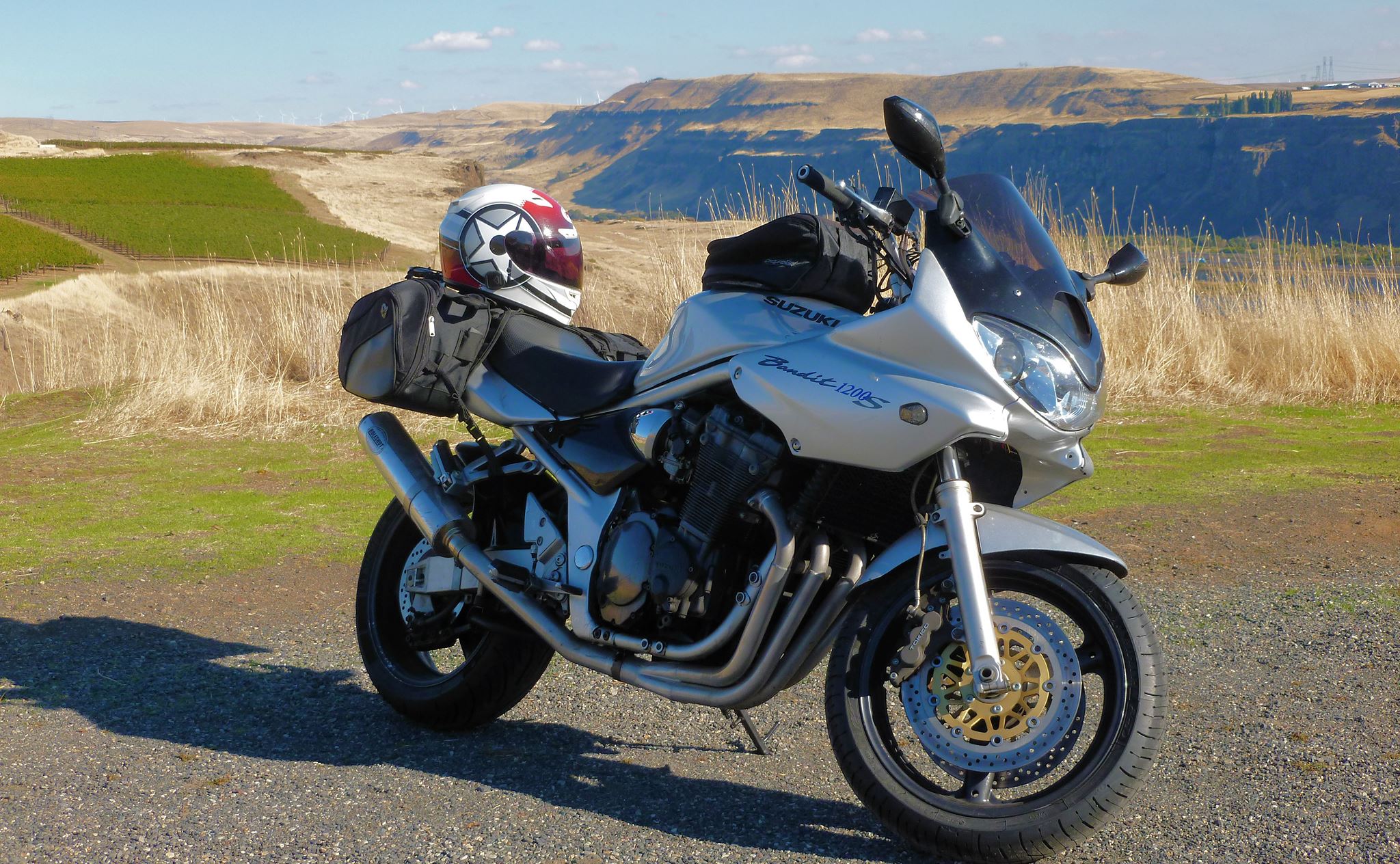
The 2001 Bandit 1200 stands as a formidable contender in the world of naked motorcycles, revered for its raw power and unpretentious engineering. This classic model, produced by Suzuki, deftly balances performance with a muscular design that has captivated riders for decades. Central to its allure are its top speed and acceleration capabilities—metrics that enthusiasts and casual riders alike scrutinize when assessing its true performance prowess. This article embarks on an in-depth exploration of the 2001 Bandit 1200’s real top speed, its 0–60 mph acceleration figures, and what these numbers reveal about the bike’s overall character on the road.
Unveiling the Top Speed: The Pinnacle of Velocity
The Bandit 1200’s top speed is a pivotal parameter defining its standing among liter-class motorcycles from the early 2000s. Factory specifications often paint an optimistic picture, but real-world tests contextualize those figures into tangible riding experiences.
With its robust air/oil-cooled 1157cc inline-four engine, the Bandit 1200 churns out approximately 98 horsepower and 77 lb-ft of torque. This powerplant is mated to a 5-speed transmission, delivering thrust with an unmistakable grunt. On an open road free from restrictive conditions, the Bandit 1200 reliably eclipses the 140 mph mark, inching closer to its theoretical top speed in the range of 145 to 150 mph.
However, the pursuit of peak velocity on the Bandit is tempered by its naked styling and aerodynamics, or rather, the lack thereof. Unlike fully faired sportbikes, the exposed frame and mechanical components introduce significant air resistance, which effectively curtails its absolute top-end velocity. Riders frequently report a feeling of wind buffetting at high speeds, a reminder that the Bandit’s forte lies more in street-level performance rather than outright racetrack dominance.
Acceleration Dynamics: Real-World 0–60 mph Times
Acceleration from 0 to 60 mph is a crucial benchmark, especially for urban riders and enthusiasts who relish quick throttle response. The Bandit 1200’s big-bore inline-four engine delivers a generous surge of torque from the low to mid-range RPMs, facilitating brisk initial acceleration.
Independent testing and rider testimonials consistently place the 0–60 mph sprint in the vicinity of 3.5 to 4.0 seconds. This figure positions the Bandit 1200 competitively among liter-class naked motorcycles of its era, confirming that it is no mere cruiser but a genuine performer capable of satisfying those craving quick getaways at traffic lights or weaving through congested streets.
Several factors influence these acceleration figures. Rider weight, gear ratios, tires, and road conditions play pivotal roles in the Bandit’s launch efficacy. Additionally, its torque curve, renowned for being broad and accessible, ensures that acceleration remains linear and tractable—with minimal interruptions in power delivery. This characteristic stands in contrast to some contemporaries that exhibit peaky behavior, requiring a more aggressive throttle hand to stay within the optimal power band.
Diverse Content Readers Can Expect
This comprehensive discussion offers a rich tapestry of information tailored for a variety of readers:
- Technical Enthusiasts: Those interested in mechanical specifics will appreciate insights into the engine configuration, torque output, and transmission layout that influence the Bandit 1200’s top speed and acceleration.
- Casual Riders: Clear explanations about real-world riding conditions and how they affect performance metrics help demystify what it feels like to ride the Bandit 1200 beyond mere numbers.
- Comparative Analysts: For readers who enjoy comparing motorcycles across eras and segments, the inclusion of measured 0-60 and top speed stats situate the Bandit among its peers realistically.
- Historical Motorcycle Buffs: Placement within the early-2000s context addresses how the Bandit 1200’s specifications reflected or diverged from trends at that time.
In addition to raw data, readers will find qualitative observations on aerodynamics, rider ergonomics, and how these facets subtly impact both peak speed and acceleration efforts. The article also integrates anecdotal evidence from real riders, enabling a nuanced understanding of the Bandit’s performance character beyond sterile statistics.
The Interplay of Design and Performance
It is essential to appreciate the Bandit 1200 as more than just a sum of its numerical metrics. The bike’s design ethos champions accessibility combined with spirited riding dynamics. The upright riding posture and wide handlebars offer superior control, which can instill greater confidence in harnessing the motorcycle’s substantial power output.
Moreover, the relatively modest weight—hovering around 480 pounds wet—allows for nimble maneuvering, giving the Bandit an edge in urban and twisty road scenarios where acceleration and response times are paramount. The suspension setup and braking components, while not high-tech by modern standards, are well-endowed for spirited riding, lending further assurance when pushing the bike toward its upper speed limits.
Real-World Considerations & Limitations
While the Bandit 1200’s numbers are impressive, it’s vital to recognize that real-world top speed and acceleration can fluctuate based on myriad variables such as atmospheric conditions, altitude, rider gear, and even fuel quality. Moreover, tweaks and aftermarket modifications can either augment or hinder performance.
Riders looking for unequivocal acceleration dominance might find newer bikes with more advanced electronics and higher horsepower figures more compelling. Nonetheless, the Bandit 1200’s blend of robust mid-range torque and manageable power makes it an enduring favorite among those who value riding enjoyment over raw numbers alone.
In Conclusion
The 2001 Bandit 1200 exemplifies a motorcycle that expertly balances straight-line speed with everyday usability. With a credible top speed flirting around 145-150 mph and 0–60 mph acceleration hovering near the 3.5 to 4-second mark, it delivers performance that holds its own against many contemporary rivals. Its accessible torque curve, combined with a no-nonsense naked styling, offers riders a genuine taste of liter-bike exhilaration without the complexity or extremity of dedicated sportbikes.
Ultimately, the Bandit 1200’s allure extends beyond mere statistics. It embodies a visceral riding experience shaped by its engineering heritage and functional design. Whether a rider seeks to explore its top speed capabilities or enjoys the brisk acceleration in urban environments, the 2001 Bandit 1200 stands as a time-tested testament to versatile and exhilarating motorcycling.