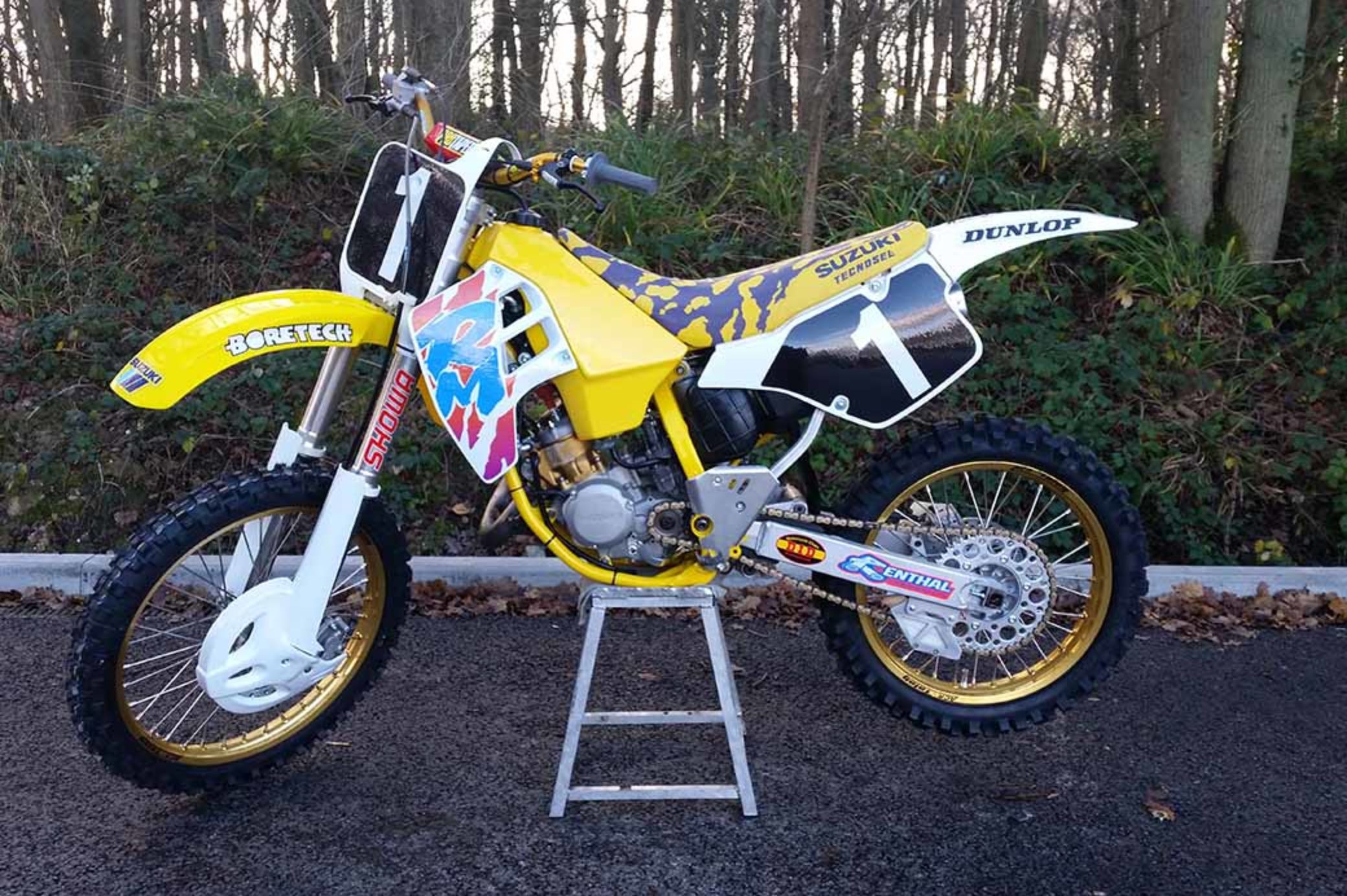
The 1992 Suzuki RM125 stands as an emblematic figure in the pantheon of two-stroke motocross motorcycles, its legacy etched deeply into the hearts of riders and enthusiasts worldwide. The enduring allure of this machine transcends mere nostalgia; it encapsulates a unique blend of raw power, precise engineering, and an almost poetic purity of motocross performance. More than three decades since its debut, the RM125 continues to captivate a discerning audience, prompting the question: what is it about this two-stroke powerhouse that stirs such lasting fascination?
At first glance, one might attribute the RM125’s legendary status to its technical specifications. Beneath its nimble frame lies a liquid-cooled, single-cylinder, two-stroke engine that churns an impressive output for its displacement class. The engine’s rev-happy demeanor and its explosive mid-range punch offer an elixir of responsiveness that remains difficult to replicate in modern four-stroke machinery. This combination of jittery ferocity and controllability unleashes a riding experience that is visceral and engaging.
However, the story of the 1992 Suzuki RM125 is not solely rooted in its mechanical attributes. The motorcycle’s frame and suspension design underscore a meticulous harmony between agility and stability. Suzuki implemented a double-cradle steel frame, engineered to deliver both resilience and flex where required, contributing to the RM125’s hallmark handling characteristics. The Showa suspension components, well-regarded for their adjustability and feedback, provided riders with the tools necessary to adapt to a multitude of trail conditions. This attentiveness to chassis dynamics granted the RM125 a nimbleness in tight corners and an ability to absorb brutal landings, elements that defined its competitive edge on the motocross circuit.
Yet, beyond the tangible, there exists an almost ineffable quality to the RM125 that captivates its devotees. For many, the fascination is firmly tied to the sensory experience it delivers—the sharp crackle of the two-stroke exhaust, the visceral vibration coursing through the handlebars, and the precise modulation of its powerband. These sensations forge a connection between rider and machine that feels intimate and authentic. Unlike some modern motorcycles with their subdued acoustics and electronic aids, the RM125 demands an acute level of rider skill and involvement. Each twist of the throttle is a measured act, each shift a calculated decision.
The cultural context in which the RM125 was conceived further amplifies its mystique. The early 1990s represented a zenith for two-stroke motocross bikes. Manufacturers were locked in an arms race to extract maximum performance from compact engines, resulting in a rapid evolution of technology and racing techniques. The RM125 was a testament to Suzuki’s engineering prowess during this dynamic period—a machine that reflected the spirit of competition, innovation, and youthful exuberance. Its vibrant blue livery and aggressive styling evoked the thrill of the racetrack and the adrenaline-laden weekends spent conquering dirt trails.
In contemporary discussions, it is common to hear comparisons between the RM125 and modern counterparts. The shift from two-stroke to four-stroke engines in the motocross world often positions the RM125 as a relic, but enthusiasts ardently argue that it embodies an essential philosophy of motorcycling lost to technology. The mechanical simplicity, the unfiltered feedback, and the rewarding challenge contribute to an experience that transcends raw horsepower metrics and lap times. This is a motorcycle that rewards finesse and respect, qualities that deeply resonate with seasoned riders and collectors alike.
Moreover, the 1992 RM125 offers insight into the evolution of motocross engineering while remaining relevant as a platform for customization and restoration. Parts availability and a robust aftermarket ecosystem have ensured that these machines continue to thrive on tracks and trails, to be customized into bespoke works of art and performance. From upgrade suspensions to refined exhaust systems, the RM125 can be modernized to complement contemporary riding styles without sacrificing its intrinsic character.
In essence, the enduring interest in the 1992 Suzuki RM125 extends beyond a simple appreciation for its specifications or aesthetics. It embodies a synergy of history, engineering excellence, and emotive riding experience that captures the imagination. The throttle-heavy excitement and the tactile dialogue between rider and machine invite a communion seldom found in today’s digitalized landscapes of motorcycling.
To sum up, the 1992 Suzuki RM125 is more than a tangible artifact of motocross history—it is a living testament to a time when two-stroke engines reigned supreme, and riding was an intimate ballet of rider input and mechanical response. It is this duet between man and machine that fuels the ongoing fascination, ensuring the RM125’s place as a revered icon among motocross enthusiasts around the globe. For those seeking the epitome of two-stroke motocross power, few machines capture the essence as cogently as the 1992 Suzuki RM125.