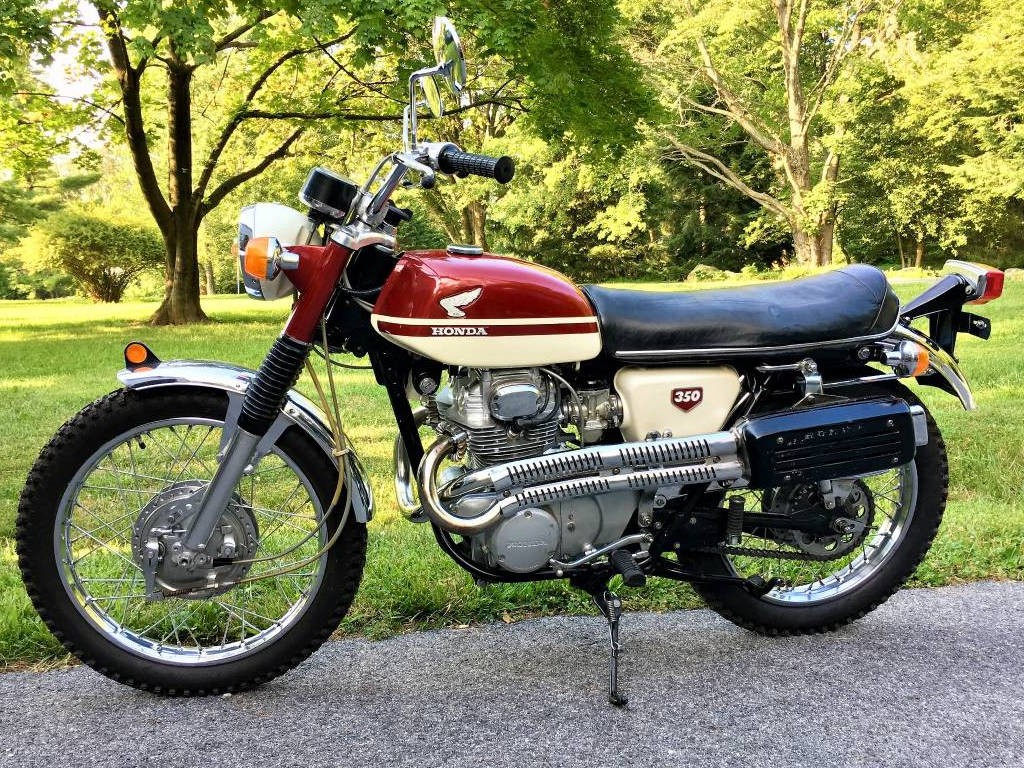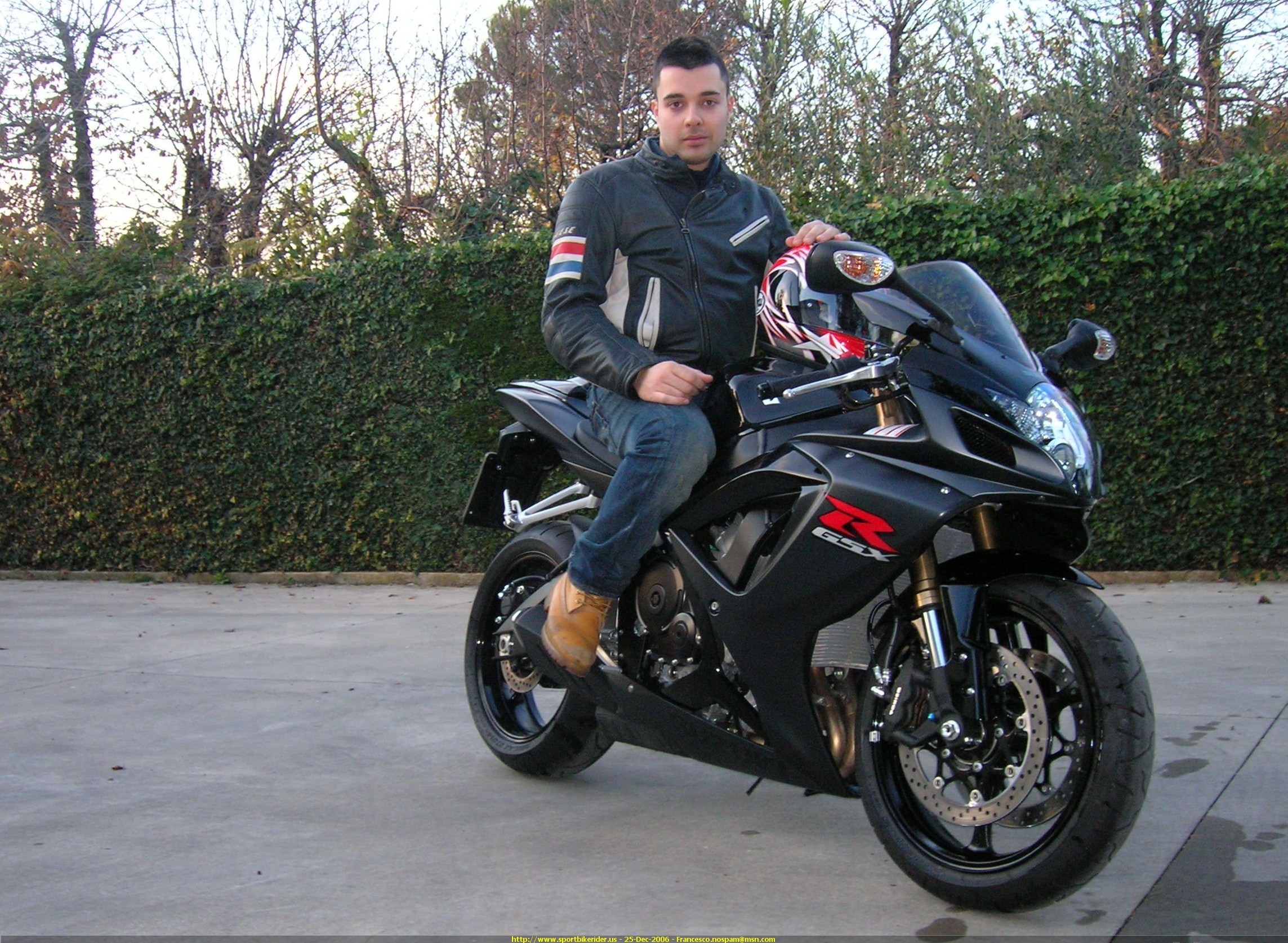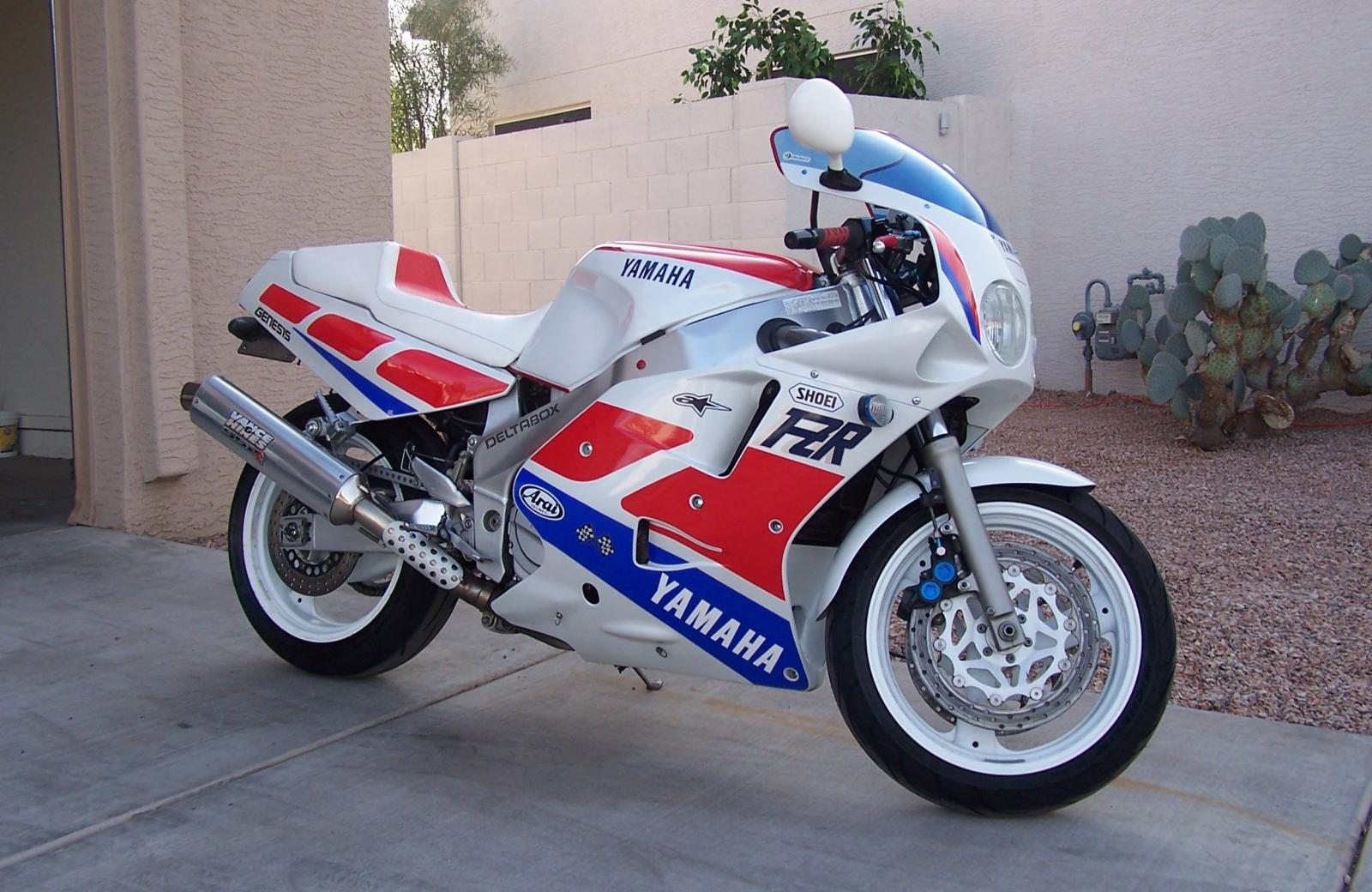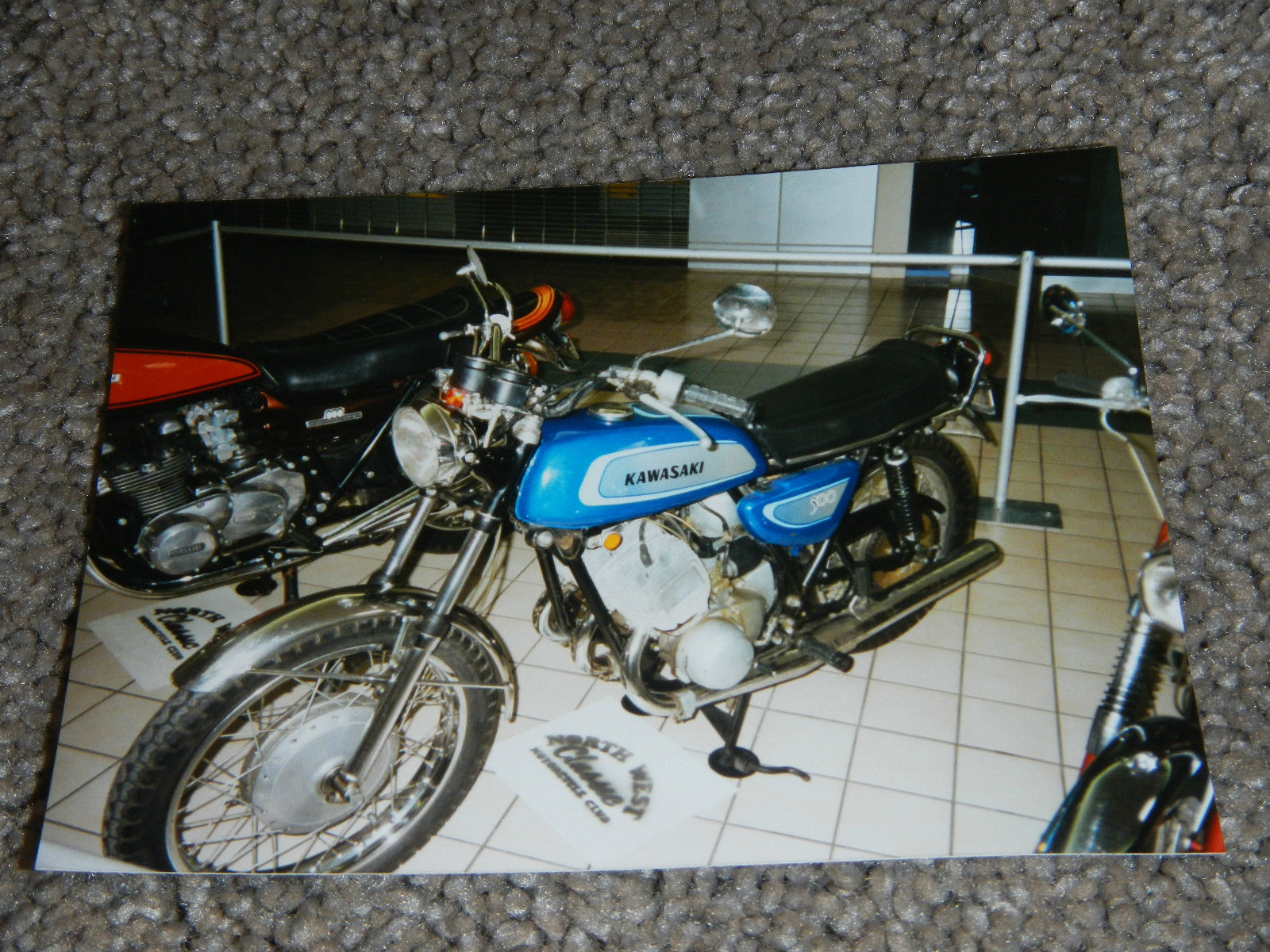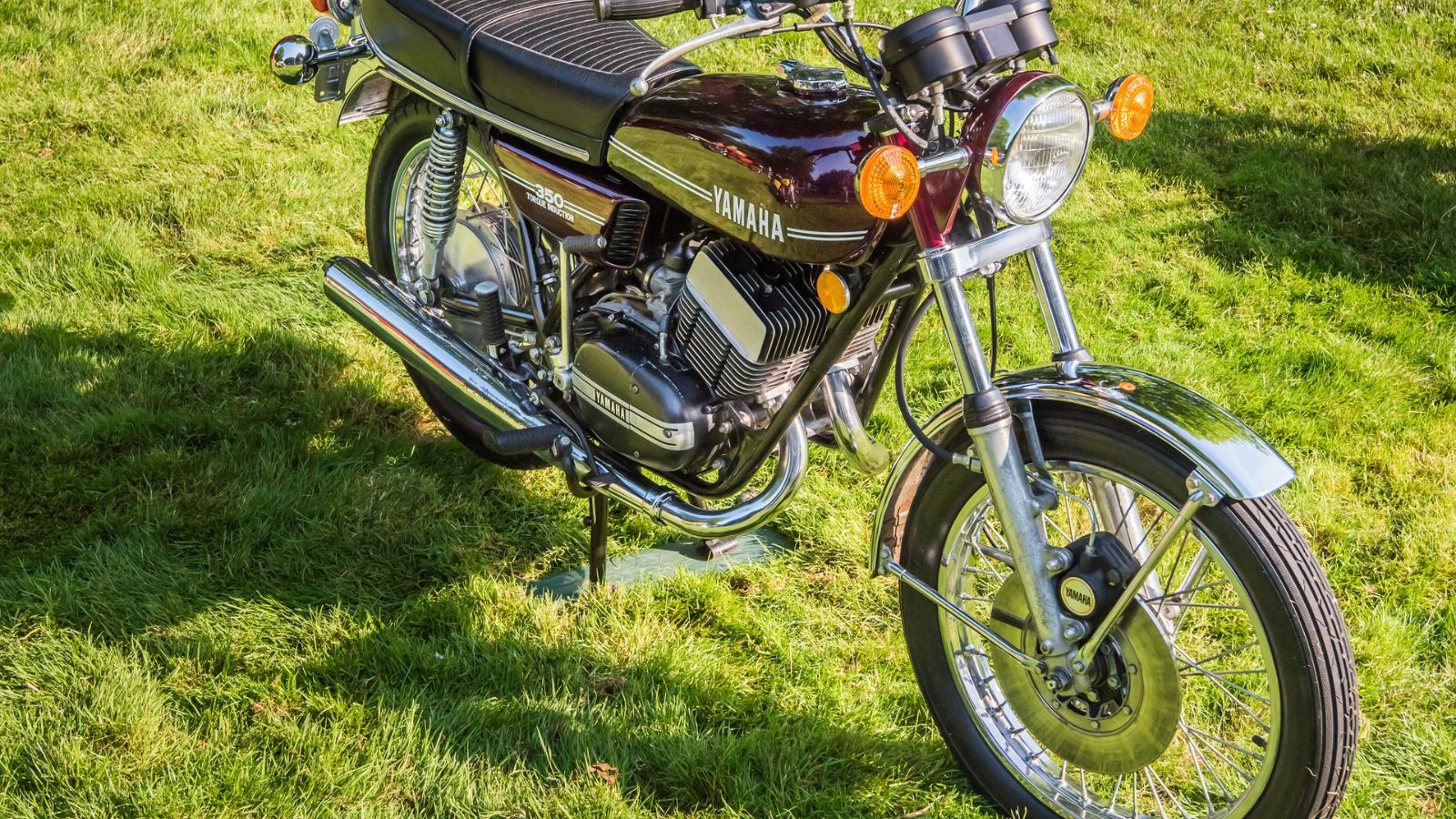
Have you ever wondered why certain motorcycles from the 1980s, once considered mere means of transportation, are now commanding six-figure price tags at auctions and collector circles? What alchemy transforms these two-wheeled relics of a bygone era into coveted, almost mythical, treasures? The answer might not be as straightforward as scarcity or nostalgia alone, but rather a fascinating cocktail of design, technological innovation, cultural significance, and shifting market dynamics. Yet, unlocking the true value of these vintage beasts poses an intriguing challenge: how do you discern the gems worth preserving from the commonplace?
The 1980s represented a unique epoch in motorcycle history. It was the dawn of radical engineering leaps, where manufacturers experimented boldly with aerodynamics, emerging electronic innovations, and daring aesthetics. Unlike the sleek minimalism that defined earlier decades, the 1980s motorcycles often melded muscular bulk with flamboyant flair—think angular fairings, turbo boosts, and vibrant paint jobs. This era became a playground of creativity, setting the stage for what would become legendary machines decades later.
One cannot overlook the technological advancements embedded within these machines. The 1980s were the harbingers of the fuel injection revolution, the introduction of anti-lock braking systems (ABS) in production bikes, and the widespread adoption of multi-cylinder engines that drastically improved power outputs. Such innovations elevated not only performance but also the collectibility factor. Models showcasing pioneering features today serve as time capsules of mechanical evolution, appealing to connoisseurs fascinated by the interplay between past ingenuity and modern mechanics.
Take, for instance, the enigmatic surge in value witnessed by certain sportbikes from this era. The question arises: why would a motorcycle that once roared down suburban streets suddenly morph into a prized collector’s item? The reasons are manifold. First, the passage of time turns mass-produced marvels into rare artifacts. Few original or well-maintained specimens survive three to four decades of wear and tear, leaving a scarcity that fuels demand. Second, cultural resurgence plays a potent role. Retro styles and vintage aesthetics have found new admirers among younger generations eager to recapture or reinterpret the rebellious spirit and distinctive styling emblematic of the 1980s motorcycle scene.
Moreover, the provenance of these machines often dictates their desirability—and consequently, their market price. Limited edition runs, factory-original parts, low mileage, and impeccable maintenance records create an aura of exclusivity that collectors chase fervently. Adding another layer, some notable models are intertwined with pop culture or racing heritage, linking them indelibly with iconic moments or personalities within the motorcycling pantheon. Such narratives elevate their status exponentially, akin to how fine art gains value through the stories it carries.
Yet, the journey to identify these high-value motorcycles is not without pitfalls. The vintage motorcycle market can resemble a labyrinthine bazaar where enthusiasts, speculators, and opportunists converge. Authenticity verification becomes paramount. Counterfeit or heavily modified bikes masquerading as originals can distort valuations and frustrate even seasoned collectors. However, tools such as thorough documentation, expert appraisals, and historical registries are invaluable compass points navigating this intricate landscape.
Among models gaining newfound reverence are classic sportbikes like the Yamaha FZ750, Honda VF1000R, and Suzuki GSX-R750. Each brushed with distinctive engineering hallmarks—Yamaha’s innovative five-valve cylinder head design, Honda’s pioneering use of gear-driven camshafts, or Suzuki’s remarkably lightweight frame construction. These motorcycles embody not just the mechanical zeitgeist of their time but also an artistic ethos that resonates decades later.
Furthermore, the collector’s mindset has evolved, blending an appreciation for historical significance with a sharp eye on investment potential. An increasing number of enthusiasts now consider these motorcycles as tangible assets, a form of alternative investment blending passion with prudence. This shift intersects with a broader cultural renaissance favoring vintage vehicles, where the symbiosis of rarity, condition, and historical import crafts a trifecta that propels prices skyward.
But what about the everyday rider or the casual observer? Why should these motorcycles pique their interest beyond mere market chatter? The answer is found in the tactile experience—these machines represent a tangible link to an era where motorcycles balanced raw power with visceral engagement. They boast analog controls, tangible feedback, and the unmistakable growl of mechanical heartbeats—sensations often diluted in today’s increasingly electronic and computerized motorcycles. For the aficionado, owning a pristine 1980s motorcycle is akin to possessing a finely tuned symphony of engineering and passion, whose resonance transcends price tags.
Still, acquiring such a treasure demands discernment. Prospective buyers must grapple with the availability and cost of parts, the skill required for maintenance, and the idiosyncrasies of older machinery. Moreover, the delicate task of preserving authenticity while possibly modernizing select components for safety or usability introduces philosophical debates among purists and pragmatists alike.
In conclusion, the 1980s motorcycles—far from being obsolete relics—have surged to prominence as prized collectibles and cultural touchstones. They invite us to ponder deeper questions: what transforms everyday objects into symbols of enduring value? How do we balance nostalgia with the rigor of preservation? And, perhaps most playfully, can the thrill of owning a piece of two-wheeled history be quantified in dollars alone? While the market continues to elevate these machines, the true fortune they hold may well lie in their ability to connect generations through exhilarating design, groundbreaking innovation, and the timeless allure of the open road.