The 2001 Suzuki GSX-R750 stands as a fascinating pivot point in the lineage of superbikes. It embodies a meticulous synthesis of raw power and refined control, a harmonious equilibrium that challenges conventional expectations of performance motorcycles. Delving into the specs, horsepower, and top speed of this iconic machine reveals not just a bike capable of sheer velocity but a marvel of engineering that promises a shift in perspective on what balanced performance means.
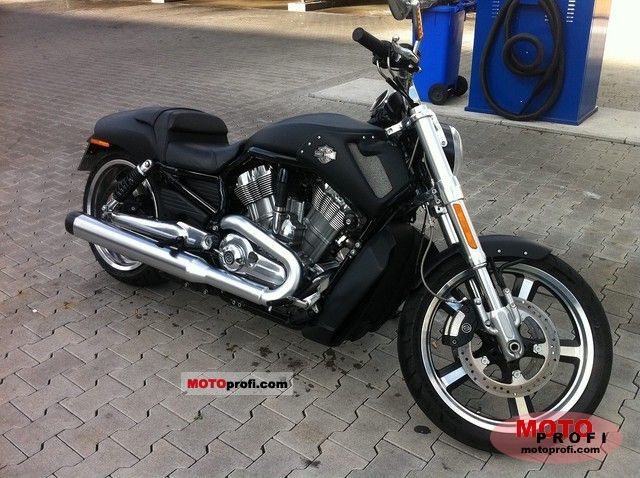
At first glance, the GSX-R750’s allure springs from its aggressive, aerodynamic silhouette. Broader yet streamlined fairings cut through the air with minimal resistance, while the lightweight aluminum frame provides structural rigidity without excess heft. This design philosophy speaks volumes about Suzuki’s intent: to achieve a motorcycle that excels not just in bursts of speed, but in sustained, controlled agility.
Under the surface lies the heart of the machine — a 750cc inline-four engine, engineered with precision tuning and advanced technology for its era. The engine delivers an impressive output of approximately 130 horsepower at 13,500 rpm. This is no mere power figure; it signifies a carefully calibrated rev band where performance and reliability coexist. The GSX-R750’s power delivery is linear yet thrilling, offering riders a sense of command over the motorcycle rather than being overwhelmed by an unrefined surge.
Yet, horsepower alone does not define the GSX-R750 experience. Top speed, while undeniably a headline stat, is merely a component of the larger narrative. Capable of reaching speeds just shy of 170 mph, the bike places itself among the elite in its category. However, it is the blend of acceleration, handling finesse, and aerodynamic stability that truly compels deeper appreciation. The balance between these elements transforms the motorcycle from a straight-line speed demon into a versatile beast, equally at home on technical track curves as on open highways.
One might ponder: what elevates the 2001 GSX-R750 above the cacophony of competing models? The answer lies in its suspension and chassis innovations. Equipped with inverted front forks and a sophisticated rear mono-shock, both adjustable, the bike offers an uncommon degree of suspension customization for its class. This setup allows seasoned riders to fine-tune the ride characteristics to match individual preferences or varying road conditions. Consequently, the GSX-R750 maintains composure and precision, steadfast even under aggressive cornering or sudden directional changes.
Complementing the chassis is a braking system that strikes an impressive balance between stopping power and modulation. Dual front disc brakes with four-piston calipers deliver substantial stopping force, while the rear disc offers nuanced control. Such a configuration ensures that riders are neither caught off guard by unpredictable braking behavior nor hamstrung by inadequate response. Here, Suzuki’s philosophy of harmonious performance shines: every component contributes to a holistic riding experience.
The ergonomics further contribute to the GSX-R750’s elusive balance. Unlike many sportbikes that favor extreme crouching positions sacrificing comfort, this model presents a rider-friendly posture that optimizes control without inflicting fatigue. The seat, handlebars, and footpeg placements are orchestrated with surgical precision, inviting long rides without compromising the high-revving, responsive nature expected of a true sportbike. This design choice enhances the bike’s versatility, making it accessible for a broader spectrum of enthusiasts.
It is also vital to consider the role of the GSX-R750’s transmission and gear ratios, often overlooked elements that subtly govern the motorcycle’s character. The six-speed gearbox exhibits smooth, crisp shifts, facilitating a natural flow of power that encourages both aggressive acceleration and restrained cruising. Carefully selected gear ratios ensure that the engine remains in its optimal power band more often, translating to an immediate and gratifying throttle response.
The interplay of technology in the 2001 Suzuki GSX-R750 extends to materials and manufacturing processes. Lightweight alloys and precise machining reduce unsprung weight, enhancing suspension responsiveness and overall agility. The frame’s aluminum composition is not merely a means of weight reduction but a deliberate strategy to balance stiffness with the necessary flex, permitting the bike to adapt dynamically to varying stresses and surfaces.
In reflection, the 2001 GSX-R750 invites riders and enthusiasts to reconsider their notions of what a 750cc sportbike should embody. It is neither the outright fastest nor the most powerful by sheer numerical standards, yet it offers a compelling case for balance as the pinnacle of performance. This balance—between power and control, speed and stability, rigidity and compliance—creates a motorcycle that is not only exhilarating but rewarding, engaging the rider’s senses on multiple levels.
Ultimately, the GSX-R750’s legacy extends beyond its machine specs; it challenges the ethos of superbike engineering. Suzuki’s creation promises that the thrill of motorcycling need not rely solely on maximal horsepower or top speeds. Instead, it underscores the artistry of performance harmonization—where every element, from throttle response to chassis dynamics, converges to create an experience both thrilling and profoundly accessible.
The 2001 GSX-R750 defies simple categorization. It serves as a benchmark for those seeking a motorcycle that neither dominates by brute force alone nor abdicates performance for comfort. It strikes that elusive equilibrium, emblematic of a new dimension in superbike design, and beckons riders to explore the nuanced dance between speed and control. For those daring enough to experience it, the GSX-R750 offers more than power—it offers perspective.