Is the 2002 Honda Rebel 250 truly the best beginner bike ever, or does it simply wear the crown out of tradition and nostalgia? This small-displacement cruiser has garnered a cult following among novice riders, but the question remains: does it genuinely embody the ideal combination of accessibility, reliability, and rider engagement for those just stepping into the motorcycling world? The answer invites not only a closer examination of its components and design philosophy but also a contemplation of what defines the “best” beginner bike in the first place.
The 2002 model year marks one of the last in the evolution of the Rebel 250’s classic, no-frills iteration. At first glance, the bike might seem modest by modern standards—its unimposing 234cc air-cooled parallel-twin engine hardly promises thrilling speed or horsepower bragging rights. Yet, therein lies the charm and challenge. Rather than overwhelming new riders with an abundance of power or complex electronics, the Rebel focuses on consistency and predictability, allowing novices to build confidence without the intimidation of an unwieldy machine.
One of the Rebel 250’s most celebrated qualities is its approachable ergonomics. The low seat height, roughly 27 inches, means that even riders with shorter inseams can plant their feet firmly on the ground, engendering a sense of control from the moment one straddles the bike. This seemingly minor trait has profound implications for learning; it reduces the anxiety that often accompanies balancing a motorcycle at stops and slow speeds. The lightweight frame, tipping the scales at roughly 320 pounds dry, further contributes to nimble maneuverability, making tight parking lot maneuvers and urban navigation less daunting.
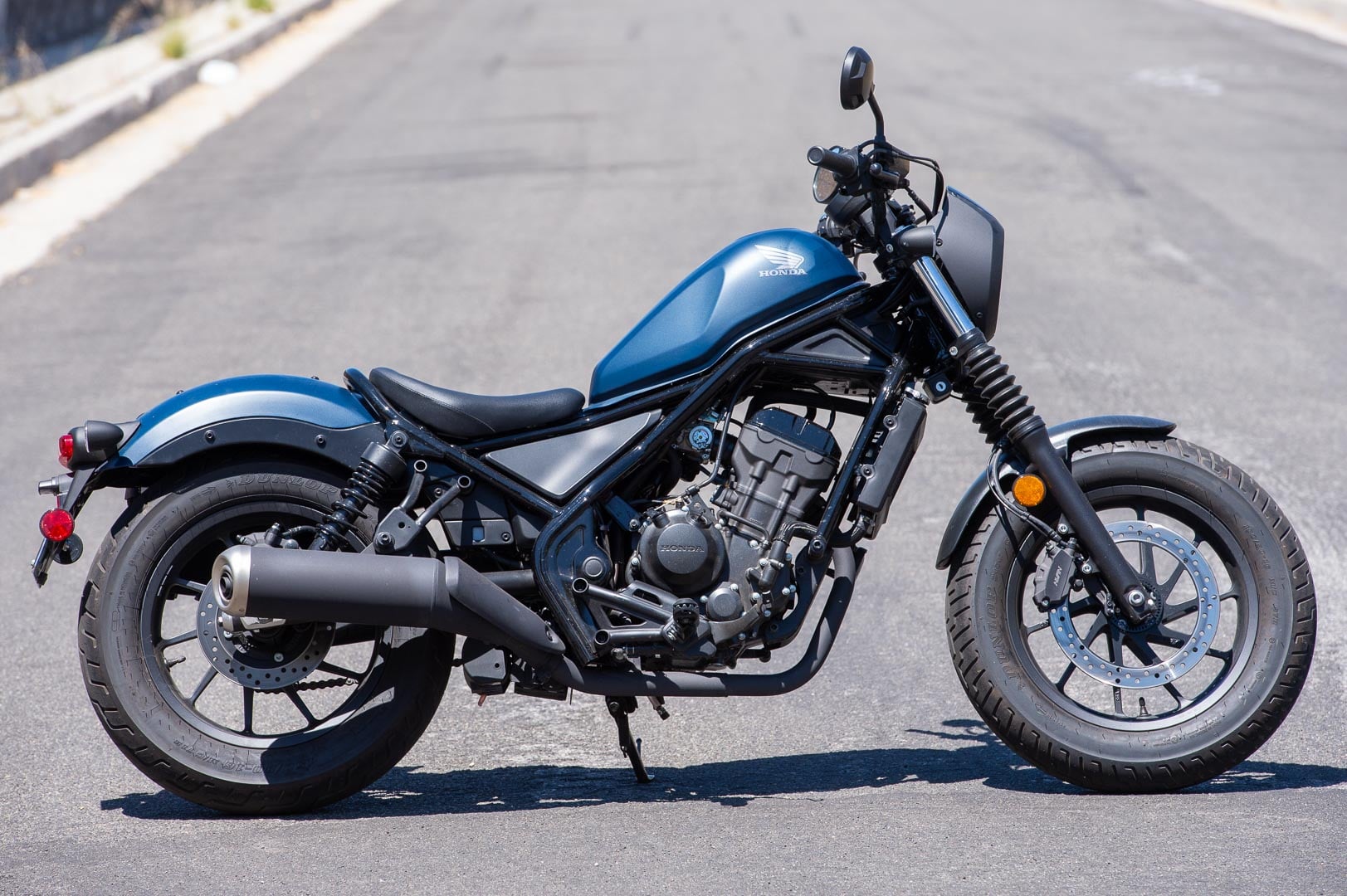
The styling of the 2002 Rebel is emblematic of classic American cruising design—clean lines, rounded fuel tank, and a minimalist profile that appeals to a wide spectrum of riders. Its aesthetic is neither aggressive nor delicate; it walks a balanced line that reflects the bike’s purpose as an accessible yet respectable first motorcycle. Moreover, the Rebel’s simplicity translates into mechanical ease. The air-cooled engine, carbureted rather than fuel-injected, demands less technical attention and remains forgiving to novice maintenance habits. This can be indispensable for new riders who are still familiarizing themselves with motorcycle upkeep.
However, is the Rebel 250’s mild temperament and traditional design truly an advantage in an era that sees beginner riders seeking more versatile, technology-laden options? The modern landscape introduces competitors offering fuel injection, disc brakes, ABS, and other electronic aids that undeniably enhance safety and performance. The 2002 Rebel, with drum brakes upfront and carbureted fueling, may seem quaint or outdated. Yet, each of these characteristics contributes to a tactile, mechanical experience that many riders regard as foundational in developing a deep understanding of motorcycle dynamics.
Riding the Rebel is an exercise in deliberate control. With its modest 17 horsepower, the bike encourages smooth throttle application, precise clutch engagement, and steady speed management. Riders quickly learn that momentum and balance are allies, making the machine a tutor in the fundamentals rather than a thrill-seeker’s propellant. This stands in contrast to some entry-level sportbikes, which, while more powerful and equipped with radial tires and nimble suspensions, may inadvertently coax beginners into a false sense of confidence or error through their responsiveness.
Beyond the technical and ergonomic considerations, the Rebel 250 holds a symbolic position within the motorcycle community. It represents a rite of passage, a “first chapter” in the story of many riders. For these individuals, the bike is not just a tool but a companion in their evolution as motorcyclists. This lends an intangible value to the Rebel—not necessarily quantifiable by performance metrics but palpable in personal narratives.
Yet, it would be remiss not to acknowledge the Rebel’s limitations. Its modest engine power means that riders intending to venture onto highways or sustained higher-speed environments might find it underpowered and cumbersome. Additionally, its weight, while light for a cruiser, is still heavier than many modern beginner sportbikes or naked motorcycles, which can influence agility in more dynamic riding scenarios. The technology gap—lack of ABS, less advanced suspension—may also raise valid safety concerns in certain contexts.
So, can the 2002 Honda Rebel 250 be crowned the best beginner bike ever? The answer depends largely on what criteria one prioritizes. If the bar is set in favor of mechanical simplicity, rider confidence-building ergonomics, and a classic riding experience that emphasizes gradual mastery over electronic intervention, then the Rebel remains a formidable contender. Its legacy is underscored by a community of riders who credit it as the foundation of their motorcycling journey.
Conversely, if innovation, modern safety features, and versatility across various riding environments weigh more heavily, the Rebel’s dated specifications may present a challenge to its supremacy. Today’s novice riders have access to options that blend user-friendly technology with exhilarating performance, narrowing the gap that once made the Rebel the go-to choice for beginners.
In essence, the 2002 Honda Rebel 250 is a study in contrasts—a bike that embodies both the enduring allure of simplicity and the undeniable realities of evolving motorcycle expectations. It poses a playful question to every aspiring rider: is it better to learn on a machine that teaches you patience, control, and respect for the fundamental art of motorcycling, or to leap forward with technology that cushions mistakes but may gloss over essential skills? The Rebel doesn’t offer a definitive answer, but its enduring presence on roads and in garages around the world speaks volumes about its value.
Ultimately, the “best” beginner bike is a personal decision, shaped by individual preferences, goals, and contexts. The 2002 Honda Rebel 250 remains a steadfast option—a relic of simplicity that challenges new riders to embrace the essence of motorcycling in its purest form. For those ready to learn the craft with intention and humility, the Rebel may very well be the perfect first companion on two wheels.