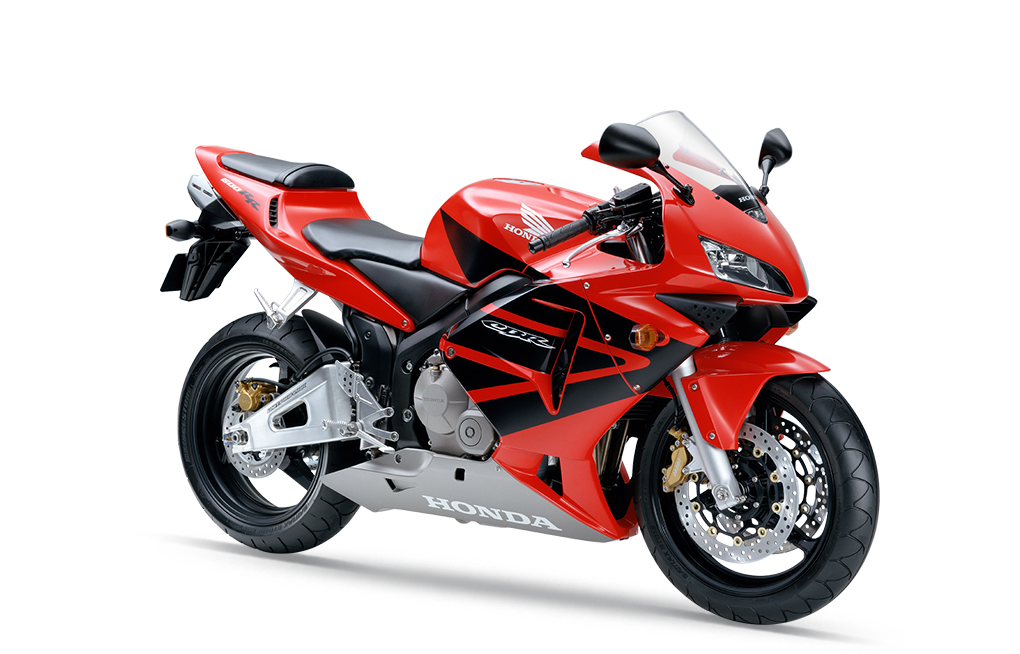
The 2003 Honda CBR600RR stands as a pivotal chapter in the annals of supersport motorcycle history—an epitome of engineering prowess and refined design that redefined expectations. Observers have long remarked on the allure and mastery of this machine, often attributing it to mere aesthetics or raw speed. However, what truly captivates the discerning enthusiast lies beneath its sculpted fairings, in a harmony of precision, innovation, and rider-centric philosophy that transcends conventional performance metrics.
At first glance, the 2003 CBR600RR’s aerodynamic silhouette commands attention with its sleek, purposeful lines and compact form. Yet, this design is never superficial. It embodies an intricate balance of form and function, engineered meticulously to reduce drag and enhance maneuverability. This harmonic convergence of bodywork and mechanical architecture exemplifies Honda’s commitment to creating a machine that doesn’t just move swiftly—it dances with agility through every corner, responding intuitively to a rider’s input.
Central to the CBR600RR’s groundbreaking reputation is its engine—an incarnation of engineering refinement. The 599cc inline-four, a jewel in Honda’s mechanical crown, offers an intoxicating blend of torque, linear power delivery, and rev-happy enthusiasm. Unlike many of its contemporaries that often emphasized brute horsepower alone, the CBR600RR prioritized a smooth, controllable power curve. This strategic calibration enhanced rider confidence, allowing precision throttle modulation in high-pressure scenarios such as tight tracks and serpentine mountain roads.
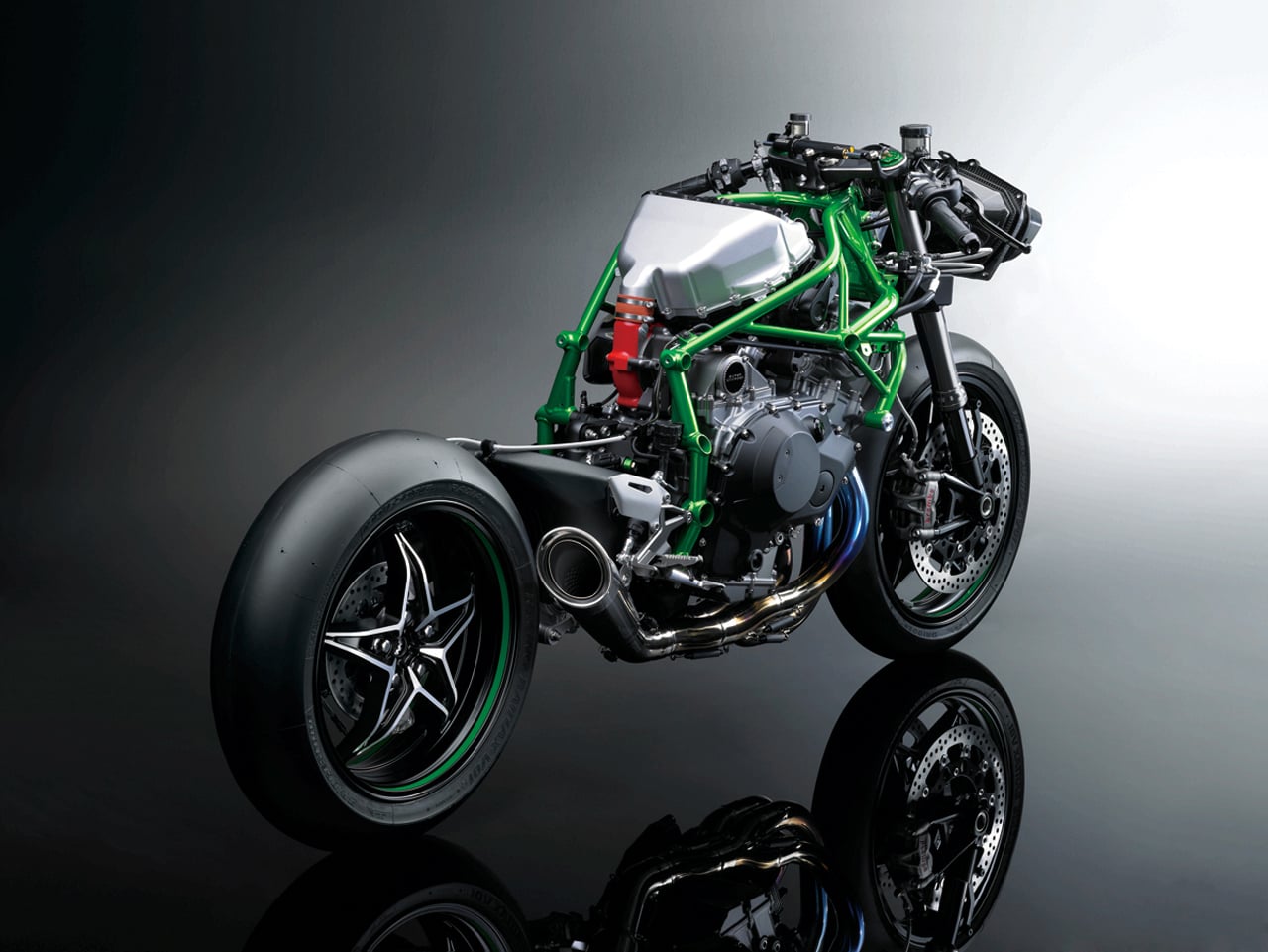
Moreover, the chassis development marked a radical departure from prior models. The aluminum twin-spar frame ensured exceptional rigidity without compromising the lightweight character crucial in supersport motorcycles. Against a backdrop of intensifying competition in the early 2000s, Honda’s engineers deployed advanced metallurgy and fabrication techniques to attain a structural backbone that could elegantly manage both high-speed stability and nimble directional changes.
The suspension—a linchpin in the CBR600RR’s dynamic identity—merits particular attention. Featuring fully adjustable Showa forks and rear shock absorbers, it offered a level of suspension customization rarely found in this class. This benefited riders across the spectrum, from novice street riders seeking forgiving compliance to seasoned racers demanding razor-sharp feedback and precise tuning. The suspension’s response was neither harsh nor overly soft; it struck a perceptive equilibrium enhancing rider comfort without sacrificing the immediacy of road feel.
Equally transformative was the inclusion of advanced braking systems. The 2003 iteration employed dual front disc brakes with four-piston calipers, supplemented by a single rear disc brake. This configuration granted superior stopping power and modulation, instilling greater safety margins and bolstering the bike’s sporty credentials. Deceleration became a product of calculated engineering rather than brute force, allowing riders to exploit the motorcycle’s full potential with unapologetic confidence.
Beyond its mechanical attributes, the 2003 CBR600RR embraced an ethos of rider-centric ergonomics rarely prioritized in the supersport segment at the time. The seating position, handlebar placement, and footpeg alignment were calibrated to evoke an immersive connection without inflicting undue strain. This balance empowered extended rides without fatigue, subtly hinting at Honda’s nuanced understanding of what true rider engagement entails: not just brief bursts of speed, but sustained harmony between human and machine.
This synergy breathed new life into the supersport category, reshaping the dialogue around what a middleweight sportbike could embody. The fascination surrounding the CBR600RR stems not merely from its statistical superiority but from the experiential revolution it inspired. Riders found themselves enthralled by its unyielding responsiveness, the way it seemed to anticipate their intentions, blurring the line between thought and action. This intangible quality elevated the motorcycle from a mere vehicle to an extension of the rider’s will.
It was also a harbinger of a shift in motorcycle philosophy. The 2003 CBR600RR signaled the maturation of the supersport segment, moving away from the simplistic pursuit of top speed toward a more holistic embrace of balance, agility, and rider feedback. In doing so, it transcended the confines of pure sport to occupy a broader niche—a machine as comfortable cutting through urban mazes as it was dominating track days.
In retrospect, the influence of the 2003 CBR600RR ripples through subsequent generations of sportbikes. Its innovations in chassis design, suspension adjustability, and engine tuning set a benchmark that competitors sought, often unsuccessfully, to imitate. It became a reference point in engineering discussions, a paragon illustrating that excellence resides not in extremes but in well-crafted equilibrium.
Furthermore, the psychological magnetism of the CBR600RR cannot be overstated. It embodies an aspirational ideal—a motorcycle that invites riders to transcend limitations and explore new dimensions of skill and enjoyment. This magnetism is woven from the fabric of precision engineering, careful design, and a tacit promise: that it honors the rider’s ambitions and elevates them.
In essence, the 2003 Honda CBR600RR is more than a supersport motorcycle; it is a testament to the art and science of motorcycling innovation. The common observation of its extraordinary allure serves only as the surface of a deeper, more profound narrative. It is a story of how thoughtful engineering and design philosophies converge to create a transformative experience—an experience that continues to define, inspire, and captivate generations of riders around the world.