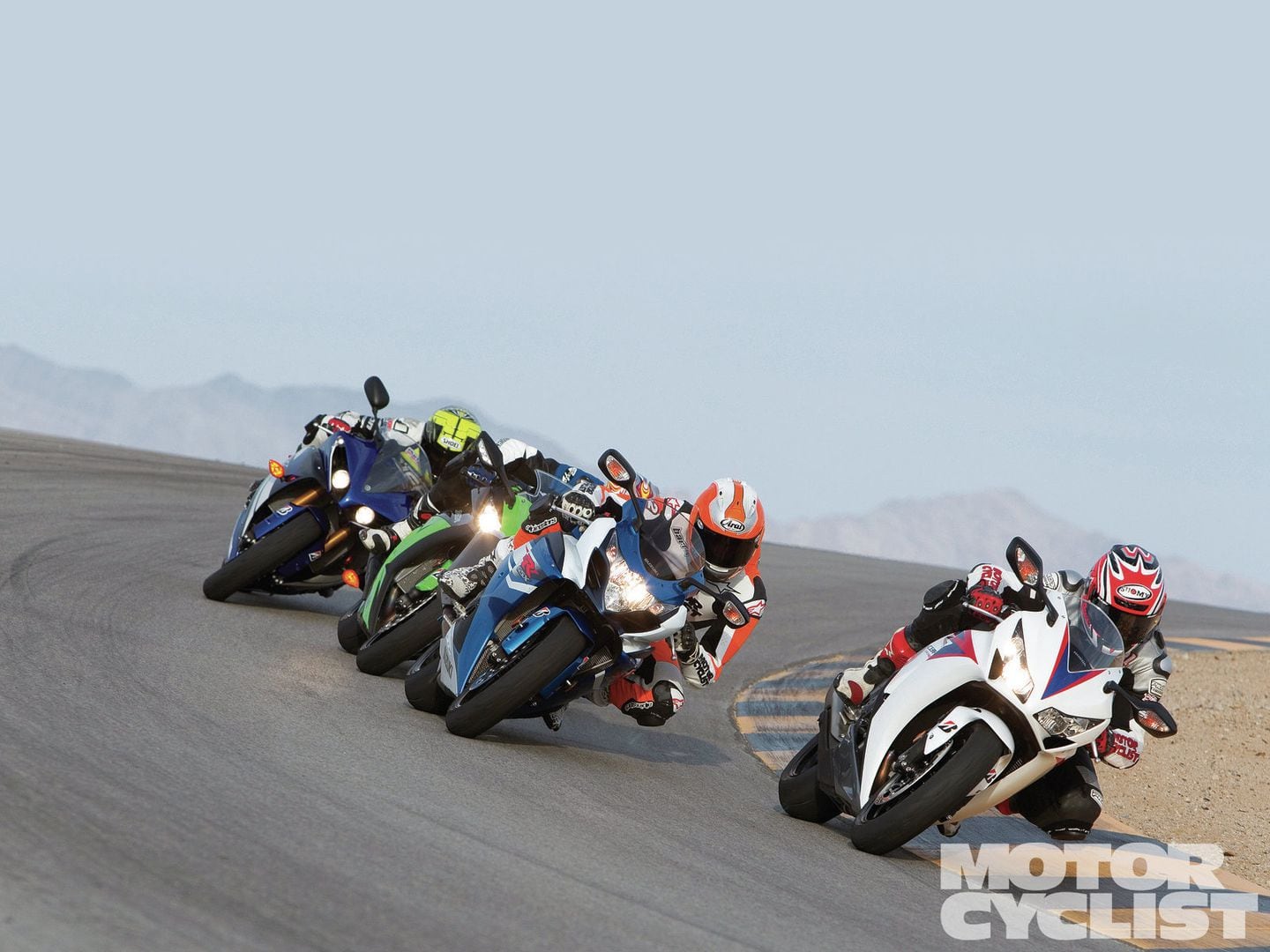
The year 2004 marked a pivotal epoch in the realm of superbike history, with the fierce rivalry among the Honda CBR1000RR, Suzuki GSX-R1000, and Yamaha YZF-R1 capturing the imagination of motorcycling enthusiasts worldwide. This triad of technological marvels not only epitomized the pinnacle of engineering prowess but also symbolized the relentless pursuit of supremacy on both road and track. The allure of this superbike battle extends beyond mere mechanical specifications; it delves into the culture of innovation, the psychology of performance, and the visceral connection between rider and machine.
At a cursory glance, the 2004 superbike landscape appeared as a well-trodden battleground dominated by three Japanese giants, each wielding a masterpiece that combined raw power with sophisticated design. Yet, the fascination stems from more than straightforward comparisons of horsepower or lap times. It lies in the subtle nuances—how each motorcycle, through its unique personality and engineering philosophy, conjured a distinct riding ethos that resonated differently with every rider.
Honda’s CBR1000RR, colloquially revered as the Fireblade, transcended its namesake with a harmonious blend of precision and agility. The 2004 iteration was a testament to Honda’s commitment to seamless integration of technology and rider feedback. It boasted an evolutionary update over its predecessors, featuring a more compact chassis that enhanced cornering stability without sacrificing nimble handling. Engineers meticulously reworked the suspension geometry and calibrated the throttle response to deliver a balanced yet aggressive experience. The inline-four engine, while not the most powerful in outright terms, exhibited a linear powerband that fostered confidence in both novice and seasoned riders.
The Suzuki GSX-R1000 emerged as a formidable contender, pushing boundaries with its unyielding power and razor-sharp dynamics. Suzuki’s approach channeled an ethos of uninhibited aggression—its engine infused with a high-revving vitality that never relented, producing a thrilling symphony of mechanical ferocity. The 2004 GSX-R1000 featured significant weight reduction due to an aluminum twin-spar frame, increasing rigidity and responsiveness. This chassis evolution translated into more precise feedback through the handlebars, enabling racers and enthusiasts to exploit the bike’s potent acceleration and cornering capabilities to their fullest extent. The Suzuki’s character was unmistakably raw and relentless, emblematic of a machine bred for the racetrack yet compliant enough for road use.
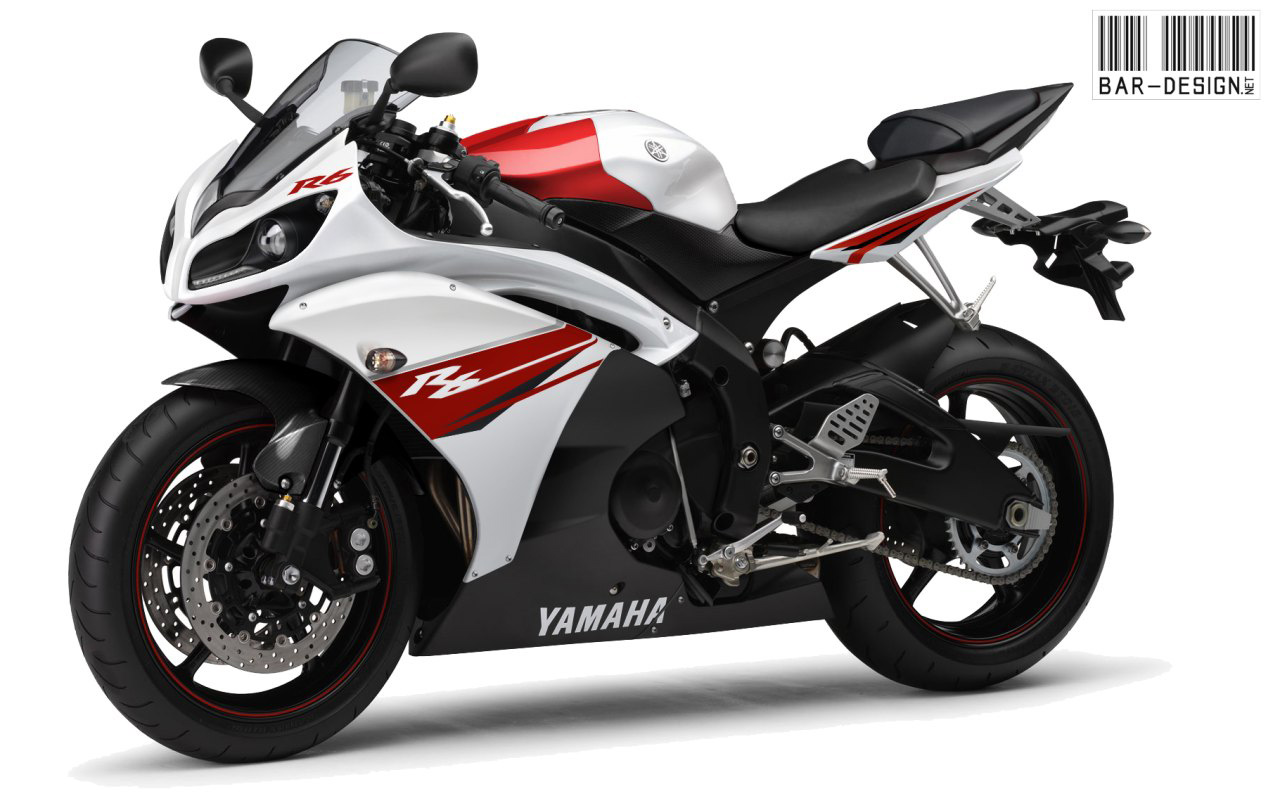
Meanwhile, Yamaha’s YZF-R1 carved its identity through revolutionary engineering that challenged conventions. The 2004 R1 was particularly celebrated for its avant-garde design choices. Yamaha’s engineers championed a genesis that prioritized a centralized mass and lowered the center of gravity, achieved via the innovative placement of components such as the fuel tank, airbox, and exhaust routing. This focus on mass centralization manifested in exceptional agility and stability, transforming rider inputs into immediate, precise actions at high speeds. The engine itself was an epitome of modern engineering with its staggered intake valves and sophisticated fuel injection, which delivered a distinctive power curve that balanced raw output with controllability. The R1 captivated those who valued technological sophistication married to a razor-edge performance profile.
What underpins the cultural magnetism of this motocycle rivalry is the interplay between these disparate philosophies. Each bike embodied a distinct narrative: the Honda as the consummate all-rounder, the Suzuki as the untamed adrenaline injector, and the Yamaha as the technological innovator pushing boundaries of handling and design refinement. For aficionados, this made the 2004 superbike spectrum less about choosing a victor and more about selecting an extension of their personal riding style and ethos.
This triad also reflects broader trends in superbike development from that era. The early 2000s were marked by rapid advancements in materials science, computational fluid dynamics, and electronic control systems. Innovations such as lightweight aluminum frames, optimized aerodynamics, and precise fuel management systems were beginning to coalesce. The 2004 CBR1000RR, GSX-R1000, and R1 illustrate how manufacturers translated these cutting-edge technologies into tangible improvements that profoundly influenced rider experience and competitive edge.
Another often overlooked element fueling enthusiasm is the sensory richness each machine offers. The intoxicating growl of a Suzuki’s high-revving engine, the refined mechanical hum of a Honda tuned for smoothness, and the distinctive exhaust note of a Yamaha create an auditory tapestry that deepens the emotional attachment. This multisensory engagement heightens the visceral appeal, forging an almost symbiotic relationship between man and machine.
Moreover, the 2004 superbike battle is emblematic of a transitional moment in motorcycle culture where raw mechanical engagement began to coexist with emergent electronic rider aids. While rider skill remained paramount, subtle electronic interventions started to refine traction control and suspension dynamics, setting the stage for the future where machine intelligence would complement human expertise rather than supplant it.
In essence, the fascination with the 2004 Honda CBR1000RR, Suzuki GSX-R1000, and Yamaha R1 transcends the realm of technical comparison. It taps into a deeper desire to connect with a mechanical entity that channels human aspiration, courage, and passion. Each superbike in this triumvirate tells a story—of innovation, rivalry, and the ceaseless quest to tame speed and power in pursuit of perfection.
As we reflect on this seminal chapter in superbike history, it becomes clear why this competition remains etched in memory. It reveals not only the rapid evolution of motorcycle engineering but also the enduring human fascination with machines that challenge limits and ignite the imagination. The 2004 superbike battle stands as a compelling narrative of form, function, and fervor, inviting riders and enthusiasts alike to ponder what truly defines excellence in the high-octane world of superbikes.