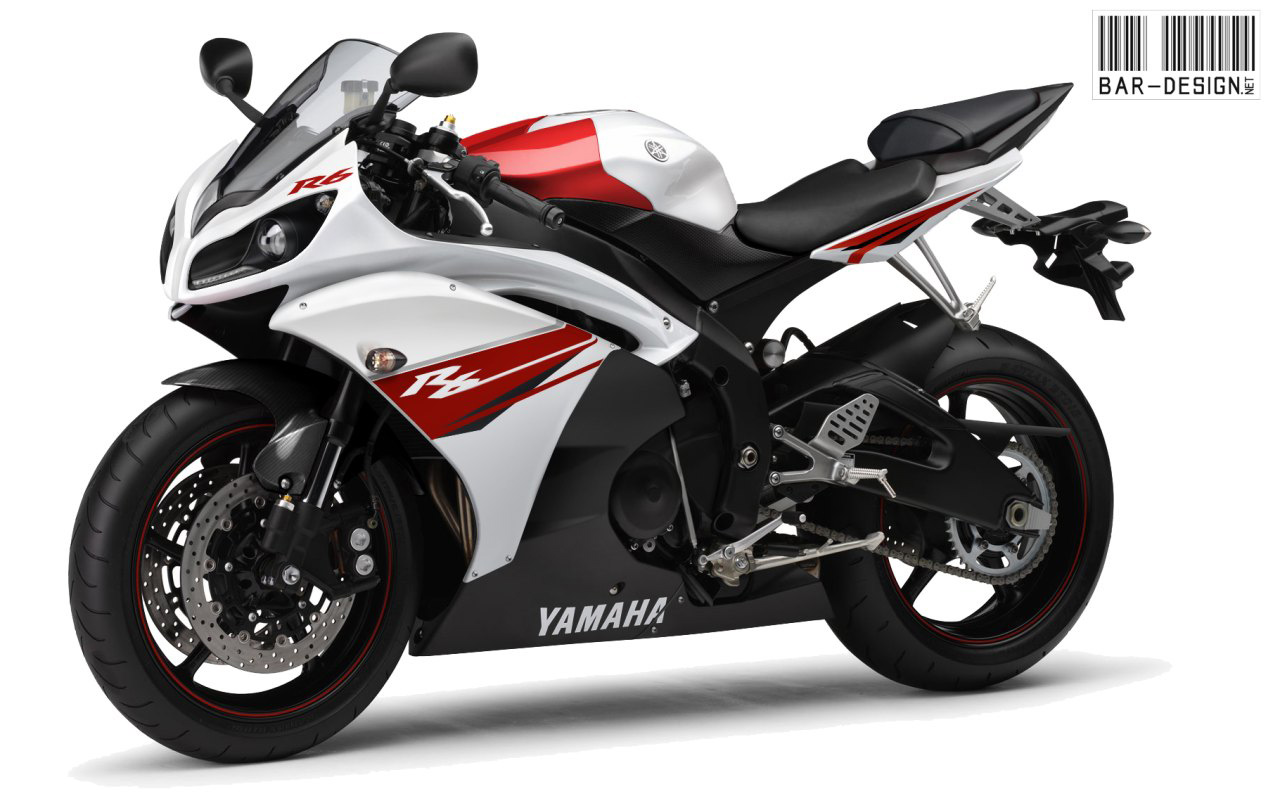
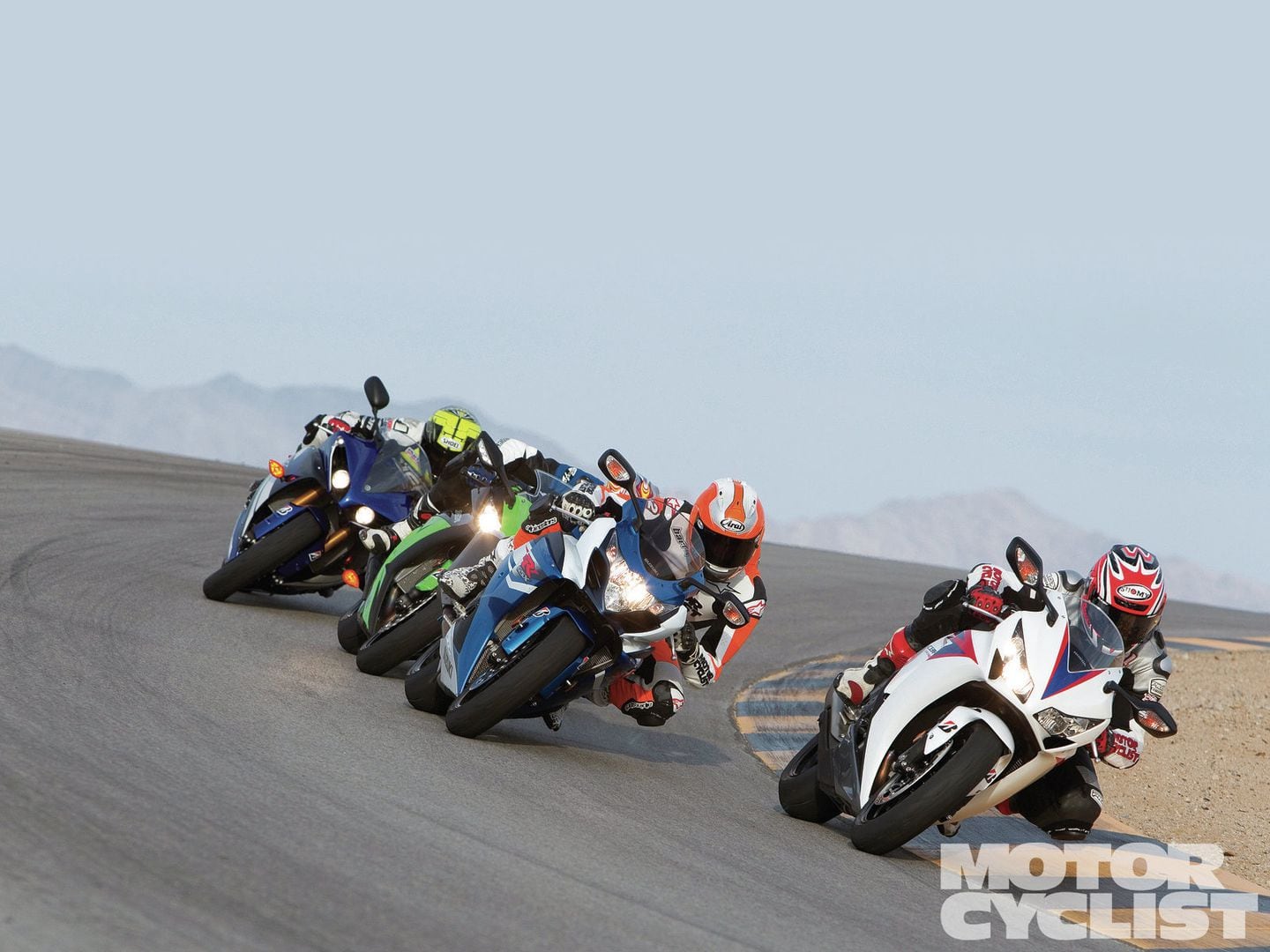
The 2007 superbikes hold a distinctive place in motorcycle history. Unlike the technologically sophisticated machines dominating today’s racetracks and streets, these machines are often regarded as possessing a more visceral, unfiltered riding experience. There is an undeniable rawness embedded in their very essence, a quality that modern superbikes seem to have tempered with layers of refinement and electronic intervention. Exploring why the superbikes of 2007 feel more raw than their contemporary counterparts reveals a fascinating evolution—one shaped by engineering philosophies, regulatory pressures, and rider engagement. This article delves into those factors, providing insight into the textures and sensations that make 2007 superbikes uniquely captivating.
The first and most palpable difference lies in the mechanical simplicity of the 2007 superbikes. Back then, the emphasis was heavily weighted toward pure engine performance and mechanical feedback. Riders felt the engine’s pulse directly through their hands and bodies—every vibration, every hiccup, and every resonant note from the inline-fours or V-twins transmitted without digital hesitation. Modern motorcycles, in contrast, utilize sophisticated engine management systems and ride-by-wire throttles that smooth out performance curves and mitigate the rough edges. In 2007, the absence of such extensive electronic mediation allowed for a more intimate connection between rider and machine. It was less about perfection and more about authenticity.
Fuel injection systems in 2007 were still relatively primitive compared to today’s standards. Although common, they lacked the advanced mapping capabilities and multiple ride modes that break down power delivery for variable conditions. Throttle response was more direct, sometimes brutally so, resulting in sudden surges of power that demanded skill and respect. This raw throttle characteristic fostered an environment where rider input dictated the machine’s behavior almost entirely, revealing flaws, exquisite nuances, and a mechanical personality that could not be replicated by calculated electronics. The risk and reward dynamic was heightened, offering a thrilling yet sometimes unforgiving ride.
Another compelling contributor to the rawness of 2007 superbikes is the comparatively rudimentary chassis and suspension technology. While substantial improvements had been made since earlier eras, the sophistication seen in today’s adjustable electronic suspensions, semi-active damping, and carbon-fiber reinforcements was in its infancy or nonexistent. Frame designs tended toward steel or aluminum alloys that, while robust, imparted more feedback and flex into the handling envelope. Riders perceived every undulation of the track, every abrupt change in traction, resulting in an inherently connected experience.
In addition, suspension components then, though advanced for the time, often required a fine balance of manual adjustments—preload, rebound, compression—that demanded thorough pre-ride tuning and ongoing attentiveness. Unlike modern superbikes that use electronically adaptive suspensions adjusting dynamically through microprocessors, 2007 models relied entirely on mechanical settings. This limitation forced riders and mechanics to develop an intimate understanding of the subtleties involved, thereby enhancing the bond between machine and human.
The braking systems on 2007 superbikes also contributed to their elemental feel. Though powerful disc brakes equipped those machines, anti-lock braking systems (ABS) were either rudimentary or absent altogether. This lack of electronic safety nets meant riders had to master brake modulation with precision to avoid lockups or dangerous skids. Braking was an exercise in anatomy and reflex; the feedback from the calipers and pads directly transmitted to the rider’s hands underscored the tactile relationship between man and machine. The confidence and control gleaned from this experience remain hard to duplicate in today’s electronically cushioned braking environments.
Fuel tank and bodywork design further enhanced the raw feel. The 2007 superbikes often featured aggressive, angular aesthetics coupled with ergonomics that prioritized rider engagement over pure comfort. Riders were hunched aggressively forward, elbows high, knees tightly gripping the tank. Unlike the modern trend toward aerodynamically optimized but sometimes ergonomically soft designs, these machines demanded involvement—a constant negotiation of balance and weight transfer that reminded riders of the motorcycle’s raw mechanical might. The directness in posture and minimalistic instrumentation panels kept rider attention laser-focused on the road and machine feedback.
The auditory landscape of 2007 superbikes cannot be overlooked as an essential ingredient in their raw character. Exhaust systems during this period were generally less regulated and quieter than those seen today, permitting freer breathing and throatier tones. The triumph of metallic rasp, intake breath sounds, and the rhythmic pulse of pistons defined the sensory cocktail of a ride. Contemporary superbikes operate under stricter noise and emission standards, often sacrificing auditory excitement for compliance. This sonic austerity diminishes a sensory dimension that once complemented the raw mechanical feedback, making the experience more sterile and detached.
Moreover, the control allocation on 2007 superbikes offered fewer electronic aids than modern models, which now abound with traction control, wheelie control, stability management, launch control, and multiple riding modes. While these systems undeniably increase safety and lap times, they simultaneously insulate riders from the machine’s intricacies. In 2007, the rider bore full responsibility to harness the mammoth power and manage the motorcycle’s wild tendencies. The absence of these aids engendered an elevated sense of agency, exposing riders to the machine’s untamed qualities and creating a sense of primal accomplishment upon mastery.
In terms of cultural and psychological factors, 2007 superbikes visit a time when motorcycling emphasized raw enjoyment over digital perfection. It was an era immersed in the tactile joys of mechanical engineering—a handshake between human skill and metal craft. The motorcycles symbolized rebellion and adventure, where imperfections were badges of authenticity rather than flaws to be smoothed out. This mindset heightened appreciation for the rawness inherent in the experience and fostered communities deeply engaged with the mechanical nuances.
In conclusion, the rawness of 2007 superbikes compared to today’s machines is the result of a confluence of mechanical, technological, and cultural dynamics. The absence of overbearing electronics, the primal mechanical feedback, less restrictive design parameters, and the reliance on rider skill all combined to produce an intensely connected and exhilarating ride. While modern superbikes shine in precision, safety, and performance optimization, they often do so at the cost of the untamed character threaded into the bikes of 2007. For many riders and enthusiasts, this rawness remains an irreplaceable jewel—one that continues to define the timeless allure of superbiking’s golden eras.