When evaluating classic motorcycles that have shaped the American road culture, the 1984 Harley-Davidson FXR and FXRT stand out as paragons of design ingenuity and mechanical prowess. Both models hold a revered status among enthusiasts, but they cater to slightly different rider profiles and riding scenarios. Diving into the nuances of the 1984 Harley FXR versus the FXRT reveals a captivating story of engineering choices, rider comfort, and stylistic expression that invites a detailed exploration.
The 1984 Harley FXR serves as an archetype of Harley-Davidson’s commitment to innovation during an era of transition. Engineered with a focus on delivering a balanced combination of performance and handling, the FXR chassis was a significant evolutionary step away from the older, heavier frameworks traditionally seen in Harley’s lineup. The FXR frame incorporated a reliable steel perimeter design that was stiffer and lighter than earlier models, resulting in enhanced agility and stability on a variety of road surfaces. This design not only improved cornering capabilities but also increased rider confidence during spirited rides. The FXR was renowned for its smooth power delivery emanating from the Evolution V-twin engine, which produced around 55 horsepower – a respectable figure that melded longevity with spirited acceleration.
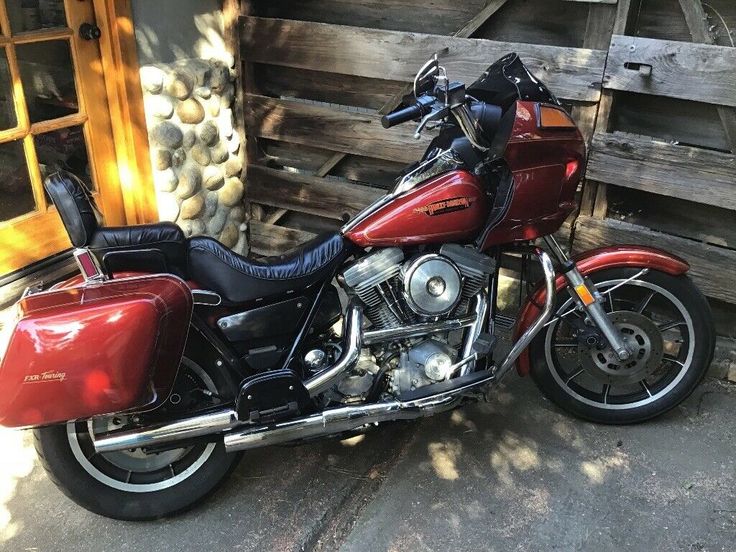
In contrast, the 1984 FXRT was a variant of the FXR introduced to appeal to riders desiring the practicality of a sport-tourer without sacrificing the raw Harley-Davidson character. At a glance, the FXRT was distinguished by its distinctive full-fairing design—an aerodynamic shell that cloaked the bike’s front end and enhanced the long-distance riding experience by reducing wind fatigue. This fairing was not merely aesthetic but a functional innovation aimed at carving through the air and protecting the rider from inclement weather and road debris. The FXRT also featured integrated saddlebags, amplifying its touring capabilities, a boon for riders who preferred to embark on extended journeys without the encumbrance of additional luggage accessories.
One cannot discuss these motorcycles without delving into the subtle yet impactful ergonomic differences. The FXR, with its minimalist design, allowed for a more connected feel to the road, appealing to purists who favored a raw riding experience. The seating position was relatively upright, accompanied by mid-mounted foot controls that offered precise feedback and control. While comfortable, it demanded a bit more from the rider on long hauls due to its restrained touring accommodations.
The FXRT, however, was ergonomically tailored to the touring enthusiast. The addition of the fairing shaped the cockpit differently, with handlebars positioned to reduce shoulder strain and foot controls that contributed to a relaxed riding posture. The plush seat design and the fairing’s wind protection meant that even multi-hour rides through diverse climates were less taxing, creating a more effortless journey for riders who valued comfort alongside performance.
The mechanical underpinnings of both models were nearly identical in core specification, featuring Harley’s signature Evolution engine—a displacement of 1340cc delivering a robust torque curve that cemented its reputation for reliability and ease of maintenance. Both bikes were equipped with a five-speed transmission, ensuring smooth power transitions across a wide range of speeds. Where the FXRT gained an advantage was in its suspension tuning, calibrated to optimize comfort over long distances, absorbing road imperfections with greater grace than the slightly sportier FXR.
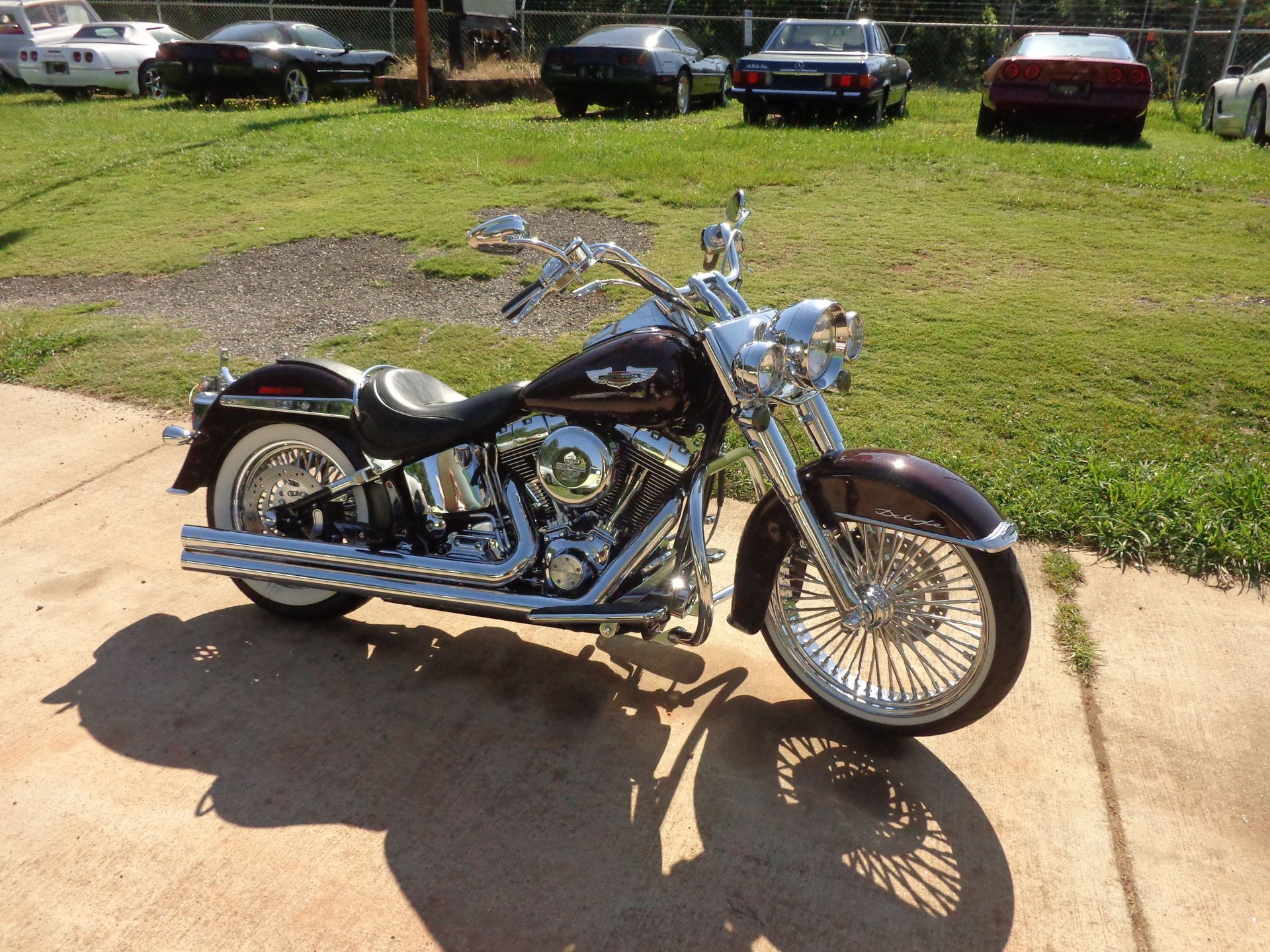
Stylistically, the two bikes also represented divergent philosophies. The FXR retained the classic Harley-Davidson naked cruiser aesthetic—exposed engine components, minimal bodywork, and a muscular yet unadorned silhouette that emphasized mechanical beauty. Its appeal lay in its simplicity and rawness, attracting riders who viewed motorcycles as a mechanical expression rather than a touring tool.
The FXRT, with its partially enclosed bodywork and integrated features, projected a more modern and purposeful image. Its fairing, which could be removed if desired, added a layer of versatility unmatched by many counterparts of its time. The saddlebags, mirroring the bodywork design and maintaining stylistic cohesion, blended utility with a distinctive presence on the road.
Understanding the different riding experiences offered by the FXR and FXRT inevitably involves considering the context of their use cases. The FXR, unencumbered and lively, is ideal for urban exploration and spirited weekend rides, offering nimble handling and a visceral connection with the motorcycle’s workings. It rewards riders who prioritize handling deftness and mechanical engagement over outright touring convenience.
The FXRT excels on long-haul tours and cross-country journeys, where wind protection, storage, and rider comfort are paramount. It is fundamentally a sport-tourer—combining the dynamic qualities of the FXR chassis with practical enhancements that diminish rider fatigue and facilitate extended travel. This makes it perfectly suited to those who want to traverse vast distances without surrendering the Harley-Davidson ethos of freedom and individuality.
Performance-wise, both motorcycles deliver an authentic Harley-Davidson experience characteristic of the early 1980s: a compelling blend of torque-rich power delivery, solid build quality, and aural presence that is unmistakably Harley. Given the shared engine and drivetrain configuration, performance differences are subtle and predominantly influenced by aerodynamics and weight. The FXRT’s additional bodywork adds some weight but compensates by improving high-speed stability, whereas the FXR’s lighter, unfaired design offers quicker directional changes and a more agile feel at lower speeds.
Maintenance and aftermarket support remain robust for both models, reflective of their enduring popularity among collectors and riders alike. The modular nature of the FXR platform encourages customization, and many enthusiasts apply their own finishes or upgrade components such as exhaust systems, suspension, and seats. The FXRT’s fairing and touring accessories have kept it in favor for practical upgrades aimed at enhancing comfort without compromising style.
Ultimately, the choice between the 1984 Harley FXR and FXRT hinges on what the rider values most—raw, unfiltered motorcycling versus refined touring capability. The FXR embodies a spirit of lightweight performance and traditional motorcycle aesthetics, while the FXRT offers a harmonious balance of comfort, utility, and protection suited for long-distance adventures. Both motorcycles reflect Harley-Davidson’s engineering evolution during a critical period and maintain a passionate following due to their distinctive attributes.
While the FXR invites riders to embrace the visceral thrill of open-air riding with nimble handling and classic styling, the FXRT extends an invitation for exploration beyond city limits, wrapped in aerodynamic protection and built-in storage solutions. Each commands its own corner of Harley lore and exemplifies how design nuances influence rider experience. Choosing which one rules the road is ultimately a subjective decision, shaped by individual riding aspirations and the kind of journey one seeks.