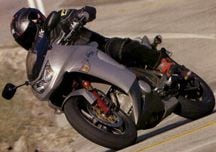
In the mid-2000s, the middleweight motorcycle category was defined by three compelling contenders: the Kawasaki Ninja 650R, Suzuki SV650, and Yamaha FZ6. Each of these models promised a blend of performance, versatility, and rider engagement, inviting enthusiasts to reconsider what a middleweight bike could truly offer. More than just machines, these motorcycles became symbols of evolving engineering philosophies and rider-centric design. This 2006 battle offers a fascinating lens through which to explore the subtle yet significant nuances that set these bikes apart, elevating the middleweight segment beyond mere numbers and specifications.
The Kawasaki Ninja 650R entered the fray with a distinct character. Known for its accessible power and nimble handling, the Ninja 650R represented Kawasaki’s strategic pivot toward a more versatile middleweight offering. With a liquid-cooled parallel twin engine displacing 649cc, it delivered a broad powerband that favored mid-range torque over blistering top-end speed. This made it eminently practical for both commuting and spirited weekend rides. Yet, what truly allowed the Ninja 650R to carve out its niche was its chassis dynamics. It combined a relatively lightweight frame with balanced suspension tuning, resulting in a motorcycle that felt agile yet planted through corners, inviting confidence without demanding rider acrobatics.
The design ethos of the Ninja 650R was both pragmatic and user-friendly. Unlike its fully faired sportbike brethren, it leaned slightly toward a semi-faired aesthetic that balanced aerodynamics with everyday usability. The ergonomics catered to a broad spectrum of riders by offering a comfortable upright seating posture—a contrast to the more aggressive crouch favored by dedicated sport motorcycles. This ergonomics setup alleviated fatigue during extended rides, making the Ninja 650R a compelling choice for those seeking a daily rider with sporting potential.
Conversely, the Suzuki SV650 was an unyielding champion of simplicity and purity in motorcycling. Powered by a 645cc V-twin engine, the SV650’s tonal character and torque delivery offered an immediate emotional connection rarely replicated in other middleweights. Its uncluttered styling echoed a naked bike philosophy that focused purely on rider engagement and mechanical honesty. The trellis-like frame, visible and integral to its visual identity, facilitated precise handling and feedback, allowing riders to feel intimately connected to the road.
One of the SV650’s most compelling attributes was its minimalist yet functional configuration. Without extensive fairings or electronic aids, the bike encouraged riders to sharpen their skills and fully appreciate the nuances of throttle control and chassis balance. This approach positioned the SV650 as a quasi-instructor on two wheels, perfect for novices and experienced riders alike who favored a no-nonsense relationship with their motorcycle.
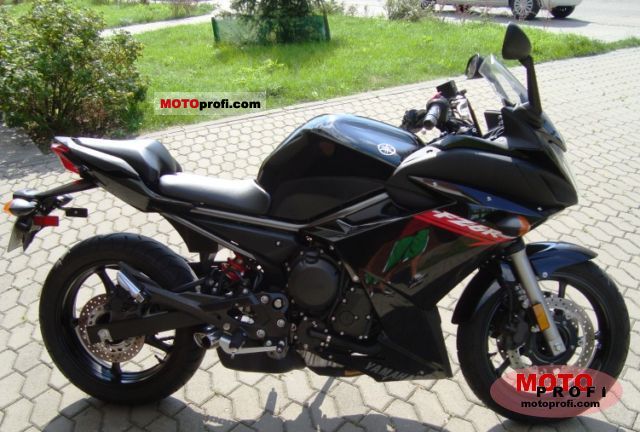
In stark contrast, the Yamaha FZ6 embodied a technological evolution within the middleweight sector. Devoid of aggressive race-bike styling, the FZ6 adopted a standard naked form factor, tailored for versatility and everyday riding prowess. Beneath its modest visage lay a robust 600cc inline four-cylinder engine derived from Yamaha’s sporty R6 platform, retuned for smoother power delivery and better tractability. This blend yielded an engine that could rev aggressively but was also manageable at lower speeds, offering a comprehensive powerband that catered to a broad riding envelope.
The FZ6’s chassis and suspension set new benchmarks for ride quality in the category. Designed with more sophisticated, adjustable components compared to its rivals, it excelled in both comfort and control. This made the FZ6 impressively adept at long hauls and city maneuvering alike, providing a polished, mature ride experience rarely matched by its competition at the time. Furthermore, ergonomics favored rider comfort without compromising the sporty edge—an especially appreciated trait for riders transitioning from beginner to intermediate skill levels.
Comparing these three motorcycles reveals a fascinating spectrum of priorities and philosophies that hint at a nuanced evolution within the middleweight class. The Ninja 650R’s dual-sport versatility and balanced performance beckon the pragmatic rider, those who seek an equable balance between everyday utility and athletic character. The SV650’s raw, elemental nature appeals to purists and those who cherish mechanical simplicity paired with a spirited V-twin soundtrack. Meanwhile, the FZ6 manifests a refined synthesis of race-inspired technology and rider-centric comfort, targeting those who desire the best of both worlds.
While horsepower figures might suggest a clear hierarchy—especially given the FZ6’s potent inline four-cylinder configuration—real-world riding experience tells a more intricate story. It’s in the way power is delivered, the responsiveness of suspension, the ergonomics, and even the sound that shapes the rider’s relationship with the bike. The Ninja 650R’s torque-rich twin makes it an almost versatile commuter-warrior. The SV650’s lively V-twin encourages an intuitive and emotional ride, while the FZ6 offers an accessible gateway into sports performance without exacting a punishing riding position. These distinctions suggest that the “best” middleweight is less about raw metrics and more about the subjective alchemy of rider preference and intended use.
Moreover, the 2006 lineup embodies the dynamic crossroads at which motorcycling stood at the time—a blend of traditional mechanical simplicity and emerging technological sophistication. While none of these bikes represented the zenith of their respective technical possibilities, they collectively formed a triad that broadened the appeal of middleweight motorcycles, inviting riders to rediscover their passion through different lenses.
In retrospect, the 2006 battle among the Kawasaki Ninja 650R, Suzuki SV650, and Yamaha FZ6 presaged trends that continue to influence today’s motorcycle market: the pursuit of multifaceted machines that refuse to be pigeonholed into rigid categories. Their legacy highlights an important lesson—motorcyclists are as varied as the roads they travel, and the best machines are those that resonate deeply with the distinct desires and identities of their riders.
As one steps back from technical specifications and marketing rhetoric, it becomes evident that this middleweight battle was less about determining a singular winner and more about expanding the spectrum of motorcycling possibility. Each bike offers a unique invitation to explore the road, to challenge personal limits, and to savor the rich tapestry of motorcycling culture. In embracing these differences, riders are compelled to shift perspective, recognizing that the essence of middleweight motorcycling lies not just in speed or power, but in the profound connection between human and machine.
In conclusion, the 2006 Ninja 650R, SV650, and FZ6 collectively redefined expectations in the middleweight motorcycle class, marrying accessibility with personality, performance with comfort, and tradition with innovation. For those willing to look beyond the surface, this trio promises more than transportation—they offer invitations to rediscover the exhilarating and multifaceted nature of riding itself.