The late 1990s represent a captivating epoch in the realm of motorcycle design and culture. This period, poised at the cusp between the analog nostalgia of previous decades and the burgeoning digital revolution, produced machines that were not merely modes of transport but rather profound expressions of identity, freedom, and technological aspiration. The fascination with motorcycles from this era transcends their mechanical specifications; it is rooted in an almost alchemic blend of form, function, and cultural symbolism that continues to captivate enthusiasts and collectors alike.
One cannot delve into the coolest motorcycles of the late 90s without acknowledging the sweeping stylistic revelations that defined this period. The evolution of motorcycle aesthetics during these years was marked by an intriguing fusion of retro inspirations and futuristic innovations. Designs drew heavily from the 80s exuberance and early 90s minimalism while introducing burgeoning advances in engineering and materials. The result was a diverse array of machines that felt both familiar and pioneering — embodying a transitional zeitgeist.
Among the quintessential motorcycles emblematic of this era was the Honda CBR900RR Fireblade. Launched in 1992 but refined continually through the 90s, the Fireblade redefined sportbike benchmarks. Its revolutionary emphasis on lightweight construction coupled with razor-sharp handling made it an instant favorite among riders who valued agility as much as power. The Fireblade’s design philosophy was revolutionary; it championed the belief that a sports motorcycle’s essence lay not merely in brute horsepower but in a symbiotic balance of speed, control, and rider feedback.
Alongside the Fireblade’s prowess, the Yamaha YZF750R emerged as a symbol of racing pedigree adapting to street sensibilities. Its homologation roots in World Superbike racing endowed it with genuine performance DNA. The sleek, aerodynamic lines of the YZF750R cast a silhouette that was both aggressive and elegant, capturing the essence of track-ready machines ready for open-road adventures. This model’s popularity illuminated a deep-seated yearning among riders for motorcycles that melded competitive dynamics with everyday usability.
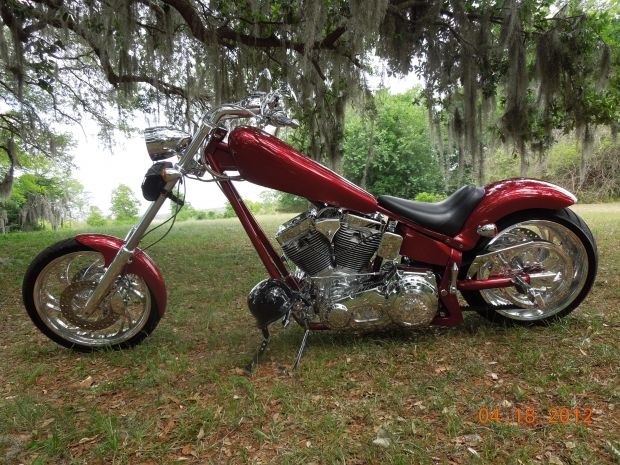
However, the 1990s were not solely defined by sportbikes; the cruiser category experienced its own renaissance, most notably with the Harley-Davidson Fat Boy. This machine, immortalized by its muscular stance and solid-disc wheels, embodied low-slung American power imbued with a certain classic gravitas. The Fat Boy’s design harks back to traditional cruiser aesthetics yet its 90s incarnation also spoke to an evolving motorcycle culture that embraced individuality and rebellion, evincing a tactile connection between rider and road that few machines could replicate.
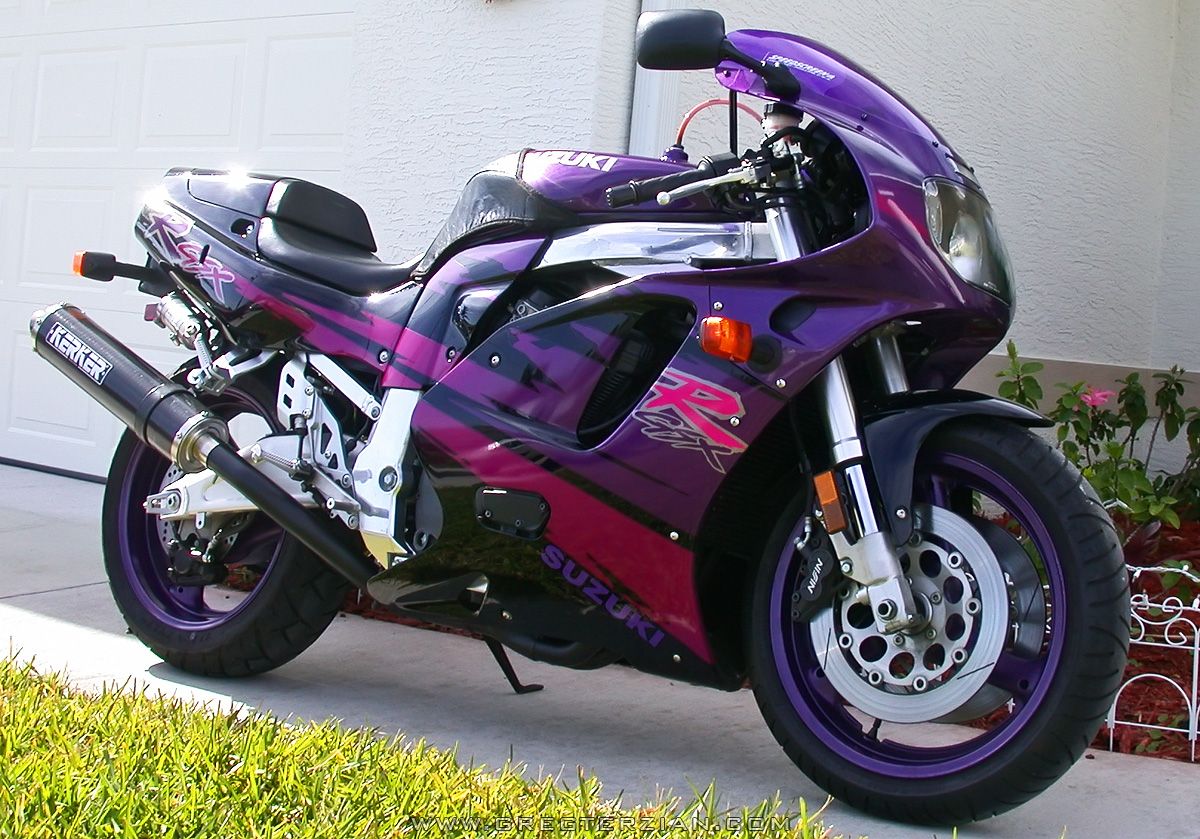
Meanwhile, the emergence of the Suzuki GSX-R750 solidified the place of high-performance sportbikes in the late 90s landscape. Known affectionately as the “Gixxer,” this motorcycle epitomized cutting-edge engineering with a focus on lightness, precision, and speed. It not only impressed through racing success but also through its usability as a sleek, responsive street bike. The GSX-R750’s innovation lay in its trailblazing approach to chassis dynamics and aerodynamics, showcasing how motorsport technology had trickled down to production vehicles during this era.
In parallel, the Ducati 916 carved its niche, perhaps one of the most aesthetically audacious motorcycles of the decade. The 916 was a spectacular convergence of artistry and engineering, boasting innovative features like under-seat exhausts and trellis frames, which captured attention far beyond the traditional motorcycle community. Its aggressive yet sensuous silhouette resonated emotionally with riders and admirers, highlighting a period where style became an inseparable facet of a motorcycle’s identity.
The distinct allure of late 90s motorcycles is further illuminated when considering the cultural and technological context of the time. This was a decade where riders and manufacturers alike negotiated between the analog world of tactile control and the nascent digital interventions — such as early fuel injection systems and rudimentary electronic aids — that began to subtly influence motorcycle performance and rider experience. The blend of mechanical simplicity with selective electronic enhancements created machines that demanded respect and skill, fostering a purist engagement between rider and machine that many aficionados still lament.
The intrinsic fascination with motorcycles from the late 90s also stems from their representation of freedom against a backdrop of rapid globalization and technological upheaval. They were not just tools but totems of independence, rebellion, and identity formation in an increasingly homogenized world. These motorcycles symbolized a yearning to grasp the visceral thrill of the open road in an age that was beginning to be defined by screens and virtual interfaces. It is this deep-rooted emotional narrative that elevates the coolest motorcycles of the late 90s beyond mere machines to legendary cultural artefacts.
Furthermore, the late 1990s motorcycles appeal to a sophisticated sensibility that values both innovation and heritage. Bikes from this era exhibit a refined synthesis of engineering refinement and stylistic bravado. They often eschewed the excessive electronic crutches beloved by the 21st century, favoring an unmediated riding experience laced with mechanical feedback and rider agency. This balance of tradition and modernity explains why these motorcycles enjoy not only nostalgic reverence but also modern-day admiration in restoration communities and vintage motorsport circles.
In conclusion, the coolest motorcycles of the late 1990s encapsulate an era of transition, innovation, and evocative styling. They embody a compelling narrative that intertwines technological progress with a profound human desire for freedom, self-expression, and mastery over machine. Each model from this remarkable decade tells a story – of evolving design philosophies, emergent technical achievements, and deeply embedded cultural values. It is in these layered stories that their enduring appeal and timeless coolness reside, ensuring that the motorcycles of the late 90s remain provocateurs of admiration and collectors of reverence well into the future.