In the ever-evolving landscape of motorcycling, certain years stand out as seminal moments—eras where innovation, craftsmanship, and cultural resonance converge to create machines that transcend mere transportation. The 2003 to 2004 motorcycles are rapidly emerging as such icons, captivating collectors and enthusiasts alike. These two years, often overlooked in the rush for the newest releases, are now being heralded as a golden era, promising not just nostalgia but a profound shift in how motorbikes are appreciated, preserved, and valued.
At first glance, early 2000s motorcycles might appear as relics overshadowed by more modern technology. However, a deeper exploration reveals a rich tapestry of engineering prowess and aesthetic refinement. The motorcycles from 2003 and 2004 symbolize a bridge—a nexus where analog precision met burgeoning digital enhancements. This intersection has bestowed these machines with a character that blends tactile mechanical engagement with reliability and early electronic sophistication, an alluring combination for the discerning collector.
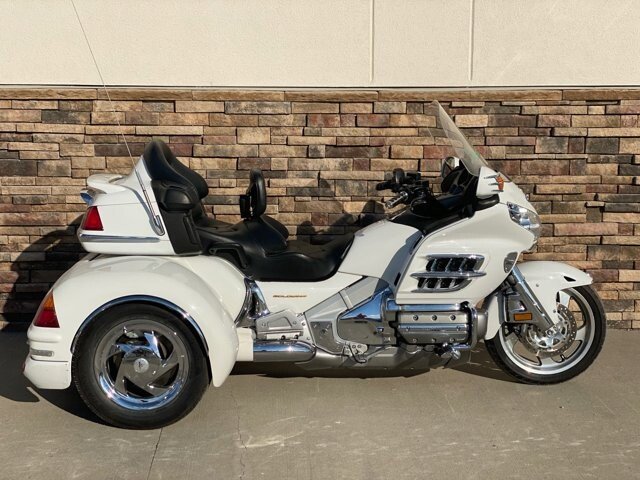
One of the pivotal reasons these motorcycles are ascending collector ranks lies in their distinct design philosophies. The early 2000s witnessed manufacturers balancing aggressive performance with emerging trends in ergonomics and rider comfort. Take, for instance, the 2004 Honda Gold Wing. Beyond its reputation for long-distance touring comfort, this iteration showcased a masterful integration of power, stability, and technological features that were ahead of their time. Its inline-six engine delivered a silky yet potent driving experience, framed in a chassis designed to master both highway cruising and curvaceous backroads alike.
Moreover, technological advancements during this period were subtle yet significant. Unlike today’s digital overkill, motorcycles from this era incorporated technology with restraint—early traction control systems, fuel injection upgrades, and refined suspension units elevated rider safety and machine performance without detracting from the visceral experience. This balance is precisely what captures the imagination of collectors who value authenticity and rider-machine connection over gimmicks.
The cultural zeitgeist of the early 2000s also played a pivotal role in shaping the allure of these motorcycles. This was a time when motorcycling began shedding some of its niche biker image, entering mainstream consciousness as a symbol of freedom, sophistication, and personal identity. These machines were not merely tools; they were statements. Owning a 2003-2004 model means holding a piece of history that reflects a unique chapter in motorcycling culture—one that combined increasing accessibility with a still-strong sense of exclusivity.
Diving into the aftermarket scene amplifies this phenomenon further. Parts for these motorcycles, while initially abundant, are progressively becoming scarce as models age and fewer pristine examples remain on the road. This scarcity drives appreciation, prompting enthusiasts to restore, preserve, and cherish these bikes as they would fine art. Restoring a 2003-2004 model is akin to reviving a mechanical symphony—where each component harmonizes to reproduce the original engineering intent, a task that carries both challenge and prestige.
It’s also important to consider the economic dimensions of this emerging collector interest. Unlike some classic motorcycles whose value remained stagnant for decades, these early 2000s motorcycles are demonstrating a rapid trajectory of appreciation. Their prices, once modest and accessible, have begun rising sharply, fueled by enthusiastic collectors eager to secure pieces of motorcycling heritage before the window narrows.
This appreciation is not merely monetary. Enthusiasts and historians emphasize the increasing cultural and educational value these motorcycles provide. They serve as living museums, offering insight into a pivotal moment in motorcycle evolution—just before the complete digital transformation took hold. Riding or even displaying a 2003 or 2004 model connects one to the tactile roots of motorcycling, where mechanical sound, vibration, and dynamic feedback engage the senses in ways that modern, fully computerized bikes cannot replicate.
Noteworthy is the rising community of aficionados who champion these motorcycles. Forums, clubs, and social media groups dedicated to 2003-2004 models are proliferating, fostering knowledge exchange and collective enthusiasm. This communal dimension adds intangible value, enriching ownership with camaraderie and shared discovery—an essential ingredient in the collector experience.
Even with these burgeoning claims to fame, these motorcycles remain accessible. They offer a compelling entry point for novices seeking to immerse themselves in the collector world without the prohibitive costs often associated with older vintages. Their relative mechanical simplicity compared to today’s hyper-electronics makes maintenance manageable for home mechanics, a factor that nurtures a hands-on relationship between rider and machine—an intimate dialogue rapidly diminishing in contemporary motorcycling.
Looking ahead, the trajectory for 2003–2004 motorcycles seems luminous. As more aficionados recognize their intrinsic worth, expect the market to mature, preservation efforts to intensify, and cultural appreciation to deepen. These models represent more than vehicles; they embody a moment in time where motorcycling paused, reflected, and evolved. Investing in one today is not merely acquiring a motorcycle but securing a fragment of history ripe with stories, innovations, and an enduring spirit of adventure.
In essence, these motorcycles from 2003 and 2004 are proving that collector gold isn’t always found in the distant past. Sometimes, it glimmers in the recent chapters of history, waiting patiently for curious eyes and passionate hands to unearth its brilliance. For those willing to look beyond the surface, these machines offer a transformative journey—one that enriches our understanding of motorcycling’s heritage while igniting anticipation for its future.