The International Motorcycle Show (IMS) isn’t just an event—it’s a pilgrimage for chopper enthusiasts, a crucible where raw craftsmanship collides with unbridled creativity. If you’ve spent months—or years—bending metal, polishing chrome, and perfecting the lines of your custom chopper, the IMS is your stage. But exhibiting isn’t just about parking your masterpiece in a sea of steel and rubber. It’s about storytelling, connection, and leaving an indelible mark on the collective consciousness of the motorcycle world. Here’s how to transform your chopper from a garage-bound dream into a show-stopping centerpiece that commands attention, sparks conversations, and maybe even sells itself.
The Art of the First Impression: Designing a Booth That Demands a Second Look
Your chopper is the star, but the stage must do it justice. A booth at the IMS isn’t just a 10×10 space—it’s a canvas where you paint an experience. Start with a theme that resonates with your bike’s soul. Is it a vintage cruiser with a rebellious streak? A futuristic beast with LED-lit accents? A minimalist masterpiece stripped of excess? Let that narrative guide your booth’s aesthetic. Use lighting to cast dramatic shadows, highlighting the chopper’s contours while creating an atmosphere that feels like a gallery exhibit rather than a trade show.
Incorporate tactile elements—polished aluminum, brushed steel, or even a vintage leather saddle—to invite visitors to touch, feel, and connect with the craftsmanship. Avoid clutter; every item should serve a purpose, whether it’s a brochure rack, a branded stand-up banner, or a small display table for merchandise. And don’t underestimate the power of scent. A subtle leather or motorcycle oil aroma can evoke nostalgia and draw people in before they even see your chopper.
Storytelling Through Specs: Crafting a Narrative Around Your Chopper’s DNA
A chopper isn’t just a machine; it’s a manifesto of your vision. But specs alone won’t captivate an audience. Weave a story around your build. Was it inspired by a 1970s café racer? Did you hand-forge the frame in your garage? Did the engine’s growl take years to perfect? Share these details in a concise, visually engaging format—perhaps a large infographic or a looping video playing on a tablet. Highlight the materials: Is the tank hand-beaten aluminum? Are the handlebars titanium? The more you reveal about the blood, sweat, and ingenuity behind the build, the more people will see it as more than just a bike—they’ll see it as a piece of art.
Consider creating a “build journal” display—a chronological timeline of the chopper’s evolution, from raw materials to the final ride. Include before-and-after photos, sketches, or even a QR code linking to a behind-the-scenes video. This transforms your booth from a static display into an interactive journey, one that invites visitors to step into your world.
The Human Element: Engaging Attendees Without the Hard Sell
People don’t buy chopper—they buy the story, the emotion, and the connection. Your job isn’t to pitch; it’s to converse. Train your booth staff to be ambassadors, not salespeople. Equip them with key talking points—your chopper’s unique features, the challenges overcome during the build, the inspiration behind its design—but encourage organic dialogue. Ask open-ended questions: “What draws you to this style of chopper?” or “Which part of the build are you most curious about?”
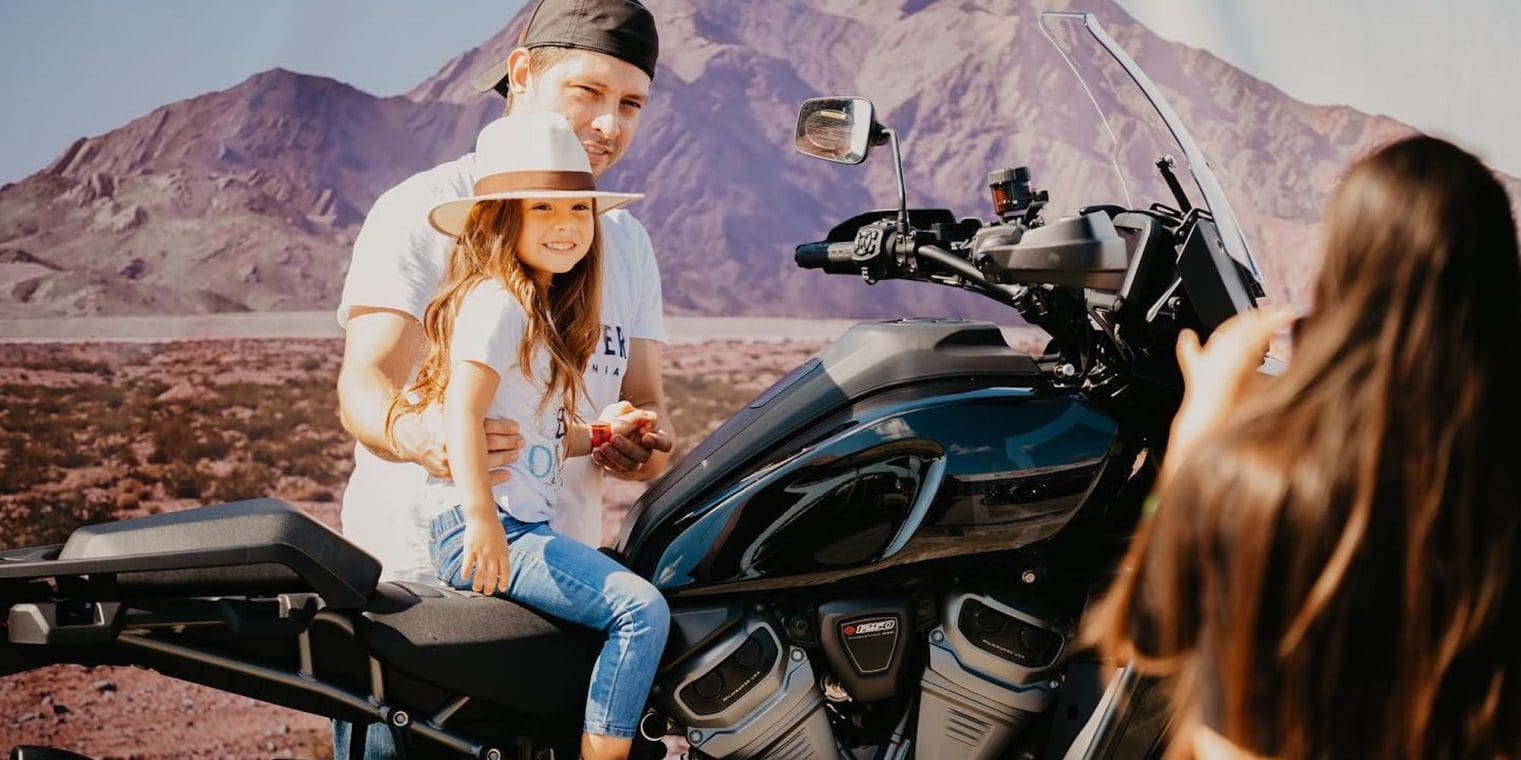
Offer a hands-on experience. Let visitors sit on the chopper (gently, of course), adjust the mirrors, or even take a spin in a simulator if you have one. The tactile connection makes the bike feel real, not just a static exhibit. And don’t forget the power of swag. A branded keychain, a sticker pack, or a custom patch gives people a tangible memento while subtly spreading your brand. The goal? To make your booth a destination, not a pit stop.
Leveraging Digital Footprints: Amplifying Your Presence Beyond the Show Floor
The IMS isn’t just a three-day event—it’s a digital ecosystem. Before the show, tease your arrival on social media with behind-the-scenes content: clips of the chopper being loaded onto the trailer, a time-lapse of the booth setup, or a poll asking followers which feature they’re most excited to see. During the event, go live on Instagram or TikTok, giving virtual attendees a front-row seat to the action. Use hashtags like #IMS2024 or #ChopperCulture to tap into the broader conversation.
After the show, follow up with leads. If someone lingered at your booth, sent you a message, or took a business card, send a personalized email with additional photos or a thank-you note. For those who didn’t make it to the show, share a recap video or a photo gallery on your website and social channels. The digital footprint ensures your chopper’s story doesn’t end when the last attendee leaves the convention center.
The Aftermath: Turning Exposure into Opportunity
Exhibiting at the IMS isn’t just about the thrill of the moment—it’s about the long game. If your chopper garners attention, capitalize on it. Pitch your build to motorcycle magazines or blogs, offering exclusive interviews or high-resolution images. Reach out to local dealerships or custom shops about collaborations or commissions. The exposure can open doors to partnerships, sponsorships, or even media features that elevate your profile in the chopper community.
Don’t forget to document the entire experience. Compile a portfolio of the event—photos, videos, testimonials—and use it to pitch future shows, whether it’s the IMS again or a regional motorcycle expo. The more you can demonstrate your ability to create a compelling exhibit, the more opportunities will come knocking.

Final Thoughts: The Chopper as a Catalyst
Exhibiting at the IMS is about more than showing off a bike—it’s about showcasing a passion, a craft, and a vision. Your chopper is a conversation starter, a piece of art, and a testament to your dedication. When done right, your booth becomes a magnet, pulling in enthusiasts, collectors, and industry insiders who see the value in what you’ve created. So polish that chrome, fine-tune that engine, and step into the spotlight. The world isn’t just waiting to see your chopper—it’s waiting to hear its story.