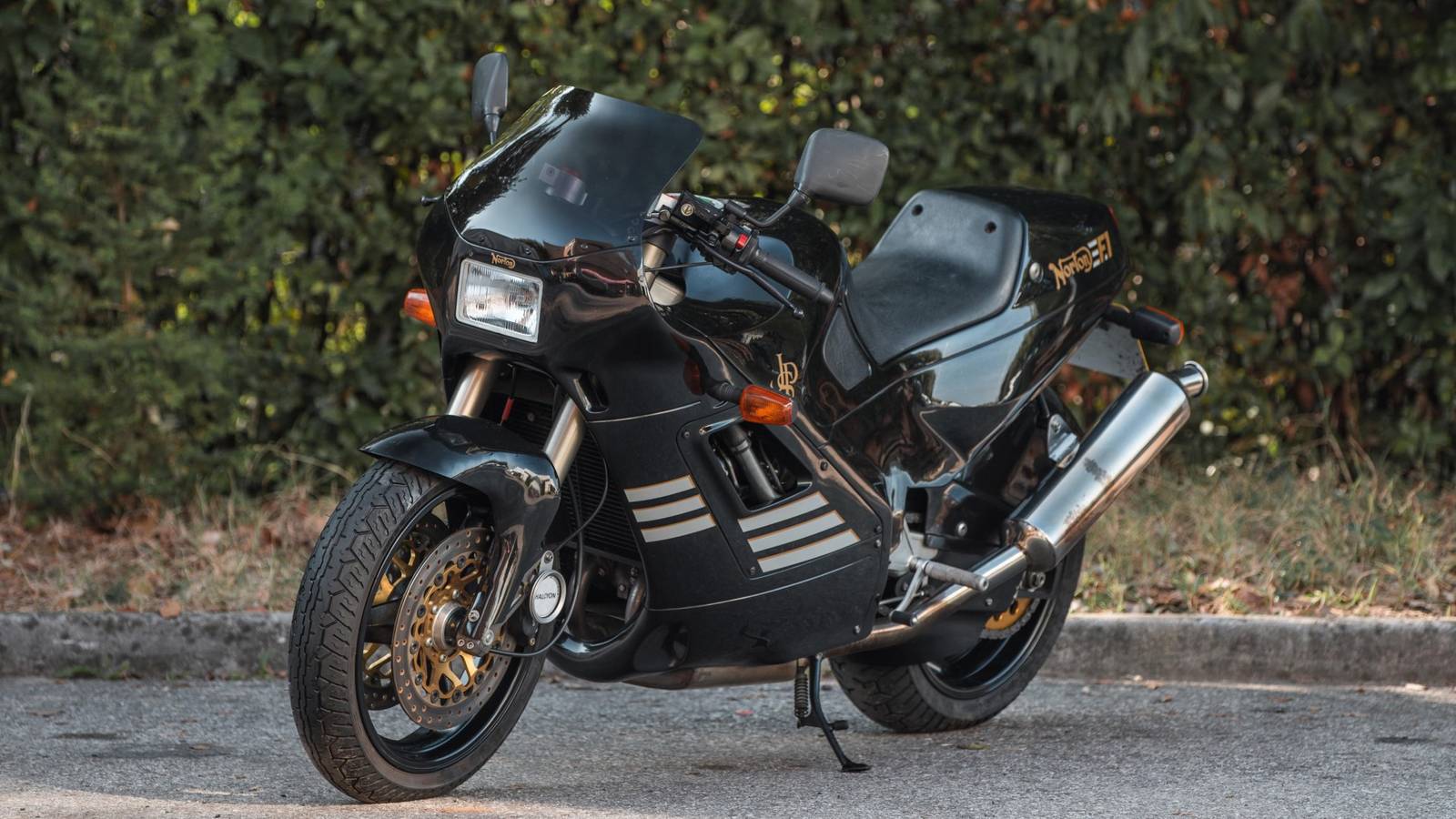
The 1990s represent a golden era in motorcycle design and engineering—an epoch where raw power met innovative technology, and distinct styling set machines apart from the crowd. In recent years, these motorcycles, once the playground of enthusiasts and daily riders, have surged astronomically in value. What was once a commonplace sight on suburban streets and highway ramps has now become coveted collectible artistry on two wheels. This dramatic appreciation in worth speaks volumes about their cultural significance, engineering prowess, and the burgeoning market of motorcycle aficionados who recognize the unmistakable allure trapped in these mechanical masterpieces.
One can trace this renaissance back to several factors converging simultaneously. Firstly, scarcity has become a principal driver. Many superbikes and sportbikes from the ’90s faced the relentless wear and tear of daily use or were cast aside during the explosion of more modern, efficient machines. The passage of time has thinned the ranks considerably, with only well-maintained or restored models surviving. This rarity fosters a premium in the marketplace, especially for motorcycles that feature unique specifications or limited production runs.
Beyond scarcity, the technological leaps from the decade have attained a storied status. The 1990s were a crucible for innovations like fuel injection systems, advanced suspension setups, and early fully-faired horsepower monsters that pushed the envelope of speed and handling. These attributes created machines that still resonate with contemporary riders for their visceral riding experiences—harboring mechanical symphonies that digital displays and electronic aids have yet to fully replicate. Collectors and riders alike seek out these motorcycles not only as investments but as living, breathing tributes to an era when the rider was intrinsically connected to the machine.
One of the most sought-after categories within this space is undoubtedly the superbike segment. Models such as the Honda RC30 and Yamaha OW01 stand as paragons of exclusivity and performance. The RC30, with its V4 engine derived directly from racing pedigree, paired with a meticulously engineered chassis, remains a benchmark for enthusiasts. Bikes like these often come with exquisite detailing—signature tri-color paint schemes, gold-accented suspension components, and lightweight chassis materials—that highlight their racing roots. They are not merely motorcycles; they are relics of motorsport history, loved for their blend of aggression and precision.
Sportbikes from Japanese titans like Suzuki and Kawasaki also command fervent attention. The Suzuki GSX-R series, especially the early ’90s models, ushered in a new philosophy of lightweight power. These motorcycles pioneered the use of aluminum frames and compact inline-four engines that churned out prodigious horsepower while retaining nimble agility. Kawasaki’s Ninja ZX-7R similarly carved a niche with its razor-sharp handling and aggressive styling, a favorite in both street and track environments. Their continued appreciation is a testament to the balance they achieved between accessible performance and spirited riding.
Cruisers and naked bikes from the ’90s are also surging in desirability, albeit with a different emphasis. The Harley-Davidson Sportster lineup, honed over decades, enjoyed a design refresh during this decade that appealed to both traditionalists and new riders. These motorcycles boasted an aesthetic that married classic American muscle with a more modern silhouette. The simplicity and raw torque delivered by their V-twin motors captivate those who value torque-rich, visceral motorcycles over high-revving sport machines. Meanwhile, naked bikes like the Ducati Monster series introduced a minimalist, muscular approach with exposed trellis frames and aggressive stance, inspiring numerous modern motorcycle designs.
Investing in these classic motorcycles often goes beyond mere economic gain. Each one embodies a story—a snapshot of technological ambitions, stylistic trends, and cultural identities. For example, the surge in retro-inspired design and modern reinterpretations fuels interest in original models, as riders yearn to experience the authentic feel of their forebears. Enthusiasts often cherish detailed stories about the bike’s origin, racing achievements, and unique evolutionary quirks that differentiate a model. This storytelling enriches the ownership experience, enhancing perceived value beyond mere basket-case restorations or mechanical examinations.
Restoration culture plays an instrumental role inValue appreciation. The meticulous craft of returning a motorcycle to its factory-fresh state or customizing it with subtle nods to its heritage can exponentially increase its worth. Original paint schemes, authentic replacement parts, and correct tooling ensure provenance—a vital sell point for collectors. Technical manuals, maintenance history, and rarity factors can collectively transform an otherwise ordinary machine into a showpiece that commands six-figure sums at auctions and private sales.
It is also important to examine the nuances of geographic markets influencing these valuations. European and Asian classics from the ’90s often see steeper value escalation in regions where motorcycle culture has long been embedded, such as Japan, Germany, and the United Kingdom. Meanwhile, American and Australian markets increasingly exhibit a fascination for these Japanese superbikes and Italian naked bikes. The global enthusiasm reflects the interconnectedness of modern collecting trends and the widespread reverence for 1990s motorbikes, which transcends regional boundaries.
Prospective buyers must approach this thriving market with both eyes open. While spectacular appreciation offers lucrative opportunities, it comes accompanied by pitfalls such as counterfeit parts, exaggerated rarity claims, and under-maintained examples masquerading as pristine. Diligence, expert consultation, and thorough inspection are paramount before acquisition. Knowledgeable buyers will also pay particular attention to production numbers, factory options, and commemorative editions that distinctly influence collectability.
Ultimately, these remarkable motorcycles from the 1990s encapsulate a defining chapter in motorcycling history. Their vibrant combination of mechanical ingenuity, styling audacity, and cultural impact has ignited a fervor within collectors, enthusiasts, and investors. As demand continues to outpace supply, prices will likely ascend further, cementing their status as rolling time capsules of a transformative decade. Whether admired in a garage, displayed under museum lights, or ridden on sinuous backroads, these motorcycles remain enduring symbols of an era when passion fueled the throttle, and design boldly followed suit.
For those intrigued by the allure of 1990s motorcycles, the journey encompasses far more than strokes on a check—it’s an immersion into mechanical artistry, motorsport legacy, and lasting cultural resonance. The value explosion is more than a market phenomenon; it celebrates a period when motorcycles were not just vehicles, but expressions of raw, unfiltered freedom and innovation.