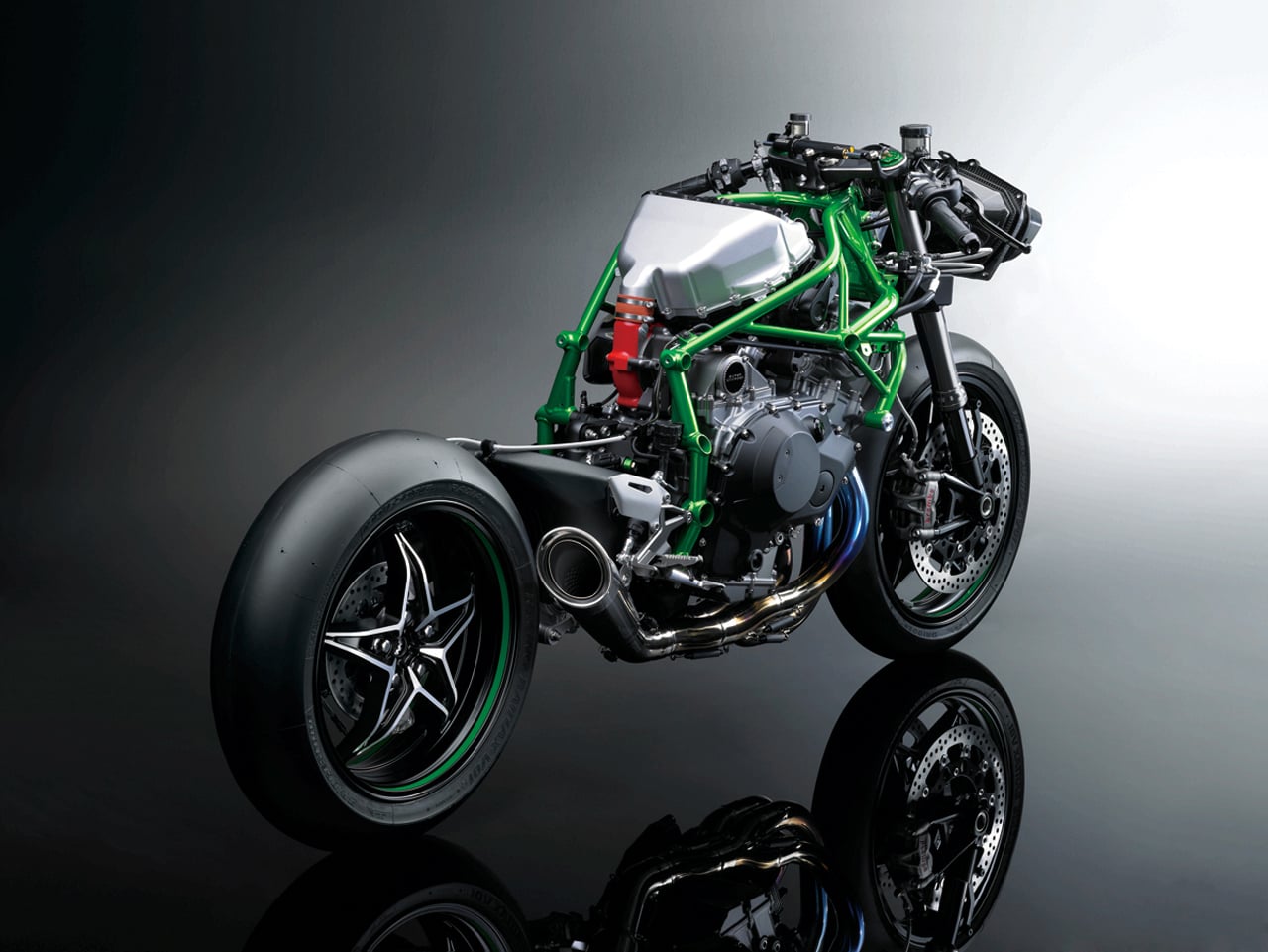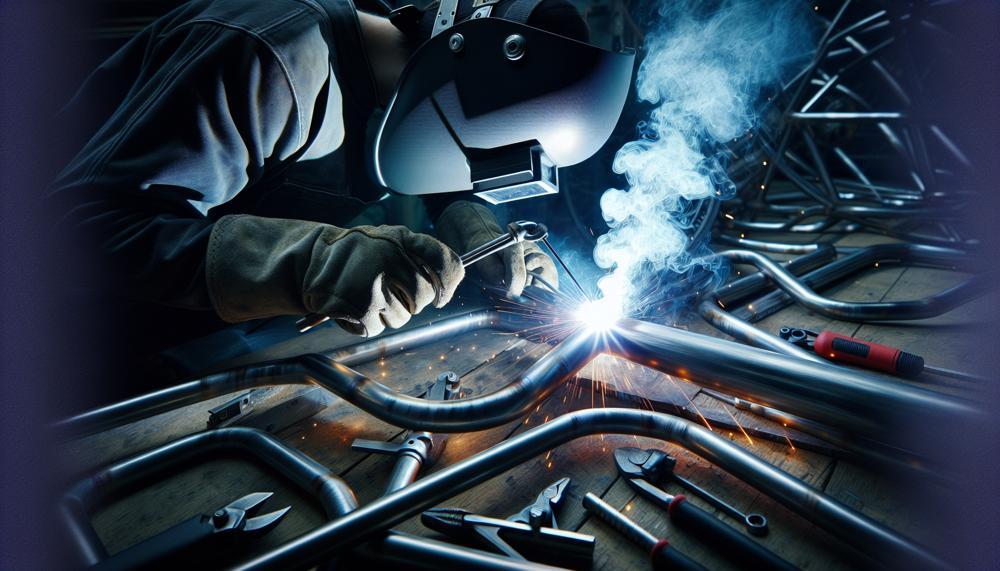
There’s a moment in every chopper builder’s journey when the frame’s skeleton begins to take shape—raw, unyielding, and brimming with potential. Yet, the choice of welder can either elevate this vision into a masterpiece or reduce it to a costly experiment. Chromoly steel, the backbone of high-performance choppers, demands precision that neither MIG nor TIG can fully claim alone. But here’s the twist: the battle isn’t about which welder is “better”—it’s about which one bends to *your* craftsmanship. Let’s shatter the myths, dissect the science, and uncover the truth behind welding chromoly frames, where every bead tells a story of strength, artistry, and relentless pursuit of perfection.
The Chromoly Paradox: Why Weak Welds Can’t Hide Behind Style
Chromoly steel isn’t just another metal—it’s a temperamental virtuoso. With a chromium-molybdenum alloy composition, it boasts tensile strength that laughs in the face of rust and fatigue, but it’s also a diva that demands respect. A weak weld on a chromoly frame isn’t just a flaw; it’s a ticking time bomb. Heat-affected zones (HAZ) can turn brittle if improperly managed, and even the most meticulous bead can hide micro-cracks that spell disaster under stress. MIG welding, with its brute-force deposition, can mask these issues with speed—but at what cost? Meanwhile, TIG’s surgical precision reveals every imperfection, forcing the welder to confront the metal’s true nature. The paradox? The stronger the frame *looks*, the more it might be hiding. The question isn’t just about welding—it’s about whether your technique can outsmart the steel’s inherent stubbornness.
Imagine this: You’re welding a downtube, the heart of your chopper’s soul. A MIG gun sprays molten metal like a fire hose, filling gaps with reckless abandon. The frame looks solid. But under a microscope? Tiny voids, uneven penetration, and a HAZ that’s softer than it should be. Now, switch to TIG. The arc dances like a ballerina, each pulse of heat controlled, each pass revealing the metal’s secrets. The result? A weld that doesn’t just *look* strong—it *is* strong, with a grain structure that flexes instead of snaps. The choice isn’t about speed or ease; it’s about whether you’re building a chopper that survives the road or one that survives the welder’s bench.
MIG Welding: The Sledgehammer Approach to Chromoly
MIG welding chromoly is like using a sledgehammer to carve a statue—it gets the job done, but subtlety? Forget it. The process relies on a consumable wire electrode, shielded by gas, to deposit metal in a hurry. For chromoly, this means two critical variables: the right wire and the right gas mix. A 75/25 argon-CO₂ blend is the bare minimum, but purists swear by 100% argon for cleaner welds. The wire? ER70S-6 is the workhorse, but for chromoly’s higher carbon content, ER80S-D2 or ER90S-6 steps up to the plate, offering better tensile strength.
Here’s where MIG’s Achilles’ heel reveals itself: heat control. Chromoly’s low thermal conductivity means heat builds up fast, warping the frame if you’re not careful. Pulse MIG helps, but even then, the risk of burn-through looms like a specter. And let’s talk about aesthetics. MIG welds on chromoly often look like they were done by a robot with a caffeine addiction—uneven, splattered, and begging for a grinder. But here’s the kicker: MIG isn’t all bad. For tacking, for filling gaps, or for builders who prioritize speed over perfection, it’s a beast of burden. Just don’t expect it to sing.
The real question is whether you’re willing to sacrifice the frame’s integrity for the sake of convenience. MIG can weld chromoly—*if* you’re willing to baby the machine, preheat the metal, and accept that every weld is a compromise. It’s the welder’s equivalent of a shortcut through the woods: you’ll get there, but you might not like what you find on the other side.
TIG Welding: The Artisan’s Blade for Chromoly’s Soul
If MIG is a sledgehammer, TIG is a scalpel—sharp, precise, and capable of miracles. Tungsten Inert Gas welding uses a non-consumable tungsten electrode to create an arc that melts the base metal, while filler metal is added manually. The result? Welds that look like they were painted on, with penetration so clean you could cry. For chromoly, TIG isn’t just an option; it’s a revelation. The control over heat input is unparalleled, allowing you to dance around the metal’s sensitivities like a seasoned ballroom dancer.
But TIG isn’t for the faint of heart. It demands patience, a steady hand, and an almost spiritual connection to the arc. Chromoly’s high carbon content means you’ll need a filler rod that matches its strength—ER80S-D2 or ER90S-6 again, but with a focus on low-hydrogen rods to prevent cracking. The gas mix? Pure argon, no exceptions. And the prep work? Oh, it’s brutal. Beveling the edges, cleaning the metal until it gleams, and preheating to at least 400°F to avoid thermal shock. But here’s the payoff: a weld that’s not just strong, but *alive*. The grain structure flows like water, the HAZ is minimized, and the frame’s integrity is preserved in ways MIG can only dream of.
TIG welds on chromoly frames aren’t just functional—they’re *art*. They’re the difference between a chopper that survives and one that thrives. And for builders who see their frames as more than just steel, TIG isn’t just a tool; it’s a philosophy. It’s the choice to embrace the metal’s soul, to coax strength from its very core. The only question is: Are you ready to wield that scalpel?
The Heat Affected Zone: Where MIG Fears to Tread
The heat-affected zone (HAZ) is the silent killer of chromoly frames—a region where the metal’s properties are altered by the welding process. In MIG welding, the HAZ is a battleground: wide, inconsistent, and prone to brittleness. The rapid heating and cooling cycles create a microstructure that’s softer than the base metal, leaving the frame vulnerable to fatigue and failure. TIG, on the other hand, treats the HAZ like a delicate ecosystem. By controlling the heat input with surgical precision, it minimizes the HAZ’s size and ensures the metal retains its strength.
Consider the case of a rear swingarm. A MIG weld might look solid, but the HAZ could be a ticking time bomb, ready to crack under the stress of a hard stop or a rough road. TIG, however, leaves behind a HAZ so small it’s almost invisible—a testament to the welder’s skill. The difference isn’t just technical; it’s existential. The HAZ isn’t just a zone; it’s a story of how the frame was built. And in the world of chromoly choppers, that story needs to be one of resilience, not regret.
Filler Metals: The Unsung Heroes of Chromoly Welds
No discussion of welding chromoly is complete without diving into filler metals—the unsung heroes that hold the frame together. For MIG, ER70S-6 is the default, but it’s a jack-of-all-trades, master of none. Chromoly demands more. ER80S-D2 steps up with higher tensile strength and better crack resistance, while ER90S-6 offers a balance of strength and ductility. But here’s the twist: the filler metal’s composition must match the chromoly’s carbon content to avoid creating a weak link in the chain.
TIG takes this a step further. The filler rod isn’t just a supplement; it’s an extension of the welder’s intent. A 4130 chromoly rod, for example, is the gold standard, offering a chemical composition that mirrors the base metal. But even here, nuances matter. A low-hydrogen rod reduces the risk of hydrogen-induced cracking, while a filler with added vanadium can enhance toughness. The choice of filler isn’t just about strength—it’s about harmony. The right rod doesn’t just fill a gap; it completes the frame.
The Final Bead: Which Welder Wins the Chromoly Crown?
So, which welder deserves the chromoly crown? The answer isn’t a simple one. MIG welding chromoly frames is like racing a dragster on a winding mountain road—it’s fast, but the turns are treacherous. It’s the choice for builders who prioritize speed and cost over perfection, who see the frame as a means to an end rather than an end in itself. TIG, on the other hand, is the craftsmanship of a master watchmaker. It’s slow, deliberate, and unforgiving, but the results are nothing short of legendary.
The truth is, the “best” welder for chromoly frames depends on what you’re building—and what you’re willing to sacrifice. If you’re crafting a chopper that’s meant to be ridden hard and put away wet, TIG is the only choice. Its precision, its strength, and its artistry make it the gold standard for chromoly. But if you’re on a budget, racing against time, or building a frame that’s more about function than form, MIG can get the job done—just don’t expect it to win any beauty contests.
Ultimately, the choice comes down to a single question: What kind of legacy do you want to leave behind? A MIG-welded frame might survive the road, but a TIG-welded frame will *define* it. And in the world of chromoly choppers, that’s the difference between a ride and a revolution.