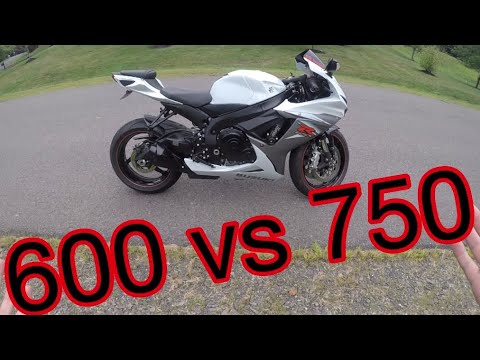
The 2007 Suzuki GSX-R series holds a revered place in the hearts of motorcycle enthusiasts, particularly when considering the GSX-R600 and GSX-R750 models. These two superbikes have long stood as titans within Suzuki’s litany of sport motorcycles, embodying a blend of engineering excellence and visceral riding experiences. Yet, when placed side-by-side, a perennial debate arises: which one truly triumphs? Is it the agile GSX-R600, famed for its nimbleness and precision, or the powerhouse GSX-R750, boasting a blend of performance and versatility? Beneath this surface-level rivalry lies a deeper fascination with how slight variations in design philosophy, engine prowess, and handling dynamics shape the rider’s connection with the machine.
The 2007 GSX-R600 is often heralded for its razor-sharp agility and lighter footprint. Weighing in at a notably lower curb mass than its 750cc counterpart, the 600 thrives on maneuverability. Its 599cc inline-four engine, sporting a high-revving character, delivers a crisp, responsive throttle that excites riders who relish tight cornering and quick directional changes. The bike’s chassis, engineered with a focus on shedding excess weight, results in an uncanny sense of balance and an uncanny ability to dance through twisty roads with precision. Every input on the handlebars translates almost telepathically into action, making it a favorite among track-day devotees who crave the crisp dynamics of a lightweight racer.
Conversely, the 2007 GSX-R750 occupies a fascinating middle ground between the 600 and the liter-class machines. With a 750cc engine, this model offers a perfect cocktail of torque and horsepower, providing a more robust midrange thrust without sacrificing the dynamic agility that defines the GSX-R DNA. The increased displacement lends the GSX-R750 a more muscular character, delivering a surge of power that feels both thrilling and manageable. Its engine isn’t just about raw numbers; it exhibits a smooth, linear powerband that flatters both spirited street riding and demanding track sessions alike. Riders who gravitate towards the 750 often cite its versatility — a bike capable of assertive sprints down a straightaway while still carving through technical sections with aplomb.
When exploring the intricacies of design, the subtleties between these two machines begin to reveal themselves more clearly. Both models share the iconic GSX-R styling, characterized by aggressive fairings, aerodynamic efficiency, and a focus on weight-saving components. Yet, the 750 incorporates marginally upgraded suspension components and reinforced chassis elements designed to cope with the additional power output. This lends it a slightly more planted feel at higher speeds, allowing it to maintain composure in a wide array of riding conditions. The suspension tuning, while firm enough to perform on the track, retains a level of compliance conducive to longer rides or less-than-perfect tarmac.
In contrast, the 600’s suspension setup skews towards a more track-oriented configuration. Its lighter frame and more aggressive geometry create a motorcycle that seems almost alive, reacting instantaneously to rider commands. The trade-off for this keen edge is a slightly harsher ride quality on rough surfaces, demanding a more engaged and skilled rider capable of exploiting the bike’s potential without being undermined by road imperfections. This relationship between rider and machine cultivates a purist’s appeal — a feeling that one is wielding a tool designed primarily for the unforgiving caress of the racetrack.
Another critical dimension to consider is the technological features of these 2007 models. Though not laden with an array of electronic rider aids that are commonplace in modern motorcycles, both the GSX-R600 and GSX-R750 represent a period when mechanical ingenuity was paramount. Their carbureted engines, analog gauges, and mechanical brakes require the rider to be intimately familiar with the machine’s responses and capabilities. This directness fosters a tactile and sensory involvement that modern digital aids cannot replicate, heightening the allure for riders seeking an unmediated experience.
However, the emphasis on pure mechanical connection brings us to the core of what sustains fascination with the GSX-R600 and GSX-R750 beyond mere specifications. These motorcycles embody an era when riding demanded commitment, skill, and finesse, drawing a rider into a dance that balanced control and power with subtlety and timing. It’s not solely about which bike eclipses the other in peak horsepower or cornering g-force statistics; it’s about which machine ignites passion and mastery in the rider’s soul.
In evaluating real-world applications, the intended use becomes an essential arbiter. If a rider prioritizes track-day antics and consistently tight, technical riding environments, the GSX-R600’s lightweight chassis and high-revving engine tip the scales in its favor. Its agility and quick steering make it less intimidating for emerging sport riders and provide a platform for aggressive cornering that rewards precision. The 600’s smaller displacement also often translates to lower insurance costs and marginally better fuel efficiency, practical considerations for daily usability.
On the other hand, the GSX-R750 offers a compelling proposition for riders desiring a more versatile machine. Its enhanced midrange torque provides easier acceleration out of corners and greater adaptability across a wider range of speeds and conditions. This makes it an appealing choice for those who want to occasionally stretch the bike’s legs on a highway or participate in club racing without feeling constrained by the 600’s peaky nature. The GSX-R750’s slightly more relaxed ergonomics and reinforced frame confer added confidence, subtly inviting riders to push limits in a broader spectrum of scenarios.
Ultimately, the question of “which one wins” hinges on the prism through which the comparison is viewed. If raw agility and a focus on edge-of-adhesion riding define your criteria, the 2007 GSX-R600 emerges as the quintessential choice. Its surgical precision and lightweight engineering create an intoxicating blend of speed and control. In contrast, the GSX-R750 stakes its claim as a champion of pragmatism and balance, harmonizing robust performance with everyday usability and confidence-inspiring dynamics.
Both models serve as emblematic representations of Suzuki’s storied commitment to developing motorcycles that speak to different facets of the sportbike spectrum. Whether captivated by the razor-sharp intellect of the GSX-R600 or the muscular versatility of the GSX-R750, enthusiasts are drawn into a deeper appreciation of what it means to engage with a machine crafted not just to move, but to inspire. This enduring legacy is what elevates the debate beyond mere numbers, into a realm where passion and engineering converge.
In the final analysis, no definitive victor emerges because both the 2007 GSX-R600 and GSX-R750 excel in their respective domains. The choice ultimately reflects personal preference, riding style, and the nuanced relationship between machine capabilities and rider aspirations. Their shared lineage and distinct characters serve as a reminder that in motorcycling, the journey and connection often surpass any purported contest of supremacy.