As the first two decades of the 21st century fade further into memory, an intriguing trend has firmly taken hold in the motorcycle collecting community: year 2000 motorcycles are swiftly evolving from everyday machines into coveted collector’s treasures. What was once seen as utilitarian, often overlooked in favor of vintage classics and the latest superbikes, is now reverberating with a new vibrancy that entices enthusiasts and investors alike. This renaissance is not merely about nostalgia; it reflects a profound shift in how these motorcycles are valued, both culturally and mechanically.
The palpable surge of interest in motorcycles from the dawn of the new millennium is predicated on several interwoven factors. At a cursory glance, these bikes might appear as relics of transitional technology—too modern to be classified as classic, yet too old to compete with contemporary performance standards. However, this apparent liminal status is precisely what renders them fascinating. These motorcycles embody a unique synthesis of analog craftsmanship and early digital innovation, capturing a pivotal moment in motorcycling history when manufacturers experimented boldly amidst rapid technological advancement.
The mechanical lineage of year 2000 motorcycles uniquely straddles the analog and digital realms. Unlike earlier vintage motorcycles which are prized for their purely mechanical simplicity, these machines often incorporate early forms of electronic fuel injection, rudimentary onboard diagnostics, and nascent traction control systems. These incremental technological strides, now viewed through the lens of history, serve as milestones of engineering evolution. Collectors appreciate them not merely as vehicles but as artifacts illustrating the industry’s evolutionary trajectory.
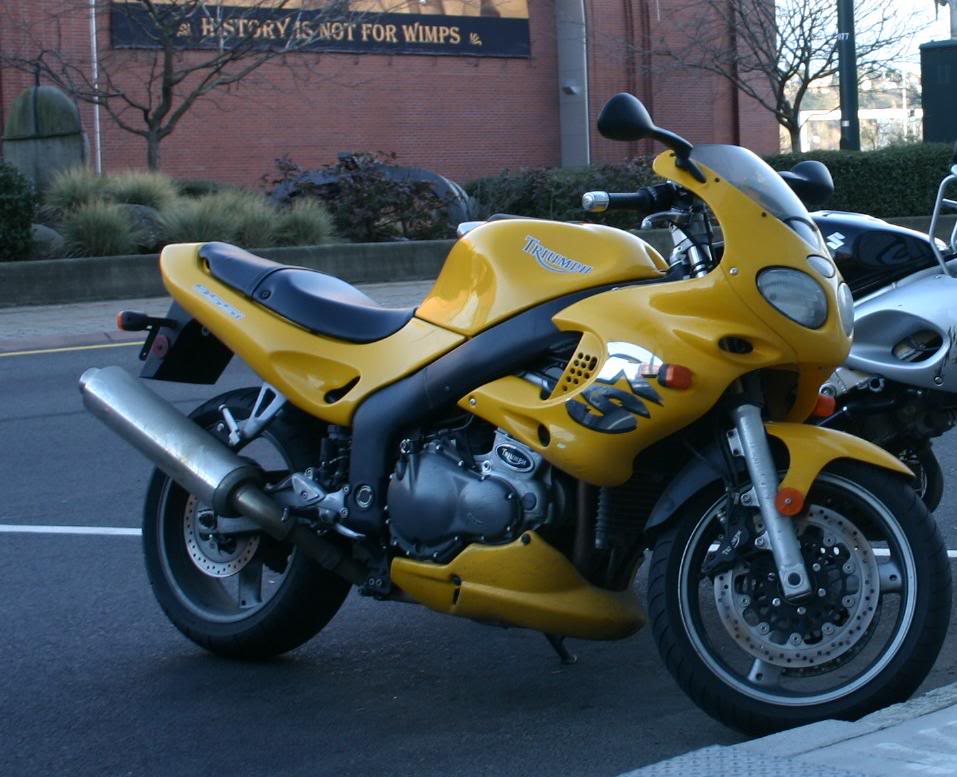
Another compelling aspect fueling the fascination is the distinctive design language of this era. The aesthetic of motorcycles around the year 2000 reveals a dialogue between bold, avant-garde styling and a cautious homage to previous generations. Streamlined fairings flaunt futuristic curves, yet some models retain traditional silhouettes that pay deference to cherished classics. This blend creates a visual tension—between the aggressive and the familiar—that draws collectors seeking motorcycles with compelling character and evocative identity.
Moreover, these motorcycles have accrued an aura of rarity and mystique over time. Mass-market production runs have dwindled, and meticulous preservation of original condition is becoming a rarer commodity. The scarcity effect stimulates a collector’s market that prizes originality and provenance, elevating surviving specimens to near-mythical status. Factors such as limited-edition releases, regional variants, and unique factory modifications further complicate and enrich the narrative, enticing collectors dedicated to uncovering elusive pieces of motorcycling lore.
Equally, there is an emotional and cultural layer underpinning the surge in desirability. Many riders who came of age during this period cherish these motorcycles as tangible reminders of formative experiences, rites of passage, and the thrill of youthful freedom. This sentimental connection transcends mere functionality, imbuing the motorcycles with a layered sentimental value that resonates deeply within collector circles. It’s a testimony to how machines can become repositories of personal and communal memory, enshrined far beyond their original utilitarian purpose.
The economic dimension cannot be overlooked. The confluence of nostalgia-fueled demand and dwindling supply has introduced a speculative dimension to the market. For some, acquiring a pristine year 2000 motorcycle represents a shrewd investment, mirroring patterns observed in classic car markets decades earlier. Market analyses reveal steadily appreciating values for well-preserved examples, making these motorcycles not only symbols of passion but also emerging financial assets. This duality—where emotional and economic incentives converge—amplifies their allure and market momentum.
Furthermore, the motorcycling community itself has evolved, embracing a more inclusive and intellectually curious ethos that prizes historical knowledge and preservation. Shows, forums, and collectors’ clubs frequently spotlight year 2000 motorcycles, fostering an environment where appreciation for these machines deepens and spreads. This cultural validation enshrines these motorcycles as worthy subjects of study and conservation, elevating their status from mere transportation to treasured cultural artifacts.
Technological advancements in restoration have also contributed to this phenomenon. Enhanced availability of original parts, CAD modeling for reproductions, and skilled craftsmanship have facilitated the faithful restoration of many motorcycles from this era. The ability to return a bike to near-showroom condition rekindles enthusiasm and confidence among collectors, enabling the preservation of authenticity that further increases desirability. As a result, the fragility that once deterred collectors is increasingly mitigated by contemporary restoration expertise.
Simultaneously, the sustainable and environmental discourse within transportation circles injects subtle undercurrents into the collector market. While electric and hybrid motorcycles capture future markets, there is a growing appreciation for the mechanical ingenuity and unmediated connection offered by gasoline-powered motorcycles of this transitional period. These machines represent a balance between power, engineering, and rider engagement that many purists argue is diluted in newer models. As a consequence, their old-school charm is being reassessed and prized as a counterpoint to modern electronic saturation.
In sum, the year 2000 motorcycle is much more than a temporal marker—it is a nexus of technological evolution, design experimentation, cultural memory, and economic opportunity. Their emergence as “collector gold” reflects a sophisticated appreciation of their place in motorcycling heritage. Enthusiasts and investors alike recognize that these motorcycles provide a tangible bridge between the past and present, embodying a confluence of history, artistry, and innovation in steel and chrome.
As the horizon of the current era advances, the reverence for these motorcycles only seems poised to grow. Far from fleeting trends, the year 2000 motorcycles stand as lasting emissaries of a transformative epoch in motorcycling. Their stories are etched not merely in miles ridden but in the collective consciousness of riders, collectors, and historians who continue to celebrate their enduring legacy.