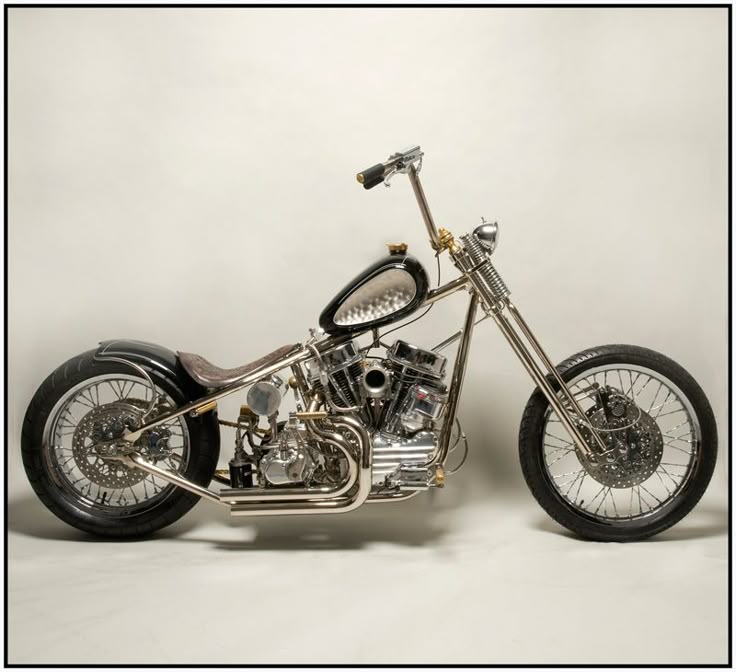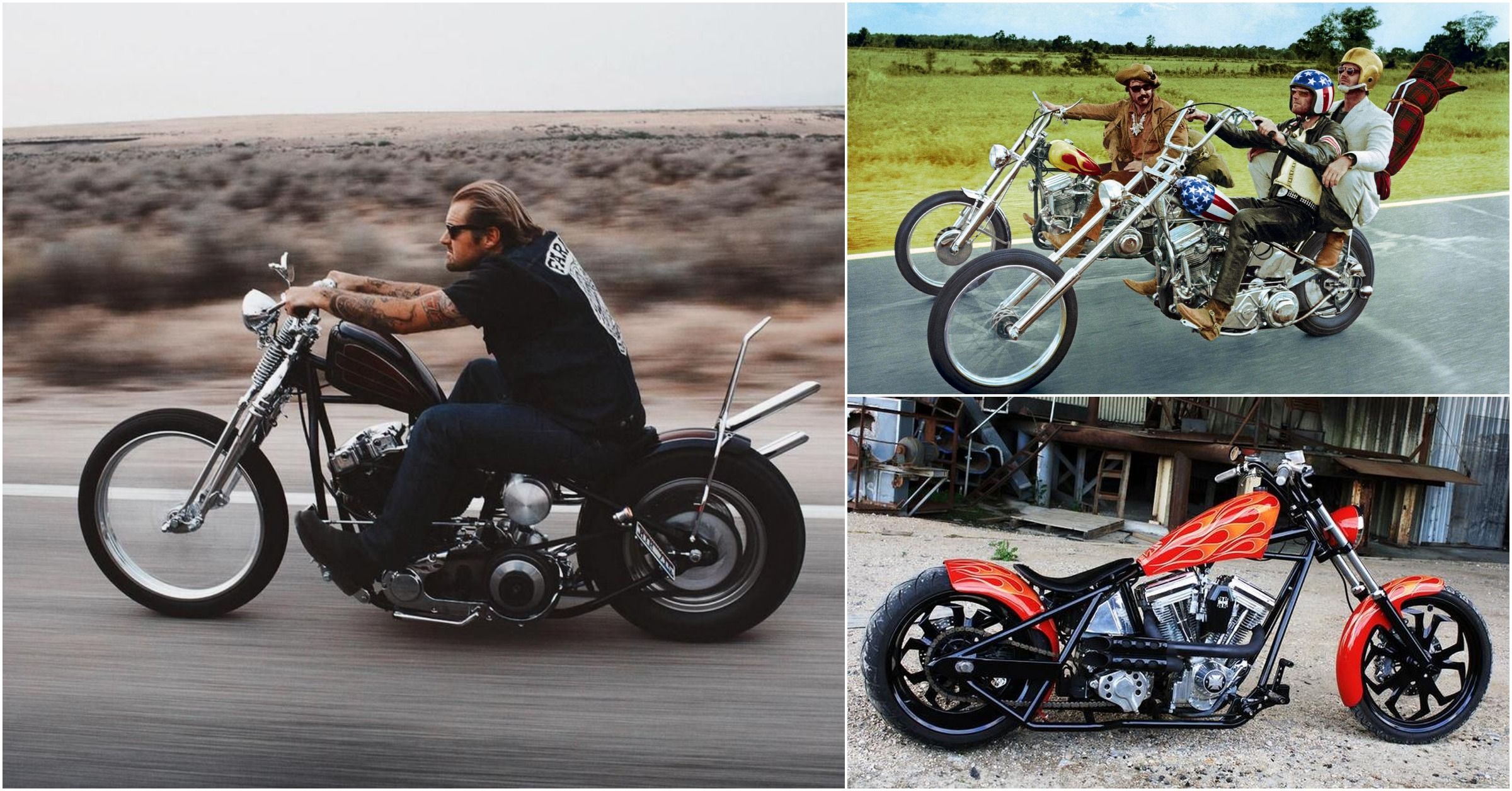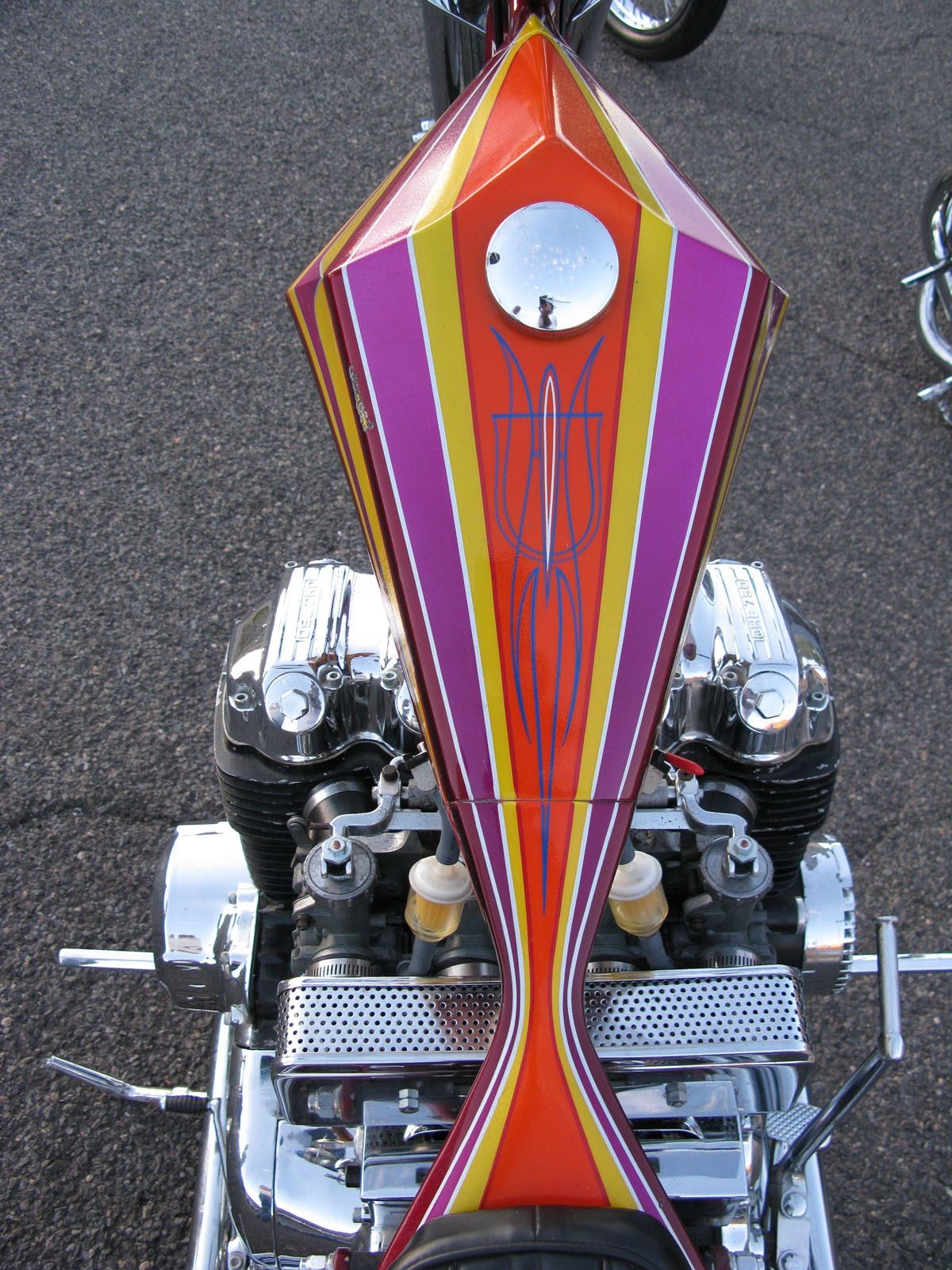
The vintage metal flake chopper tank isn’t just a fuel reservoir—it’s a rolling canvas, a statement of rebellion, and a love letter to the golden age of custom motorcycles. Whether you’re restoring a classic chopper or building one from the ground up, the gas tank is where artistry meets engineering, where raw power meets meticulous craftsmanship. Painting a vintage-style metal flake tank isn’t just about aesthetics; it’s about capturing the soul of an era when chrome gleamed under desert sun and pinstripes whispered secrets of the open road. This guide will take you through every phase of the process, from preparation to final clear coat, ensuring your tank doesn’t just look vintage—it feels like it rolled off a 1970s Hollywood soundstage.
The Anatomy of a Vintage Metal Flake Tank: Understanding the Canvas
A vintage metal flake tank is more than a hunk of steel—it’s a relic of counterculture, a fusion of form and function. These tanks were often hand-formed from sheet metal, their curves shaped by the hands of artisans who valued imperfection over mass production. The metal flake effect, achieved with metallic pigments suspended in clear lacquer, creates a three-dimensional shimmer that dances under light, mimicking the iridescence of a dragonfly’s wing. Unlike modern powder coats, vintage flake relies on layering: a base color, followed by metallic flakes, then a protective clear coat. The result? A surface that seems to breathe, shifting between silver, gold, and deep blue depending on the angle of the sun. To paint one correctly, you must first understand its layers—each one a testament to the builder’s intent.

Choosing Your Flake: From Silver Dollar to Cosmic Dust
The magic of metal flake lies in the particles themselves. Not all flakes are created equal. Silver dollar flake, the largest and most dramatic, creates bold, reflective specks that catch the eye like scattered coins. Cosmic dust, by contrast, is fine and subtle, lending a soft, ethereal glow reminiscent of stardust. Then there’s pearl flake, which adds a pearlescent sheen, and interference flakes, which shift color depending on the viewing angle. Your choice depends on the era you’re emulating. A 1960s bobber might demand silver dollar flake for maximum flash, while a 1970s chopper could benefit from cosmic dust for a more subdued, mystical vibe. Consider the tank’s shape too—deep curves benefit from larger flakes, which emphasize the contours, while flat panels can handle finer particles without overwhelming the design. The flake isn’t just decoration; it’s the soul of the finish.
Preparation: The Unsung Hero of a Flawless Finish
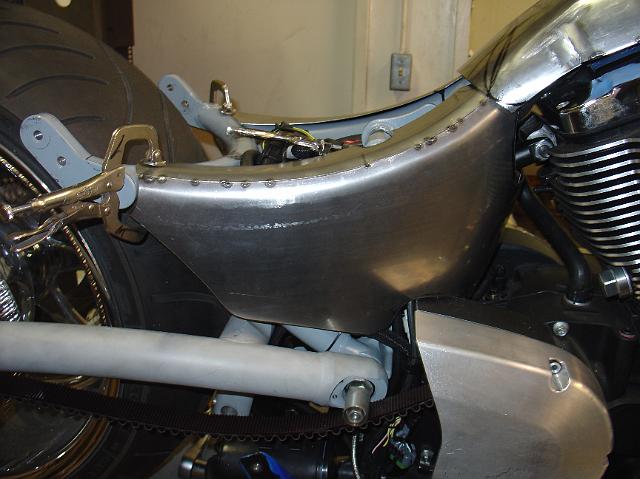
You can’t paint a masterpiece on a dirty canvas. Preparation is where most projects fail—and where legends are made. Begin with media blasting, not sanding. A cabinet-style sandblaster with aluminum oxide or glass beads will strip old paint and corrosion without warping the thin metal of vintage tanks. Follow with a phosphoric acid wash to etch the surface, removing any embedded grime and promoting adhesion. Next, degrease with acetone—no shortcuts. Even a fingerprint can cause a bubble months later. Then comes the primer: a high-build epoxy primer, applied in thin, even coats. Sand between coats with 400-grit, then switch to 600-grit for a glass-smooth finish. The goal isn’t just clean metal—it’s a surface that feels like silk to the touch. Rushing this step is like building a house on sand. The foundation must hold.

Base Coat: Laying the Groundwork for Depth
The base coat isn’t just color—it’s the stage upon which the flake performs. For a true vintage look, avoid flat or matte finishes. Instead, opt for a semi-gloss enamel or urethane in a deep, rich hue. Black, midnight blue, or burgundy are classic choices, but don’t shy away from bold hues like emerald green or burnt orange if the bike demands it. Apply the base coat in three thin layers, allowing each to flash off (not dry completely) before the next. This prevents orange peel and ensures a uniform surface. The key is consistency—any streaks or unevenness will telegraph through the flake, ruining the effect. Think of it as painting a sunset: the colors must blend seamlessly before the stars (or flakes) appear.
Flake Application: The Dance of Light and Shadow
Here’s where the alchemy happens. The flake must be applied while the base coat is still tacky—what professionals call the wet-on-wet stage. Use a high-volume, low-pressure (HVLP) spray gun with a 1.2mm tip to spray the flakes evenly. Hold the gun 8–12 inches from the surface and apply in smooth, overlapping passes. The flakes should land like snowflakes—random, but not clumped. Too much flake creates a dense, opaque layer; too little results in a weak, spotty finish. For larger flakes, a second light mist may be needed. But beware: overworking the flake can cause it to sink into the base coat, losing its reflective quality. The flake isn’t just sprinkled—it’s choreographed. Each particle must find its place in harmony with the others.
Sealing the Magic: Clear Coat as the Final Veil
The clear coat is the unsung hero of the metal flake process. It locks in the flakes, protects the finish from UV rays, and adds depth. For vintage authenticity, use a 2K urethane clear coat—not acrylic. Acrylics yellow over time; urethanes maintain their clarity for decades. Apply in three to four thin coats, allowing 10–15 minutes between each. The first coat should be so light it’s almost a mist—just enough to tack the flakes in place. Subsequent coats build thickness and gloss. Sand between coats with 1000-grit, then 1500-grit, for a mirror-like finish. The final result should feel like glass—cool to the touch, reflective, and alive with movement. This isn’t just protection; it’s preservation of a moment in time.

Finishing Touches: Pinstriping, Aging, and the Art of Imperfection
A vintage metal flake tank isn’t complete without the final embellishments. Pinstriping adds elegance and contrast—think gold or white lines tracing the tank’s contours. Use a fine brush and steady hand, or hire a master striping artist if precision isn’t your forte. For an aged look, consider light distressing: gently scuffing edges with steel wool or a fine sanding sponge to mimic years of wear. Some builders even use a patina solution to create subtle discoloration around rivets or seams. The goal isn’t to make the tank look old—it’s to make it feel lived-in. Every scratch, every faded edge tells a story. And remember: perfection is the enemy of authenticity. A few imperfections make the tank feel real.
Common Pitfalls and How to Avoid Them
Even the most experienced builders stumble. Flake clumping happens when too much is applied at once—prevent it by using a finer flake or spraying in stages. Orange peel in the clear coat? Likely caused by inconsistent gun pressure or rushing the process. Fish eyes—those tiny craters—are usually the result of contamination; always filter your paint and clear coat. And then there’s peeling, often a sign of poor surface prep or incompatible primers. The fix? Strip everything back to bare metal and start over. Patience isn’t just a virtue—it’s the difference between a showpiece and a disaster. Keep notes. Take photos. Learn from each layer.
The Legacy of the Metal Flake Tank: More Than Just Paint
A vintage metal flake tank is a time capsule. It carries the spirit of the riders who came before—of weekend warriors in faded jeans, of grease-stained hands gripping handlebars at dusk. It’s a rebellion against conformity, a celebration of individuality. When you paint a tank like this, you’re not just applying color—you’re preserving a piece of history. Whether it’s destined for a custom chopper show or a quiet Sunday ride, it will always be more than metal and paint. It will be a monument to the open road, a flicker of chrome in the rearview mirror of time.