The roar of a custom motorcycle engine isn’t just sound—it’s a symphony of rebellion, craftsmanship, and raw American ingenuity. Nowhere is this more evident than in the story of Orange County Choppers (OCC), the legendary motorcycle workshop that rose from the gritty streets of Newburgh, New York, to become a cultural phenomenon. More than just a brand, OCC is a testament to the transformative power of passion, family, and the unrelenting pursuit of perfection. Its history isn’t merely a timeline of bikes built; it’s a narrative of how a small-town dream can ignite a global obsession.
The Humble Origins: From a Garage to a Revolution
In the late 1990s, the town of Newburgh, perched along the western bank of the Hudson River, was a place of faded industrial glory and quiet resilience. Amidst the economic doldrums, a father and son duo—Paul Teutul Sr. and Paul Teutul Jr.—saw something others missed: opportunity in the form of steel, chrome, and sheer audacity. What began as a modest custom bike shop in a nondescript garage would soon evolve into a workshop that redefined motorcycle culture.
The first OCC bikes weren’t just machines; they were statements. Built with hand-welded frames and painstakingly polished components, each chopper was a canvas for the Teutuls’ vision—a fusion of artistry and engineering. The workshop’s early days were marked by long nights, grease-stained hands, and the occasional spark of frustration, but the result was undeniable: bikes that didn’t just ride—they commanded attention.
The Alchemy of Craftsmanship: Why OCC Bikes Captivate the Imagination
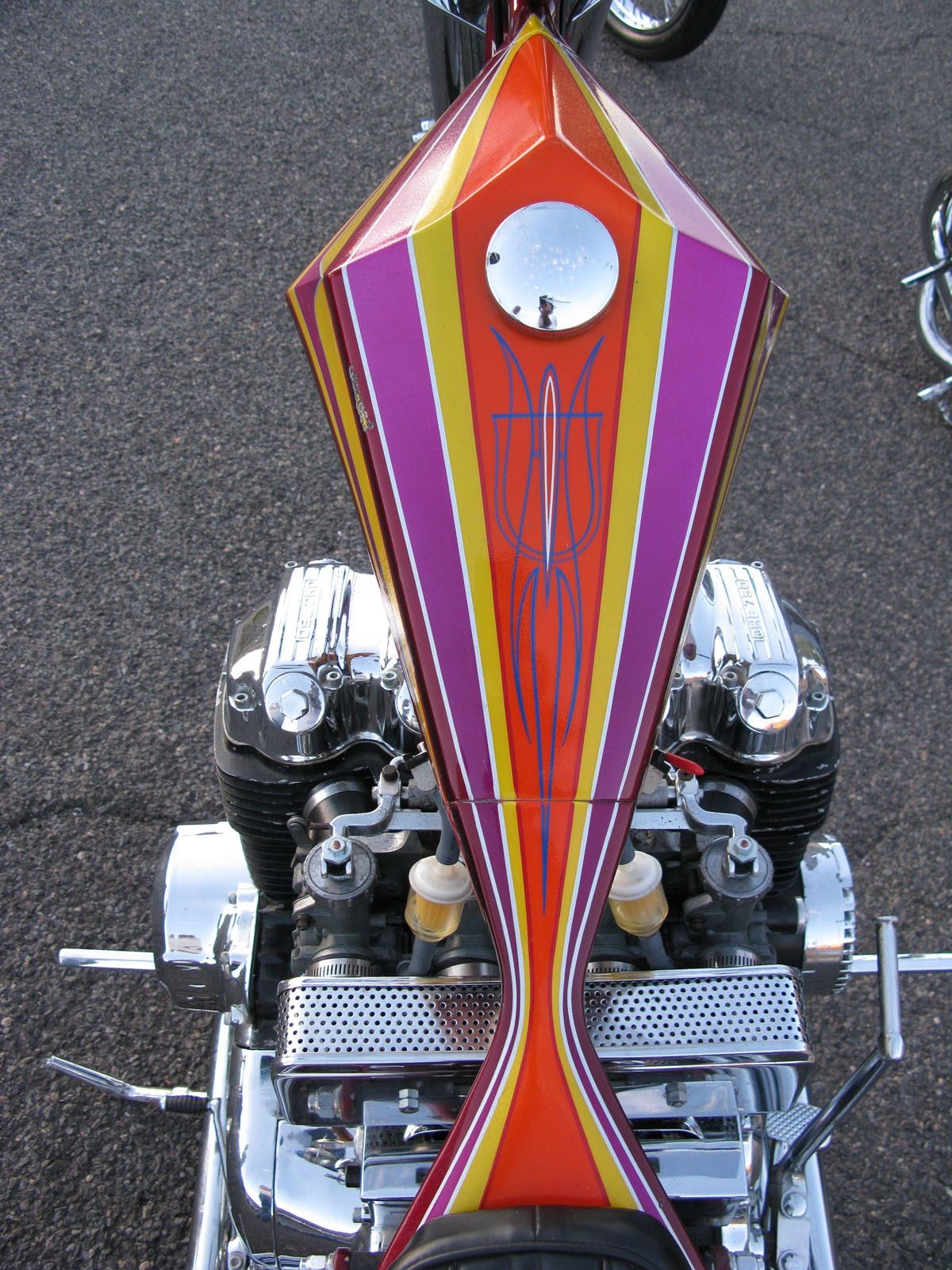
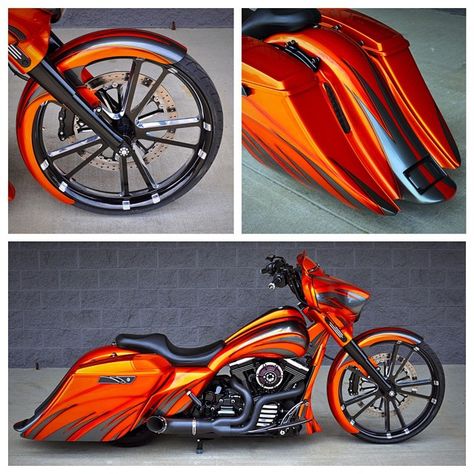
At the heart of OCC’s allure lies a paradox: these motorcycles are both industrial marvels and works of art. Every curve, weld, and bolt tells a story of meticulous labor, where function meets fantasy. The signature OCC aesthetic—bold orange frames, intricate detailing, and a raw, unpolished edge—transcends mere functionality. It’s as if each bike is a rolling sculpture, a mobile monument to the idea that beauty can emerge from chaos.
Consider the engineering behind a chopper like the “Fire Bike” or the “Patriot.” These aren’t mass-produced commodities; they’re bespoke creations, each tailored to its owner’s dreams. The process begins with a blank slate—a pile of steel tubes—and ends with a machine that seems to defy physics. This transformation captivates enthusiasts because it mirrors a universal human desire: to take raw materials and shape them into something extraordinary.
The Rise of a Cultural Icon: From Local Legend to Global Phenomenon
The turning point for OCC came in the early 2000s, when a cable network decided to turn the workshop’s daily operations into prime-time television. *American Chopper*, with its blend of family drama, technical challenges, and behind-the-scenes chaos, became an overnight sensation. Suddenly, Newburgh wasn’t just a dot on the map—it was the epicenter of a cultural movement.
Viewers were hooked. They marveled at the Teutuls’ ability to turn arguments into art, to transform conflict into creativity. The show’s success wasn’t just about bikes; it was about the human drama unfolding in that unassuming workshop. It tapped into something primal—the idea that greatness often emerges from the friction of personalities, the clash of egos, and the relentless pursuit of a shared vision.
The Family Dynamic: Love, Conflict, and the OCC Legacy
No discussion of OCC is complete without acknowledging the Teutul family’s complex dynamics. The relationship between Paul Sr. and Paul Jr. was a masterclass in creative tension—equal parts inspiration and irritation. Their clashes, often aired on national television, revealed the raw, unfiltered process of creation. Yet, beneath the shouting matches and stubborn silences, there was an unshakable bond: a shared love for motorcycles and the craft.
This dynamic resonated with audiences because it mirrored the struggles of everyday life. Who hasn’t experienced the push-and-pull of collaboration, the frustration of differing visions, or the pride of overcoming adversity? OCC’s story became a metaphor for the creative process itself—messy, emotional, and ultimately rewarding.
The Workshop’s Evolution: From Newburgh to the World
As OCC’s fame grew, so did its ambitions. What started as a local operation expanded into a global brand, with custom bikes commissioned by celebrities, collectors, and even corporate clients. The workshop’s address in Newburgh became a pilgrimage site for motorcycle enthusiasts, a place where dreams were forged in steel and fire.
Yet, the move to a larger facility in Newburgh wasn’t just about space—it was about identity. The town’s industrial past, with its abandoned factories and crumbling waterfront, became a symbol of OCC’s own transformation. The workshop didn’t just occupy Newburgh; it revitalized it, proving that passion could breathe new life into forgotten places.
The OCC Aesthetic: More Than Just a Color
The signature orange of OCC bikes isn’t arbitrary. It’s a deliberate choice, a visual shout that demands attention. In a world of muted tones and mass-produced designs, OCC’s bold color scheme stands out like a beacon. It’s a declaration: this isn’t just a motorcycle—it’s a statement.
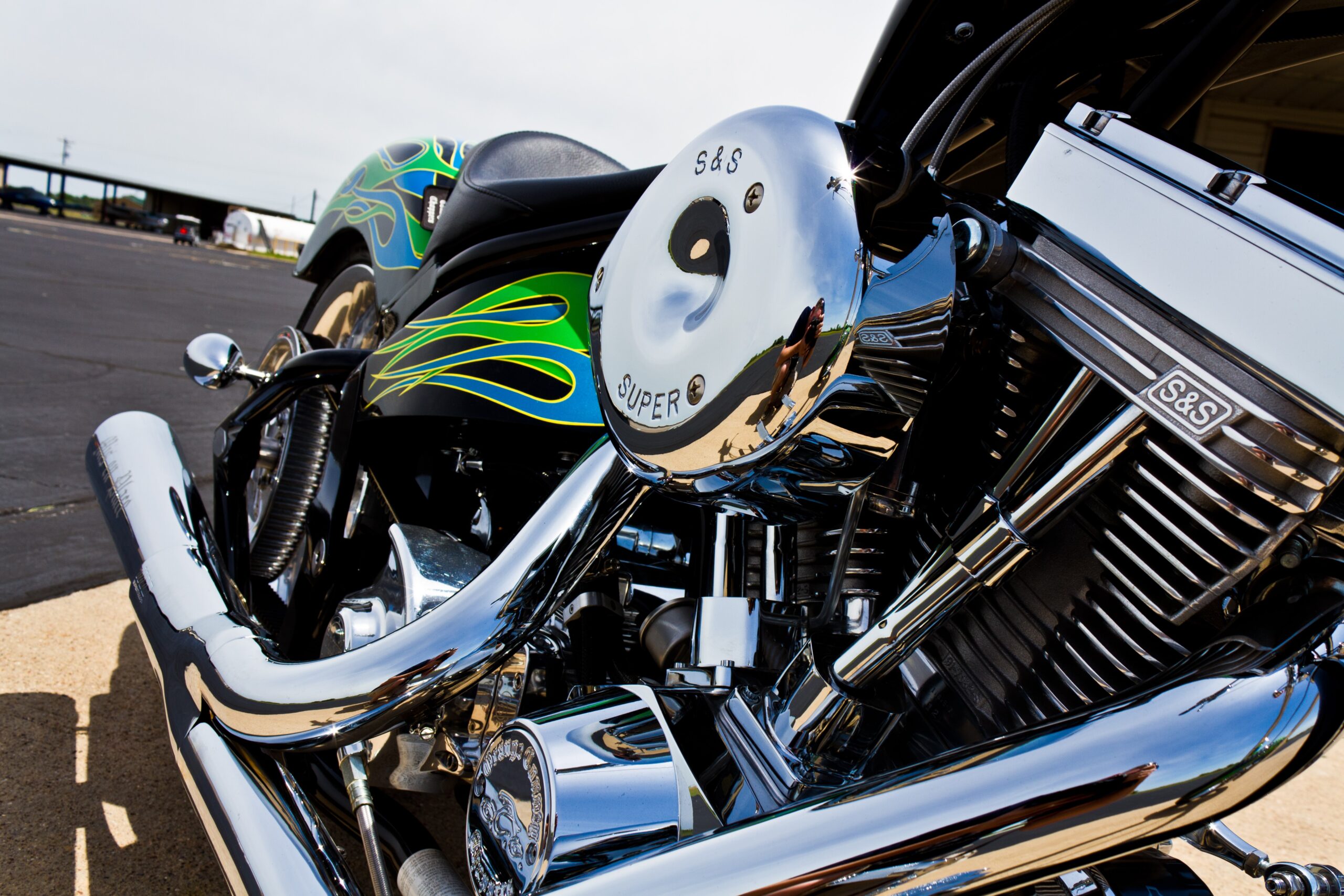
But the aesthetic goes deeper than color. It’s in the exposed welds, the hand-tooled leather seats, the intricate engravings. Every detail is a nod to the workshop’s ethos: authenticity over pretense, craftsmanship over convenience. This commitment to the tangible, the handmade, is a rarity in an age of digital perfection—and that’s why it resonates so deeply.
The Deeper Fascination: Why OCC Captures the Collective Imagination
At its core, the story of OCC is a modern-day myth. It’s the tale of underdogs who dared to dream big, of a family that turned conflict into creativity, and of a small town that became a symbol of reinvention. But there’s something more to it—a universal longing for authenticity in a world that often feels artificial.
In an era of algorithm-driven everything, OCC represents the antithesis of automation. These bikes are built by hand, by people who care deeply about every detail. They’re not just machines; they’re testaments to human ingenuity and perseverance. That’s why they captivate us: because they remind us that greatness isn’t found in perfection, but in the messy, beautiful process of creation.
The Future of OCC: A Legacy in the Making
As OCC continues to evolve, its legacy is secure. The workshop has transcended its origins to become a cultural touchstone, a symbol of what happens when passion meets perseverance. Whether through new television ventures, international collaborations, or the next generation of Teutuls, OCC’s story is far from over.
For those who’ve followed its journey, the appeal of OCC lies in its humanity. It’s a reminder that behind every great creation is a story of struggle, triumph, and unyielding dedication. And in a world that often feels fragmented, that’s a narrative worth celebrating.

The enduring allure of Orange County Choppers isn’t just about the bikes—it’s about the spirit they embody. A spirit of defiance, of craftsmanship, and of the unshakable belief that anything is possible with the right mix of passion and perseverance.