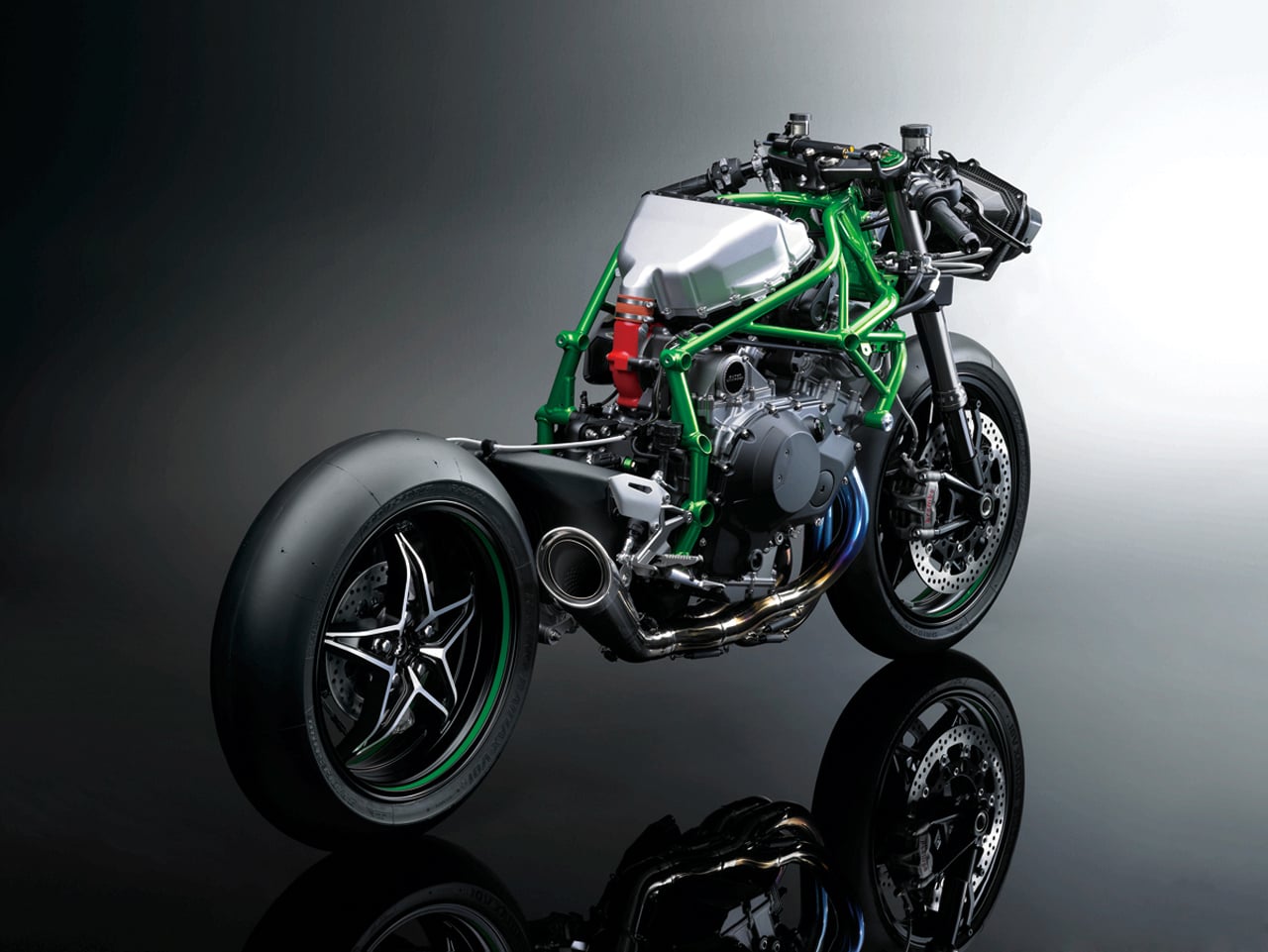
The Office of the Comptroller of the Currency (OCC) has once again ignited the financial world with a creation that defies convention. Not content with reshaping regulations or redefining banking paradigms, the OCC has unveiled a commemorative bike—a gleaming, two-wheeled homage to innovation, rebellion, and the relentless pursuit of progress. This isn’t just a bicycle; it’s a rolling manifesto, a metallic ode to the audacity of those who dare to reimagine the status quo. As the wheels turn, they carry not just weight, but the weight of history, the hum of revolution, and the silent promise of a future where tradition is merely a suggestion.
The Birth of a Paradox: When Tradition Meets Rebellion
The OCC’s commemorative bike is a study in contradictions. On one hand, it is a tribute to the institution’s storied past, its polished frame etched with the hallmarks of legacy and authority. On the other, it is a defiant departure from the expected, a sleek, modern contraption that whispers of disruption rather than deference. The frame, forged from aerospace-grade titanium, gleams like a relic plucked from a sci-fi future, while the handlebars curve with the elegance of a calligrapher’s pen. It is as if the OCC has taken the rigid lines of bureaucracy and bent them into something fluid, something alive.
The wheels, too, tell a story. Each spoke is a thread in a larger tapestry, a metaphor for the interconnectedness of finance, technology, and human ambition. The front wheel, wider and more robust, symbolizes the OCC’s role as a stabilizing force in the tumultuous seas of banking. The rear wheel, narrower and agile, represents the nimble adaptability required to navigate an ever-shifting economic landscape. Together, they form a duality—a balance between strength and speed, between the old guard and the new frontier.

The Aesthetic of Disruption: Design as a Provocation
To behold the OCC’s commemorative bike is to witness design as a form of sedition. The frame is not merely functional; it is a canvas for ideological expression. The engravings along its length are not decorative flourishes but deliberate provocations—symbols of regulatory milestones, cryptic nods to financial revolutions, and the occasional cryptogram that only the initiated might decipher. The saddle, upholstered in hand-stitched leather dyed in the OCC’s signature deep blue, is both a throne and a challenge, inviting the rider to claim authority while questioning the very nature of it.
The color scheme is a deliberate affront to tradition. Where one might expect the staid hues of institutional decorum, the bike bursts forth in a palette of electric cobalt and molten gold, colors that evoke both the rigor of fiscal discipline and the electric thrill of innovation. Even the tires are unconventional, their treads patterned not with the usual grooves but with a fractal design that suggests infinite complexity—a nod to the ever-expanding labyrinth of financial systems.

The bike’s lighting system is another stroke of genius. Embedded LEDs pulse in rhythmic patterns, synchronized to the cadence of a rider’s pedaling, as if the machine itself is breathing. At night, it transforms into a constellation of light, a mobile aurora that trails behind the rider like a comet’s tail, leaving observers to wonder: Is this a tool of governance, or a beacon for those who seek to rewrite the rules?
The Ride of a Lifetime: A Metaphor in Motion
To ride the OCC’s commemorative bike is to embark on a journey that is as much philosophical as it is physical. The frame’s ergonomic design ensures that every pedal stroke is an act of communion between human and machine, a dance of precision and power. The gears shift with a whisper, a silent rebellion against the clunky mechanics of conventional bicycles. This is not a machine for the faint of heart; it is a steed for those who understand that progress is not a spectator sport.
The bike’s suspension system is a marvel of engineering, absorbing the bumps and jolts of the road with the grace of a diplomat navigating treacherous negotiations. It is a reminder that even in the most turbulent times, stability can be found—not by resisting the chaos, but by mastering its rhythm. The rider becomes a metaphor: a steward of order in a world of flux, a guardian of legacy who is not afraid to pedal into the unknown.
Consider the act of braking. On most bikes, it is a mundane affair, a necessary evil to slow one’s descent. But on the OCC’s commemorative bike, the brakes are a statement. They engage with a hydraulic precision that feels almost surgical, a controlled deceleration that mirrors the delicate balance between regulation and innovation. To brake is to assert control, to temper speed with wisdom—a lesson in restraint that resonates far beyond the confines of a cycling path.
The Unspoken Challenge: Who Dares to Ride?
The OCC’s commemorative bike is not for everyone. It is a siren call to those who see the world not as it is, but as it could be. The bike demands riders who are unafraid to challenge convention, who understand that the line between order and stagnation is thinner than it appears. It is a machine for the disruptors, the visionaries, the ones who look at a regulatory framework and see not a cage, but a springboard.
Yet, there is a paradox here. The bike is a celebration of the OCC’s authority, yet its very existence is a challenge to that authority. It asks: Can tradition and rebellion coexist? Can governance be both a shield and a catalyst for change? The answer lies not in the bike itself, but in the hands that grip its handlebars. Will it be ridden by those who seek to preserve the old ways, or by those who will use it to carve new paths?
The bike’s limited production run—only 100 units, each with a serial number etched into its frame—further amplifies its mystique. It is not a commodity; it is a relic in the making, a future artifact that will be studied, debated, and mythologized. To own one is to hold a piece of history in your hands, a tangible reminder that the institutions we revere are not monoliths, but living, breathing entities capable of reinvention.
The Legacy of the Ride: More Than Metal and Motion
The OCC’s commemorative bike is more than a feat of engineering; it is a cultural artifact, a symbol of the tension between preservation and progress. It forces us to confront uncomfortable questions: What does it mean to honor the past while hurtling toward the future? Can an institution built on regulation also be an engine of revolution? The bike does not provide answers. Instead, it invites us to ride, to feel the wind in our faces, and to decide for ourselves where the journey will lead.
In a world where financial systems are increasingly abstract, where transactions occur in the ether and regulations are debated in digital forums, the OCC’s commemorative bike is a grounding force. It reminds us that progress is not just about algorithms and spreadsheets; it is about the tangible, the tactile, the real. It is about the sweat on a rider’s brow, the ache in their legs, the moment when they realize that the road ahead is theirs to shape.
As the bike glides into the sunset, its lights flickering like distant stars, it leaves behind a trail of questions. What will the next rider do with this machine? Will they use it to uphold the status quo, or will they pedal furiously toward a horizon only they can see? One thing is certain: the OCC’s commemorative bike is not just a ride. It is a revolution on two wheels.