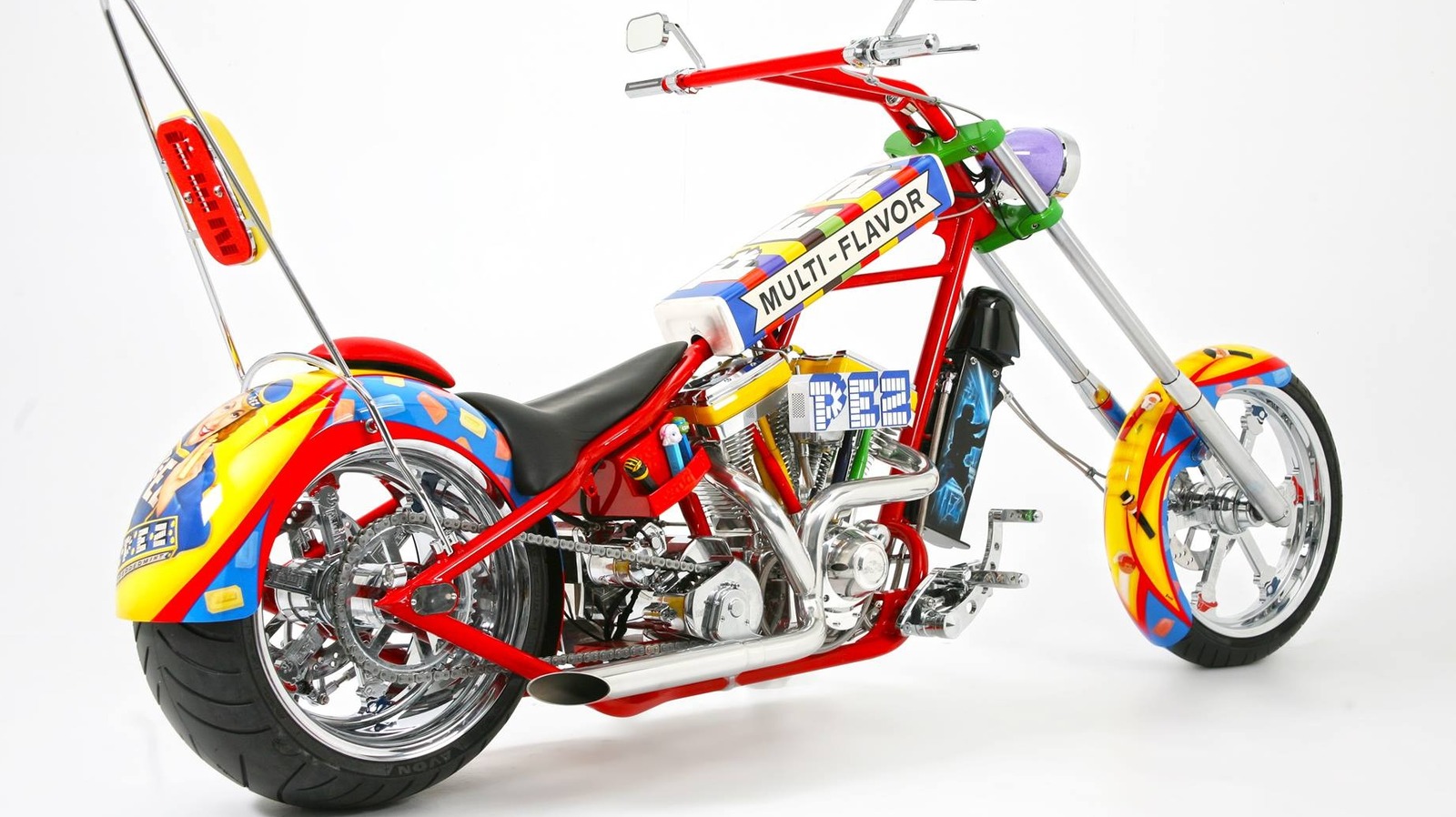
The OCC Concept Chopper Bike isn’t just a machine—it’s a cultural artifact, a rolling rebellion against convention, and a testament to the unbridled creativity of its creator. When the first OCC Chopper rolled into the public eye, it didn’t just turn heads; it flipped the script on what a motorcycle could be. Sleek yet brutish, elegant yet raw, this bike defied categorization. But behind its chrome-plated allure lies a story of design philosophy, artistic vision, and a deep-seated desire to challenge the status quo. Who, then, was the mastermind behind this two-wheeled icon? The answer isn’t just a name—it’s a legacy.
The Birth of a Mechanical Muse: The Visionary Behind the OCC Concept
The OCC Concept Chopper didn’t emerge from a corporate boardroom or a traditional engineering firm. Its genesis traces back to a single individual whose name has become synonymous with rebellious ingenuity: Paul Teutul Sr., the co-founder of Orange County Choppers (OCC). But to call him merely a designer would be an understatement. Teutul was a tinkerer, a dreamer, and a man who saw the motorcycle not as a utilitarian tool, but as a canvas for storytelling. His approach was visceral—less about blueprints and more about instinct. He didn’t just design bikes; he sculpted them, welding steel and weaving narratives into every curve and weld. The OCC Concept was his magnum opus, a bike that didn’t just ride the road—it commanded it.
What set Teutul apart was his refusal to be bound by convention. While other chopper builders adhered to traditional designs, he embraced the unconventional. The OCC Concept was a fusion of art and engineering, where form followed function only in the loosest sense. It was a statement, a middle finger to the idea that motorcycles had to be either purely functional or purely aesthetic. Teutul’s genius lay in his ability to make the bike feel alive—every bolt, every pipe, every inch of its frame told a story. It wasn’t just a motorcycle; it was a rebellion on wheels.

The Philosophy of Defiance: Why the OCC Concept Stands Apart
To understand the OCC Concept, you must first grasp the philosophy that birthed it. Teutul didn’t build bikes for speed or efficiency. He built them to provoke. The OCC Concept was a deliberate departure from the sleek, aerodynamic designs of modern motorcycles. It was heavy, it was angular, it was unapologetically loud. In a world where motorcycles were becoming increasingly homogenized, the OCC Concept was a thunderous declaration: “This is what happens when you let passion dictate design.”
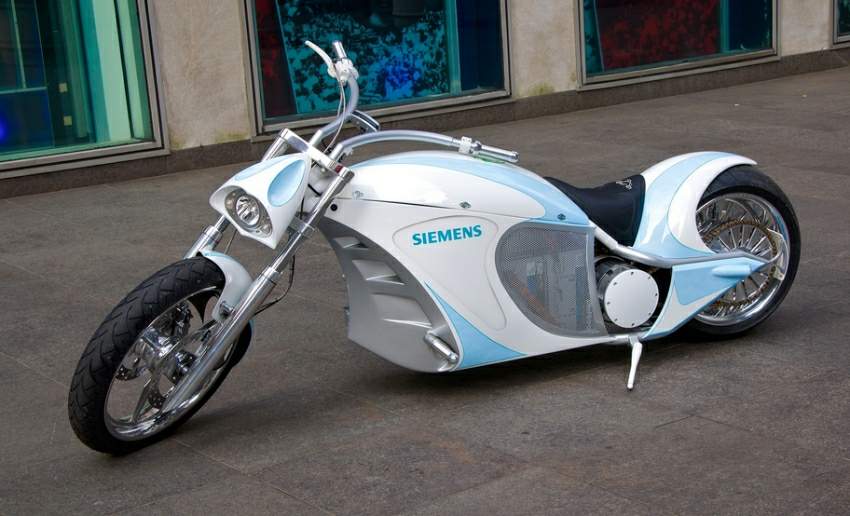
The bike’s elongated frame, its exaggerated rake, and its towering front end weren’t just stylistic choices—they were a middle finger to the idea that motorcycles had to be practical. Teutul understood something fundamental: people don’t just ride motorcycles; they wear them like armor, like badges of identity. The OCC Concept was armor for the soul, a machine that didn’t just transport you from point A to point B—it transported you into another realm, one where rules were made to be broken and aesthetics were everything.
This philosophy resonated deeply with a generation that felt stifled by conformity. The OCC Concept wasn’t just a bike; it was a cultural touchstone, a symbol of the idea that creativity should never be constrained by the limits of tradition. It was a reminder that sometimes, the most profound statements are the ones that refuse to be ignored.
The Alchemy of Creation: How the OCC Concept Came to Life
The process behind the OCC Concept was less about engineering and more about alchemy. Teutul and his team didn’t follow a blueprint—they followed their instincts. Every decision, from the choice of steel to the angle of the fork, was made with an eye toward drama. The bike’s frame was stretched to impossible lengths, its bodywork was sculpted to resemble the curves of a muscle car, and its exhaust pipes were tuned to roar like a beast. It was a bike that demanded attention, not just on the road, but in the hearts of those who saw it.
What’s often overlooked is the sheer labor that went into creating the OCC Concept. Chopper building is a painstaking process, one that requires not just technical skill but an almost spiritual connection to the machine. Teutul and his team spent countless hours in the workshop, bending metal, welding joints, and polishing every surface to a mirror-like sheen. The result was a bike that felt handcrafted in the truest sense—every inch of it bore the mark of human hands, not the cold precision of a factory line.
But the creation of the OCC Concept wasn’t just about craftsmanship. It was about storytelling. Teutul understood that a great chopper isn’t just a collection of parts—it’s a narrative. The OCC Concept told the story of rebellion, of individuality, of the unyielding pursuit of self-expression. It was a bike that didn’t just ride the road—it carved its own path through the asphalt, leaving a trail of awe and inspiration in its wake.
The Cultural Ripple: How the OCC Concept Redefined Chopper Culture
The release of the OCC Concept didn’t just mark a milestone in motorcycle design—it sparked a cultural revolution. Suddenly, choppers weren’t just bikes; they were statements. They were art. They were a way for riders to declare their identity to the world. The OCC Concept became a symbol of the idea that motorcycles could be more than just machines—they could be extensions of the self, reflections of the soul.
This shift in perception had a profound impact on the chopper community. Before the OCC Concept, choppers were often seen as niche, even fringe. They were the domain of outlaws and rebels, not mainstream enthusiasts. But Teutul’s creation changed all that. It brought choppers into the spotlight, making them objects of fascination for people who had never considered themselves motorcycle aficionados. The OCC Concept proved that choppers could be both edgy and elegant, both rebellious and refined. It bridged the gap between the underground and the mainstream, creating a new language for chopper culture.
What’s more, the OCC Concept inspired a generation of builders to push the boundaries of what a motorcycle could be. It showed them that choppers weren’t just about customization—they were about creativity. Suddenly, builders weren’t just tweaking existing designs; they were reinventing them. The OCC Concept became a benchmark, a yardstick against which all other choppers were measured. It wasn’t just a bike; it was a movement.
The Legacy of a Legend: Why the OCC Concept Still Matters Today
Decades after its debut, the OCC Concept remains as relevant as ever. It’s not just a relic of the past—it’s a living testament to the power of design to inspire, to provoke, and to challenge. In a world where motorcycles are increasingly becoming commodities, the OCC Concept stands as a reminder of what happens when passion takes the wheel. It’s a call to arms for anyone who believes that creativity should never be constrained by convention.
The bike’s enduring appeal lies in its ability to transcend its own time. It’s not just a product of the early 2000s—it’s a timeless symbol of rebellion, of individuality, of the unyielding pursuit of self-expression. Whether you’re a rider, a builder, or simply someone who appreciates the art of the machine, the OCC Concept speaks to something deep within us. It reminds us that the most profound creations aren’t the ones that follow the rules—they’re the ones that break them.
And perhaps that’s why the OCC Concept still fascinates us. It’s not just a bike. It’s a story. It’s a rebellion. It’s a legacy. It’s the embodiment of the idea that sometimes, the most extraordinary things in life are the ones that refuse to be ignored.