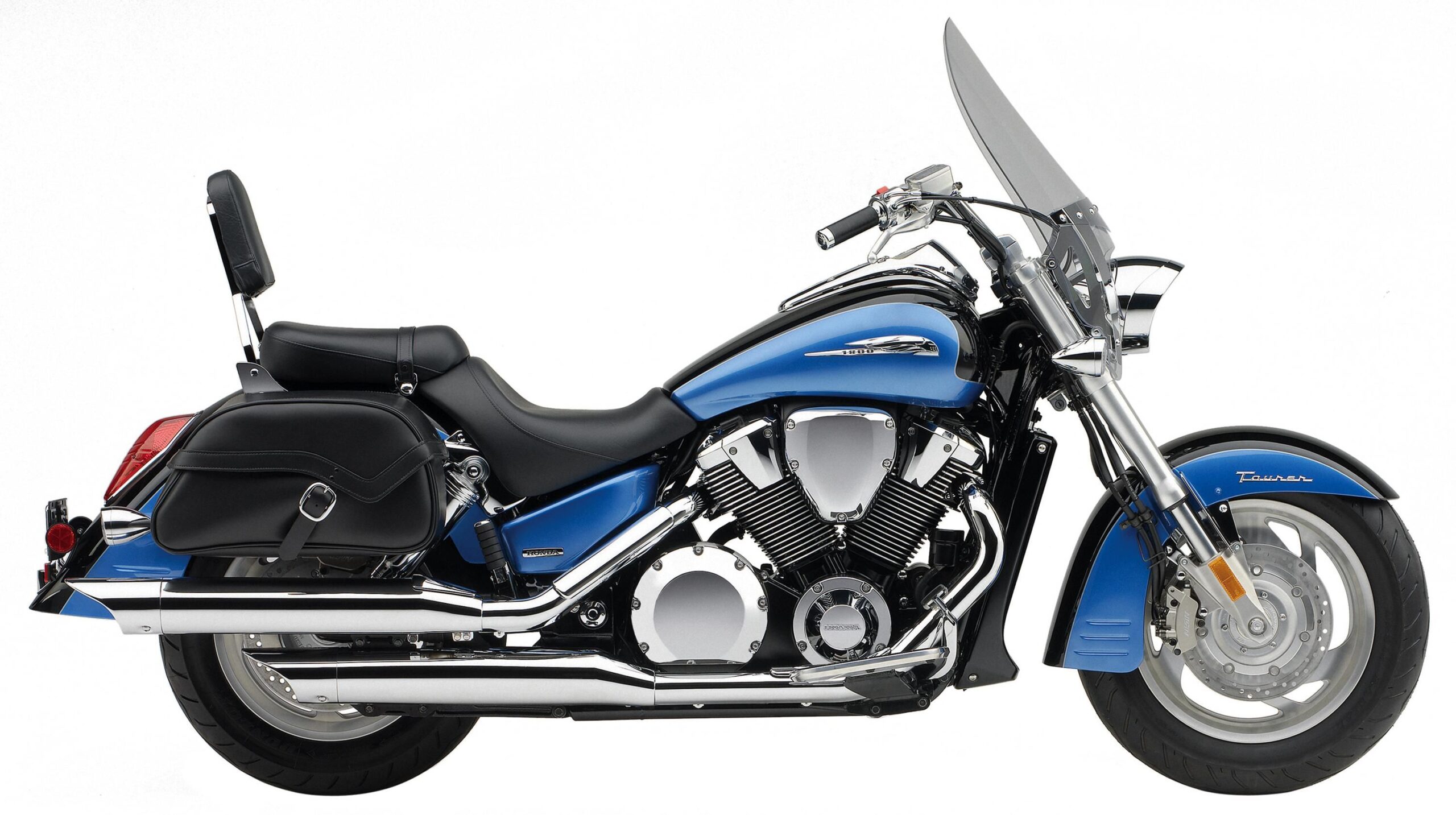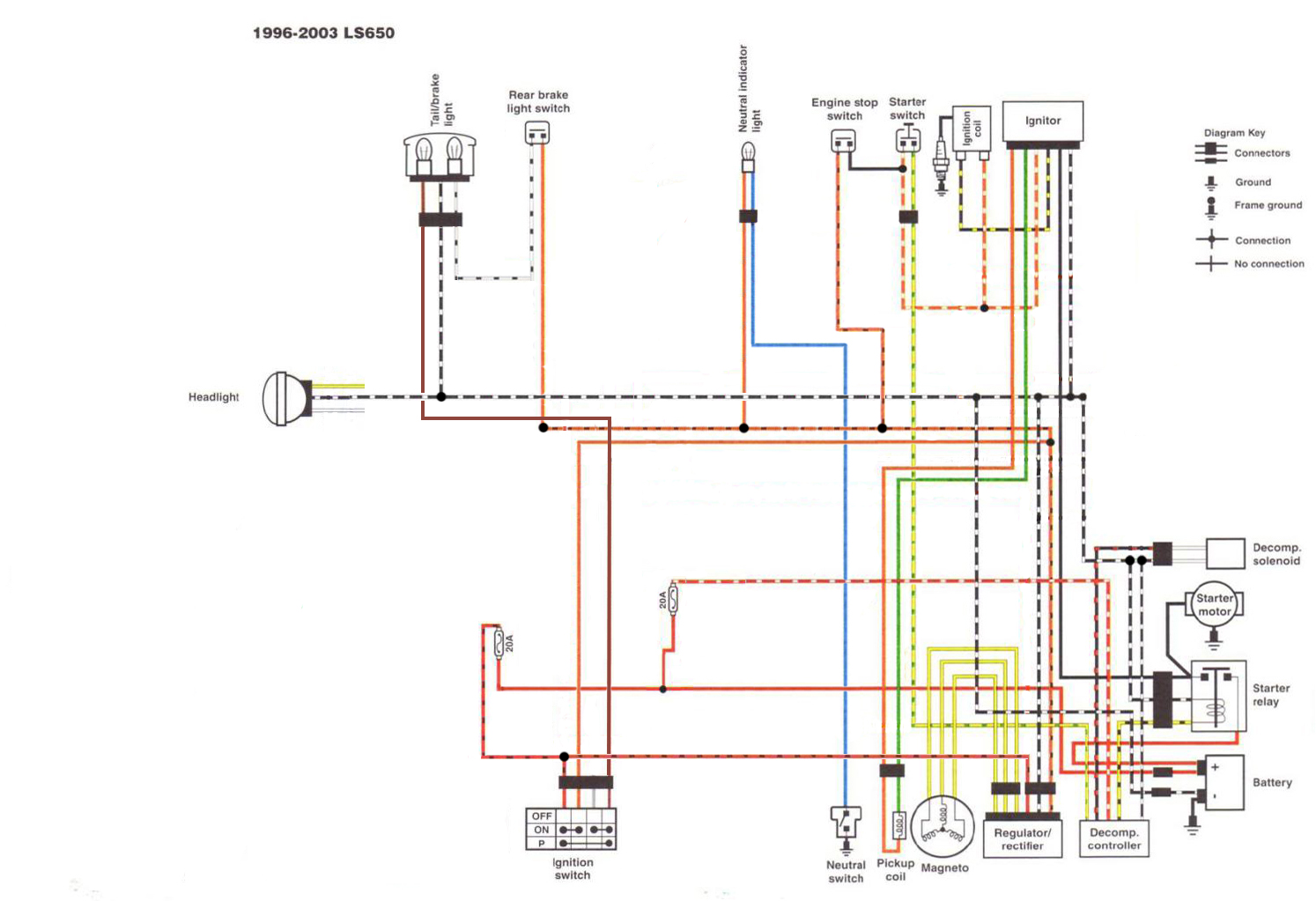
There’s something undeniably magnetic about a chopper—its raw, unfiltered aesthetic, the way it commands attention without uttering a word. But beneath the gleaming chrome and the growl of its engine lies a labyrinth of wires, a silent symphony of connections that brings the machine to life. For the DIY builder, wiring isn’t just a technical hurdle; it’s the nervous system of the beast, the difference between a bike that hums with purpose and one that sputters into oblivion. The right wiring kit doesn’t just simplify the process—it transforms it from a daunting puzzle into a creative act of engineering. Whether you’re a seasoned tinkerer or a first-time chopper builder, the market offers solutions that balance simplicity with power, turning what was once a chore into a source of pride.
The Allure of Simplicity: Why Wiring Kits Matter
Every chopper builder knows the frustration: staring at a tangle of wires, wondering if the ignition will spark or the lights will flicker. Traditional wiring harnesses are notorious for their complexity, often requiring a degree in electrical engineering to decipher. This is where wiring kits step in—not as a crutch, but as a catalyst for creativity. A well-designed kit condenses years of trial and error into a plug-and-play solution, allowing builders to focus on the artistry of their design rather than the mechanics of connectivity. It’s not just about saving time; it’s about reclaiming the joy of building. When the wiring is handled, the real magic begins—the shaping of metal, the selection of components, the personal touches that make a chopper unmistakably yours.
Consider the psychological shift: a simplified wiring kit turns a chore into a canvas. Instead of wrestling with brittle insulation and cryptic diagrams, you’re free to experiment. Want to add a custom LED strip under the frame? No problem. Need to integrate a modern touchscreen gauge cluster? Go for it. The best kits don’t just connect wires—they unlock possibilities. They’re the difference between a bike that works and a bike that *feels* alive, a machine that responds to your touch with the precision of a finely tuned instrument.
Key Features to Look for in a Wiring Kit
Not all wiring kits are created equal. The market is flooded with options, from bare-bones bundles to comprehensive systems with pre-installed fuses, relays, and even Bluetooth connectivity. To cut through the noise, focus on these critical features:
Modularity: A modular kit allows you to add or remove components as your build evolves. Need to upgrade to a high-performance alternator later? A modular system lets you swap components without rewiring the entire bike. This adaptability is crucial for builders who see their chopper as a lifelong project rather than a one-time build.
Color-Coded Wires: The bane of many builders’ existence is deciphering which wire goes where. A kit with color-coded, labeled wires eliminates guesswork. Look for kits that use industry-standard colors (red for power, black for ground, etc.) and include a clear schematic. Some premium kits even include heat-shrink tubing pre-applied to the ends, reducing the risk of shorts and making installation a breeze.
Pre-Terminated Connections: The fewer connections you have to make, the fewer opportunities for error. High-quality kits come with pre-terminated wires, factory-style connectors, and even crimped terminals. This not only speeds up installation but also ensures a professional-grade finish. No more frayed wires or loose connections that could leave you stranded on the side of the road.
Built-In Safety Features: A wiring kit is only as good as its ability to protect your bike—and you. Look for kits with integrated fuse blocks, voltage regulators, and even overload protection. Some advanced systems include CAN bus compatibility, allowing for seamless integration with modern electronics like traction control or ride-by-wire throttles. Safety shouldn’t be an afterthought; it should be the foundation of your build.
Compatibility: Not all kits play nice with every chopper. Before purchasing, verify that the kit supports your engine type (single-cylinder, V-twin, etc.), ignition system, and electrical accessories. Some kits are designed specifically for Harley-Davidsons, while others cater to custom builders working with aftermarket frames. Double-check the specifications to avoid costly mismatches.
Top Picks: Simplified Wiring Kits for Every Builder
With so many options available, narrowing down the best wiring kits can feel overwhelming. Here are three standout choices, each catering to different needs and budgets:
1. The Plug-and-Play Pro: Custom Wiring Solutions’ EZ-Harness
For builders who want a no-fuss, high-performance solution, the EZ-Harness from Custom Wiring Solutions is a game-changer. This kit includes a pre-wired main harness, a fuse block, and a voltage regulator, all color-coded and labeled for easy installation. What sets it apart is its compatibility with a wide range of engines and its ability to integrate with aftermarket electronics. Whether you’re running a vintage Shovelhead or a modern LS engine, the EZ-Harness adapts without requiring a complete overhaul. It’s the closest thing to a turnkey solution for chopper builders who refuse to compromise on quality or simplicity.

2. The Budget-Friendly Innovator: DIY Moto’s Universal Wiring Kit
Not every builder has the budget for a premium kit, but that doesn’t mean they should settle for subpar wiring. DIY Moto’s Universal Wiring Kit is a budget-friendly alternative that punches above its weight. Designed for builders working with older or custom frames, this kit includes a main harness, a fuse block, and all necessary connectors. While it lacks some of the bells and whistles of higher-end options, it makes up for it with its straightforward design and clear instructions. It’s an ideal choice for first-time builders or those working on a tight budget who still want a reliable, professional-grade solution.

3. The Tech-Savvy Builder’s Dream: British Chopper Wiring’s Digital Integration Kit
For builders who crave modern amenities, British Chopper Wiring’s Digital Integration Kit is a revelation. This kit goes beyond traditional wiring, incorporating digital controls, Bluetooth connectivity, and even smartphone app integration. Imagine adjusting your bike’s lighting, monitoring battery voltage, or diagnosing electrical issues—all from your phone. The kit is designed to work seamlessly with aftermarket gauges, LED lighting, and other high-tech accessories, making it a perfect fit for builders who want their chopper to feel as cutting-edge as it looks. It’s not just a wiring kit; it’s a gateway to a smarter, more connected riding experience.

Common Pitfalls and How to Avoid Them
Even the best wiring kit can’t save you from common mistakes that plague DIY builders. Here’s what to watch out for—and how to sidestep these pitfalls:
Overlooking Grounding: A chopper’s electrical system is only as strong as its ground connections. Many builders make the mistake of assuming that a single ground wire is sufficient. In reality, each major component (engine, battery, lights, etc.) should have its own dedicated ground wire, connected to a central grounding point. Skimping on grounding can lead to erratic behavior, flickering lights, or even fried electronics. Always double-check your ground connections before powering up the system.
Ignoring Voltage Drop: Long wire runs and poor connections can cause voltage drop, robbing your bike of the power it needs to run smoothly. To combat this, use the thickest gauge wire possible for power runs and keep connections clean and tight. A voltage drop test (using a multimeter) can reveal hidden issues before they become major problems. Remember: a chopper’s electrical system should be as robust as its frame.
Skipping the Fuse Block: Fuses aren’t just for safety—they’re your first line of defense against electrical fires. Never bypass or under-specify fuses in an attempt to “save” power. A properly sized fuse block protects your bike from shorts, overloads, and other electrical gremlins. If your kit doesn’t include a fuse block, invest in one. It’s a small price to pay for peace of mind.
Assuming All Wires Are Equal: Not all wires are created equal. Cheap, thin-gauge wire can overheat, fray, or fail under load. Always use high-quality, automotive-grade wire with the appropriate gauge for the current it will carry. For power runs, 12-14 AWG is typically sufficient, while smaller gauges (18-20 AWG) can be used for signal wires. And never, ever use household wire—it’s not designed for the vibrations, temperature swings, or electrical demands of a motorcycle.
The Deeper Fascination: Why Wiring Captivates the DIY Builder
There’s a primal satisfaction in seeing a pile of parts transform into a rolling work of art. But wiring? Wiring is where the magic truly happens. It’s the moment when the abstract becomes tangible, when a jumble of wires and connectors coalesce into a system that hums with life. For the DIY builder, wiring is more than a task—it’s a ritual, a rite of passage. It’s the difference between a bike that sits in the garage and one that roars to life under your hands, a machine that responds to your touch with the precision of a dancer.
This fascination runs deeper than mere functionality. Wiring is the language of the chopper, a silent dialogue between rider and machine. A well-wired bike doesn’t just start—it *communicates*. The way the lights flicker to life, the smooth purr of the ignition, the responsive thrum of the engine—it’s all part of a conversation. And when you’ve wired it yourself? That conversation is yours alone to conduct. It’s a bond that transcends the mechanical, a testament to the builder’s skill and vision.
In a world of mass-produced machines, wiring your own chopper is an act of rebellion. It’s a declaration that you don’t just want a bike—you want a *creation*. A machine that reflects your personality, your tastes, your very soul. And when you flip the switch for the first time, when the engine roars to life and the world blurs into a streak of chrome and steel, you’ll understand why this craft captivates builders the world over. It’s not just about the destination; it’s about the journey—the sparks, the sweat, and the sheer joy of making something extraordinary from the ground up.