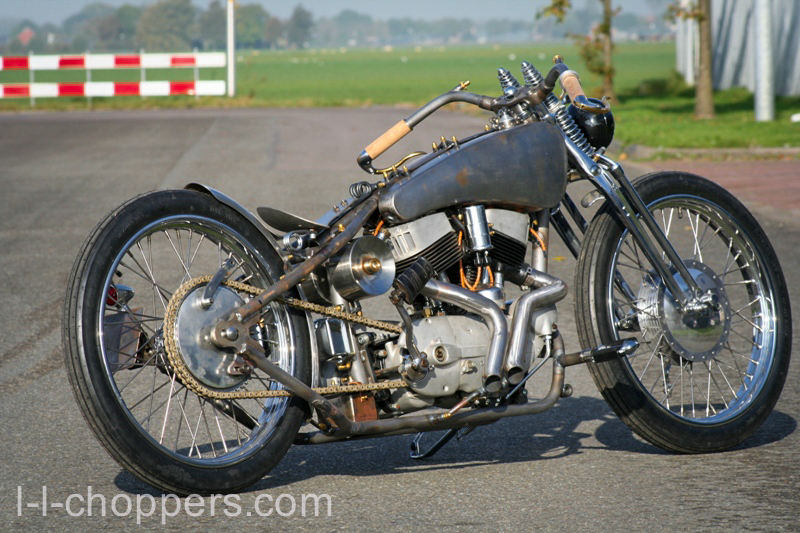
What if the roar of a bygone era could be harnessed into the sleek, roaring beast of a modern chopper? The answer lies in the resurgence of board tracker inspired choppers—a fusion of vintage racing aesthetics and raw, unbridled customization. These machines aren’t just motorcycles; they’re rolling tributes to the golden age of speed, where every curve and line tells a story of rebellion and precision. But can the spirit of a 1920s board track racer truly thrive in the 21st century? Let’s rev up the engine and find out.
The Allure of Board Tracker Racing: A Forgotten Era Revisited
Board track racing was the adrenaline-fueled spectacle of the early 20th century, where daredevils raced motorcycles on oval wooden tracks at breakneck speeds. These tracks, often constructed from planks laid end-to-end, were treacherous—yet that danger only amplified the thrill. The machines of that era were stripped-down, lightweight beasts, their engines howling as they carved through the curves with reckless abandon. Today, the aesthetic of these racers has been reborn in the form of board tracker inspired choppers, where the raw, unfiltered essence of speed meets the artistry of custom fabrication.
Imagine a motorcycle where the minimalist design of a board tracker racer is married to the exaggerated, muscular lines of a modern chopper. The result? A machine that doesn’t just look fast—it *feels* fast. The elongated forks, the exposed engines, the lack of superfluous fairings—every element is a deliberate nod to the past, yet every weld and bolt is a testament to contemporary craftsmanship. These choppers aren’t just vehicles; they’re rolling sculptures, each one a love letter to the pioneers who raced on wooden tracks a century ago.
Design Elements: Stripped-Down Elegance Meets Custom Brutality
The hallmark of a board tracker inspired chopper is its unapologetic minimalism. Gone are the days of bulky fairings and overly complex electronics. Instead, these machines embrace the raw, skeletal beauty of their predecessors. The frame is often a rigid, unadorned backbone, with the engine exposed like a beating heart. The wheels are wide, the tires knobby—designed to grip the asphalt as if the bike were still tearing down a wooden oval. And the handlebars? They’re low, aggressive, forcing the rider into a crouched, aerodynamic stance that harks back to the board track racers of yesteryear.
But don’t mistake this for a lack of customization. The beauty of board tracker choppers lies in their adaptability. Some builders opt for a vintage-inspired aesthetic, with brass accents, leather seats, and hand-forged components. Others push the envelope further, incorporating modern materials like carbon fiber or titanium to shave off weight while maintaining that raw, industrial look. The challenge? Balancing authenticity with innovation. How do you pay homage to the past without getting lost in nostalgia? The answer lies in the details—the way the exhaust pipes curve like the wings of a bird of prey, or how the seat’s stitching mimics the grain of the wood from a board track’s surface.
The Engine: Where Power Meets Poetry
An engine is more than just a heart—it’s the soul of a board tracker inspired chopper. These machines often feature high-performance V-twin engines, their rumbling growl a symphony of mechanical precision. Some builders favor the classic Harley-Davidson Milwaukee-Eight, while others opt for the raw, untamed power of an Indian Scout or a custom-built unit. The key is to choose an engine that not only delivers brute force but also complements the bike’s aesthetic. A polished, chrome-plated engine might evoke the gleaming machines of the 1920s, while a matte-black, billet-aluminum powerplant could lend a more modern, aggressive edge.
The real magic happens when the engine is left exposed, its gleaming components visible to the naked eye. There’s something primal about watching the pistons churn, the valves clatter, the oil circulate—it’s a reminder that this machine is alive, a mechanical beast that thrives on the open road. But with great power comes great responsibility. The challenge for builders is to ensure that the engine’s performance matches its visual impact. A board tracker chopper isn’t just a showpiece; it’s a rider’s companion, demanding respect and rewarding skill with every twist of the throttle.
Riding the Line: The Duality of Form and Function
Here’s the conundrum: a board tracker inspired chopper must be both a work of art and a functional machine. It’s easy to get lost in the aesthetics—after all, these bikes are stunning, with their elongated frames and vintage-inspired details. But a chopper that can’t handle the demands of the road is little more than a static sculpture. The true test of a board tracker chopper’s worth lies in its rideability. Can it carve through corners with the precision of a board track racer? Can it handle the vibrations of a long highway cruise without rattling itself apart? Can it stop on a dime when the need arises?
The answer, more often than not, is a resounding yes. Modern builders have mastered the art of blending vintage aesthetics with contemporary engineering. Suspension systems are tuned for comfort and control, brakes are upgraded for reliability, and ergonomics are carefully considered to ensure that the rider isn’t left contorted after a few miles. The challenge, however, is in finding the perfect balance. Too much modern refinement, and the bike loses its raw, unfiltered character. Too little, and it becomes a nightmare to ride. The sweet spot? A machine that feels like it was plucked from a 1920s racetrack but rides like a dream on today’s roads.
Customization: The Ultimate Expression of Individuality
No two board tracker inspired choppers are alike. That’s the beauty—and the challenge—of customization. Every builder approaches the task with a unique vision, resulting in machines that are as diverse as the riders who commission them. Some opt for a monochromatic palette, with black and silver dominating the design. Others embrace bold colors, with flame motifs or intricate pinstriping that hark back to the art deco era. The choice of materials is equally varied, from hand-welded steel frames to bespoke leather seats dyed in deep, rich hues.
The real artistry lies in the details. A board tracker chopper might feature a custom-made fuel tank shaped like a teardrop, or a seat that mimics the contours of a wooden board track. The exhaust system could be a work of art in itself, with headers that twist and turn like the tracks they’re inspired by. Even the smallest elements, like the handlebar grips or the footpegs, are carefully selected to enhance both form and function. The challenge for builders is to ensure that every modification serves a purpose, whether it’s improving aerodynamics, enhancing comfort, or simply adding a touch of personality. After all, a board tracker chopper isn’t just a motorcycle—it’s an extension of the rider’s soul.
The Future of Board Tracker Choppers: A Timeless Trend
As the custom motorcycle scene continues to evolve, board tracker inspired choppers show no signs of fading into obscurity. If anything, they’re gaining momentum, with builders and riders alike drawn to their unique blend of history and innovation. The challenge now is to keep the spirit of board track racing alive while pushing the boundaries of what’s possible. Can we expect to see electric board tracker choppers, silent yet blisteringly fast? Will we witness the rise of hybrid machines that combine the best of vintage and modern technology? Only time will tell.
One thing is certain: the allure of board tracker choppers lies in their ability to transcend time. They’re not just motorcycles; they’re time machines, capable of transporting riders to a bygone era while hurtling them into the future. And in a world where conformity often reigns supreme, these machines stand as a testament to the power of individuality. So, the next time you see a board tracker inspired chopper, don’t just admire its beauty—ask yourself: Could you handle the challenge of riding one?