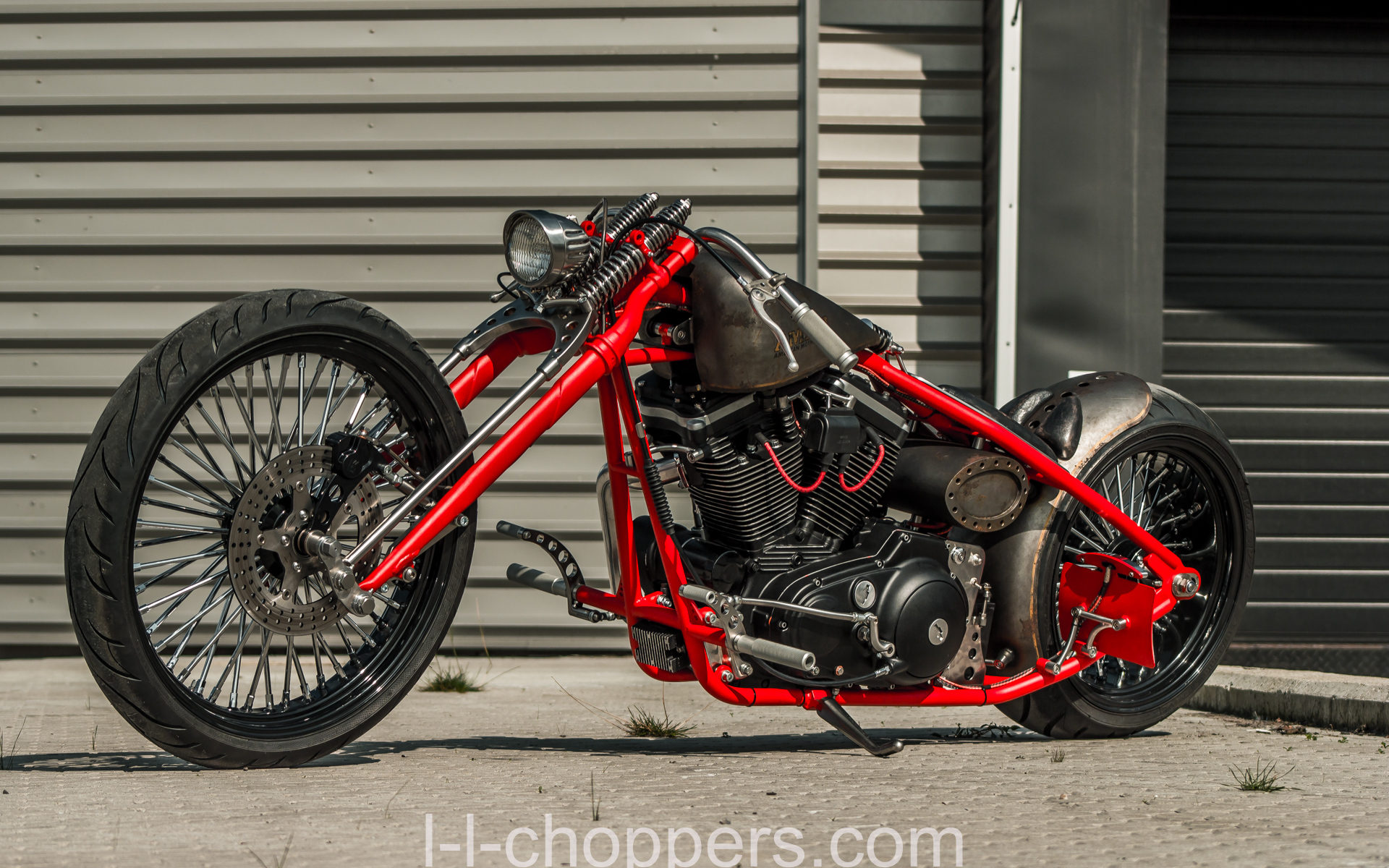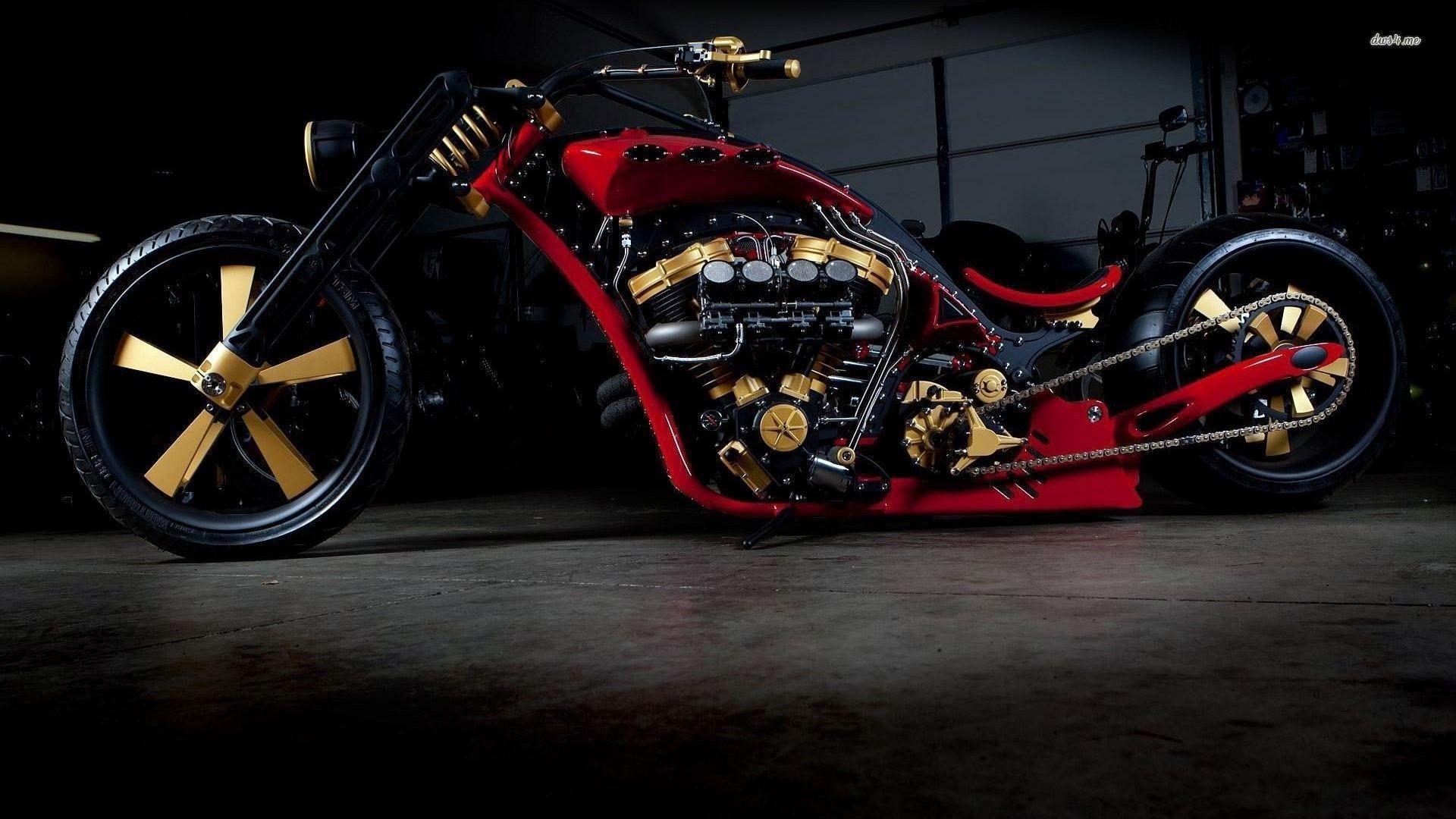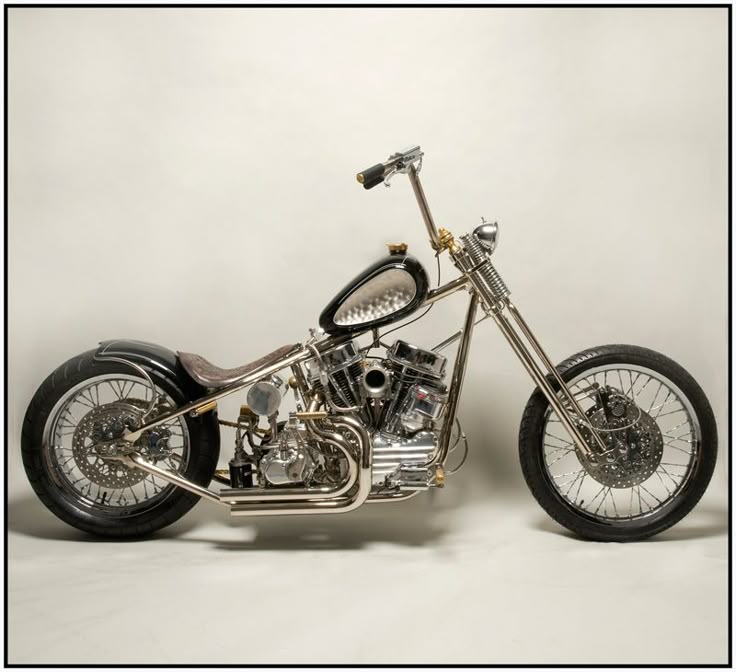
There’s a moment, just before the engine roars to life, when the world narrows to the gleam of chrome and the whisper of a dream. It’s the instant you realize: this isn’t just a motorcycle. It’s a rebellion on two wheels, a rolling manifesto of freedom carved from steel and sinew. But rebellion has a price—and for many, that price has always been the barrier between desire and reality. Until now.
The Myth of the Unaffordable Dream: Why $10k Changes Everything
For decades, the custom chopper market has been a playground for the well-heeled, where six-figure price tags were as common as the rumble of a V-twin. But what if I told you that the golden age of affordable rebellion isn’t some distant fantasy—it’s here, and it’s priced to move? The $10,000 threshold isn’t just a number; it’s a seismic shift in the motorcycle zeitgeist. It’s the difference between dreaming in the garage and riding into the sunset.
Consider this: the average price of a new Harley-Davidson is now pushing $20,000, and even base models of cruisers from other brands hover around $12,000. Yet, beneath the sheen of showroom floors, a parallel universe thrives—one where artisans and backyard builders craft masterpieces for a fraction of the cost. These aren’t stripped-down novelties; they’re rolling works of art, built for the road, not the bank account.
Where the Rubber Meets the Road: Online Marketplaces That Don’t Scream “Tourist Trap”
Gone are the days when Craigslist was the only game in town. Today, a new breed of digital bazaars caters specifically to the chopper connoisseur on a budget. Platforms like BikeWale, CycleTrader, and even Facebook Marketplace have become veritable goldmines for those willing to dig past the polished listings. But here’s the secret: the best deals aren’t always the first ones you see. They’re buried in the backwaters of the internet, where sellers post because they’re upgrading, not because they’re desperate.
Pro tip: Set up alerts for keywords like “project bike,” “needs TLC,” or “bare bones.” These phrases are the linguistic breadcrumbs left by sellers who either don’t understand the value of their creation or are in a hurry to offload it. And always, always, message before calling. A few well-placed questions—“What’s the backstory?” “Any frame damage?” “Can I see it in daylight?”—can separate a gem from a glorified lawn ornament.
The Art of the Haggle: Turning a Seller’s Regret Into Your Ride
Negotiation isn’t a skill; it’s a survival tactic in the world of cheap custom choppers. The key? Never let the seller set the emotional tone. If they’re gushing about how “rare” the bike is, they’re already emotionally invested—and that’s your opening. Start low, but not absurdly so. A 20% discount is a reasonable first bid, but frame it as a win-win: “I’ll take it off your hands today if you knock off $X.” Cash talks, and in the chopper world, it talks louder than credit scores.
But here’s where most buyers stumble: they forget that choppers are, at their core, mechanical art. A $5,000 bike with a fresh paint job and a rebuilt engine is worth more than a $3,000 bike with a seized transmission. Learn to read between the lines of a listing. “Runs great” often means “runs great… when it feels like it.” “Needs minor work” is code for “needs a new transmission.” And “project bike”? That’s just a polite way of saying “your weekend project.”
Salvage Yards and Scrap Heaps: The Alchemy of Turning Junk Into Gold
If the idea of a chopper built from the bones of forgotten machines excites you, then salvage yards are your new cathedral. These graveyards of steel are where the real magic happens. A rusted frame here, a set of forks there, a donor engine from a yard sale—combine them with patience and a welder’s touch, and you’ve got a bike that’s 100% yours. The trick? Knowing what to look for and what to walk away from.
Start with the frame. It should be straight, with no cracks or severe rust. Next, inspect the engine. A seized motor is a dealbreaker, but a high-mileage one? That’s just character. Wheels, brakes, and suspension are easier to replace, so don’t get hung up on cosmetics. And always, always bring a magnet. If it sticks, it’s steel. If it doesn’t, it’s aluminum—and aluminum frames are rare in the chopper world for a reason.

Local Legends: The Unsung Heroes of the Chopper Underground
Every city has them: the back-alley builders, the garage gurus, the guys who weld before they sleep. These are the people who don’t just sell bikes—they craft legacies. And they don’t advertise on billboards. You’ll find them in the comments sections of local forums, at bike nights in dive bars, or lurking in the shadows of motorcycle swap meets. They’re the reason why a $10,000 chopper can sometimes be found for $6,000—because they’d rather build bikes than chase profits.
How do you find them? Start by showing up. Not just once, but consistently. Bring donuts. Ask questions. Let them see that you’re serious, not just another browser with a credit card. And when they trust you, they’ll start calling you when something good comes in. That’s when the real deals happen—not in the cold light of a digital listing, but in the warm glow of a garage where the air smells like oil and ambition.
The Hidden Costs: Why Your $5k Bike Might Cost $8k by Summer
Here’s the brutal truth: the sticker price is just the beginning. A $5,000 chopper can easily balloon into an $8,000 project once you factor in parts, labor, and the inevitable “oops” moments. That’s why seasoned buyers always pad their budget by 30%. It’s not pessimism; it’s preparation. And it’s the difference between a bike that’s a joy to ride and one that’s a money pit with wheels.
Start with the essentials: tires, brakes, and a chain. These aren’t optional upgrades; they’re safety necessities. Then, consider the aesthetics. A fresh paint job can cost anywhere from $500 to $2,000, depending on the complexity. Upholstery? Another $300–$800. And if you’re not doing the work yourself, labor rates for a full build can run $15–$30 per hour. Suddenly, that $5,000 bike is looking a lot more expensive.
But here’s the silver lining: every dollar you spend on upgrades is a dollar that increases the bike’s value. A well-built chopper under $10k isn’t just a ride; it’s an investment. And in a market where prices are climbing faster than Harley’s stock, that’s a rare thing indeed.
The Final Ride: When the Stars Align and the Bike is Yours
There’s a moment, just before you sign the papers, when the universe seems to hold its breath. The seller’s hand trembles slightly as they pass you the keys. The sun glints off the chrome in a way that feels almost intentional. And you realize: this isn’t just a purchase. It’s a covenant. A promise that you and this machine will write a new chapter in the great American road tale.
That’s the power of finding a custom chopper under $10k. It’s not about saving money. It’s about reclaiming a piece of the dream that so many have tried to commodify. It’s about proving that rebellion doesn’t have to be expensive to be authentic. And it’s about the open road, waiting just beyond the driveway.
So go ahead. Take the leap. The best deals aren’t found—they’re earned. And the ride of a lifetime? It starts with a single payment.