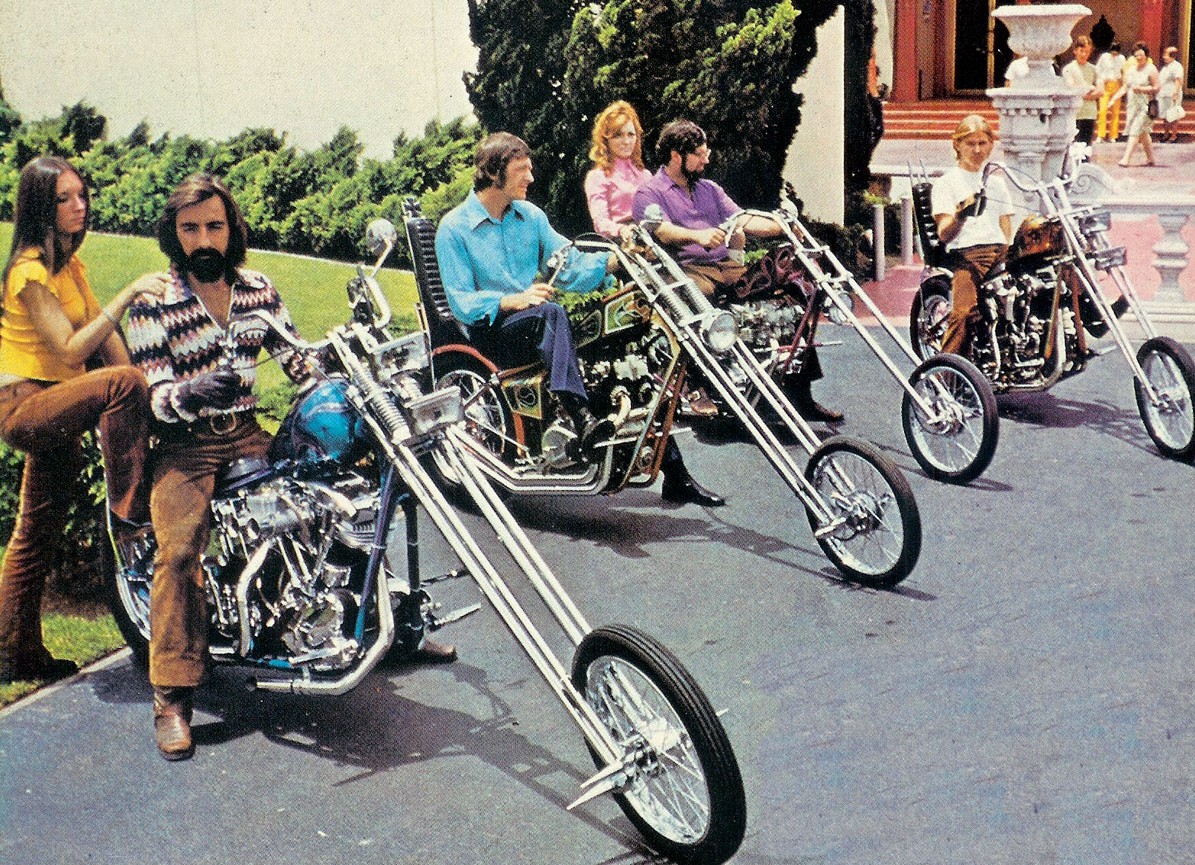
There’s something undeniably magnetic about the silhouette of a chopper rider—leaning into the wind, boots planted firmly on the footpegs, the machine humming beneath them like a second heartbeat. But what truly anchors that image isn’t just the bike or the leather jacket; it’s the boots. Specifically, the choice between harness biker boots and engineer biker boots. These aren’t just footwear; they’re declarations of intent, whispers of rebellion, and, perhaps most importantly, the silent guardians of every mile ridden. Yet, despite their shared DNA, harness and engineer boots serve distinct purposes, cater to different riding styles, and carry their own cultural weight. Understanding their differences isn’t just about aesthetics—it’s about unlocking the deeper psychology of why certain riders gravitate toward one over the other.
The Anatomy of Rebellion: What Defines a Biker Boot
Before diving into the harness vs. engineer debate, it’s essential to grasp what makes a biker boot more than just a sturdy shoe. Unlike casual footwear, biker boots are engineered for protection, grip, and durability. They typically feature reinforced toes, oil-resistant soles, and ankle support to shield riders from the elements and the road. But beyond function, they’re steeped in symbolism. A well-worn pair of biker boots tells a story—of miles logged, of roads conquered, of a lifestyle embraced. The stitching, the buckles, the height of the shaft—each element is a deliberate choice, a nod to tradition or a break from it.
This is where the distinction between harness and engineer boots begins to take shape. Harness boots, with their signature buckled straps and sleek profiles, evoke the raw energy of early motorcycle culture. They’re the boots of outlaws and rebels, designed to withstand the rigors of long rides while making a statement. Engineer boots, on the other hand, trace their roots to the railroad workers who needed sturdy footwear to navigate the dangers of the tracks. Their flat soles, minimal buckles, and utilitarian design speak to a different kind of grit—one rooted in practicality and understated strength.
Harness Boots: The Pulse of the Open Road
If biker boots had a heartbeat, harness boots would be the rhythm that keeps it steady. These boots are built for riders who live for the freedom of the open road, where every twist in the highway demands precision and control. The defining feature of harness boots is the buckled straps that crisscross the shaft, a design borrowed from equestrian gear. These straps aren’t just decorative; they serve a critical function, ensuring the boot stays snug against the rider’s leg, even at high speeds or during sudden stops. The higher shaft also provides additional ankle support, a crucial element for riders who spend hours in the saddle.
But harness boots aren’t just about function—they’re about attitude. The buckles, often polished to a gleam or left deliberately rustic, add a touch of rugged elegance. They’re the boots of choice for chopper riders who want to blend speed with style, who see their boots as an extension of their bike’s aesthetic. Whether paired with denim or leather, harness boots command attention, their presence as much a part of the rider’s identity as the bike itself.

Engineer Boots: The Unsung Heroes of the Ride
While harness boots steal the spotlight, engineer boots are the quiet powerhouses of the biker world. Their design is a masterclass in simplicity and functionality, with a flat sole for stability, a low shaft for flexibility, and minimal buckles that prioritize ease of movement. These boots are the choice of riders who value comfort and practicality above all else, whether they’re cruising down backroads or navigating urban chaos. The flat sole, often made from thick rubber or leather, provides unparalleled grip, while the low shaft allows for greater ankle articulation, essential for riders who need to feel every nuance of the road beneath them.
Engineer boots also carry a rich history, one that predates the motorcycle era. Their origins in railroad workwear give them an air of timelessness, a connection to a bygone era of hard labor and resilience. For modern riders, this heritage adds a layer of authenticity, a reminder that the spirit of the open road is as much about endurance as it is about speed. Unlike harness boots, which often feel like a statement piece, engineer boots are more like a trusted companion—reliable, unassuming, and always up for the journey.

The Psychology of Choice: Why Riders Gravitate Toward One Over the Other
The debate between harness and engineer boots isn’t just about function—it’s about identity. Riders don’t choose their boots lightly; they choose them as an extension of themselves. Harness boots, with their bold buckles and commanding presence, appeal to those who want to be seen. They’re the boots of the showman, the rider who wants to turn heads at every stoplight. The buckles, the height, the sleek lines—all of it speaks to a desire for visibility, for making an impression.
Engineer boots, on the other hand, attract riders who prefer to blend in. These boots are for the purists, the riders who see the road as a sanctuary rather than a stage. There’s a humility to engineer boots, a quiet confidence that doesn’t need to shout to be heard. They’re the choice of riders who value the journey over the destination, who find solace in the rhythm of the ride rather than the roar of the crowd.
But there’s another layer to this psychology: the role of nostalgia. Harness boots, with their equestrian roots, evoke a sense of adventure and rebellion, a connection to the outlaw biker culture of the mid-20th century. Engineer boots, with their railroad heritage, tap into a sense of resilience and craftsmanship, a reminder of the hands-on, do-it-yourself ethos that defines so many riders. Choosing one over the other isn’t just about practicality—it’s about aligning with a tradition, a set of values, a way of life.
Riding Style and Boot Selection: Matching Form to Function
The type of riding you do should heavily influence your boot choice. Harness boots, with their higher shafts and reinforced support, are ideal for long-distance cruising and highway riding. The added ankle support reduces fatigue, while the snug fit prevents slippage during sudden stops or sharp turns. They’re also a popular choice for riders who spend time off the bike, whether it’s walking through a parking lot or stepping into a dive bar. The buckles add a touch of flair, making them a versatile option for riders who want to transition seamlessly from the saddle to the street.
Engineer boots, with their flat soles and low shafts, are better suited for urban riding and short to medium-distance trips. The flat sole provides excellent grip on pavement, while the low shaft allows for greater flexibility, essential for riders who need to feel the road beneath them. They’re also a favorite among riders who prefer a more minimalist aesthetic, who see their boots as a tool rather than a statement piece. For those who ride in warmer climates or prefer a lighter boot, engineer boots offer the perfect balance of comfort and protection.
Of course, there’s no hard and fast rule. Many riders own both types of boots, switching between them depending on the ride. A chopper rider might opt for harness boots for a weekend cruise but switch to engineer boots for a daily commute. The key is to understand your priorities—whether it’s support, style, or simplicity—and let that guide your choice.
The Cultural Legacy: How Boots Shape the Biker Aesthetic
Biker boots aren’t just functional; they’re cultural artifacts. They’ve been immortalized in films, music, and literature, becoming symbols of freedom, rebellion, and individuality. Harness boots, in particular, have been worn by icons like Marlon Brando in *The Wild One* and Peter Fonda in *Easy Rider*, cementing their place in the pantheon of rebel fashion. Their association with outlaw biker clubs has given them an air of mystique, a reminder that the open road isn’t always a place for the faint of heart.
Engineer boots, while less flashy, have their own cultural cachet. They’re the boots of choice for riders who see themselves as craftsmen, whether they’re restoring a vintage bike or building a chopper from scratch. Their utilitarian design speaks to a DIY ethos, a rejection of mass-produced, disposable culture. In a world where everything is designed to be replaced, engineer boots are a testament to durability, to the idea that the right gear should last a lifetime.
This cultural legacy is why the choice between harness and engineer boots feels so personal. It’s not just about what fits your foot; it’s about what fits your soul. Whether you’re drawn to the bold defiance of harness boots or the quiet strength of engineer boots, you’re tapping into a tradition that spans generations. You’re not just choosing a boot—you’re choosing a way of life.
Final Thoughts: The Boot That Fits Your Ride
At the end of the day, the choice between harness and engineer boots comes down to what kind of rider you are—or want to be. If you’re drawn to the open road, to the thrill of speed and the allure of rebellion, harness boots might be your calling. If you prefer the steady hum of a well-tuned machine, the comfort of a reliable companion, and the understated elegance of timeless design, engineer boots could be your perfect match.
But perhaps the most important thing to remember is that the best boot is the one that feels like an extension of you. It’s the boot that keeps you safe, keeps you comfortable, and keeps you connected to the road. Whether it’s the buckled straps of a harness boot or the flat sole of an engineer boot, what matters most is that it fits not just your foot, but your spirit.
So the next time you swing your leg over your chopper, take a moment to look down at your boots. They’re more than just footwear—they’re a testament to your journey, your style, and your love for the ride. Choose wisely.