In the realm of custom motorcycling, few engine configurations evoke as much reverence—or debate—as the Panhead and Evo powerplants. These iconic Harley-Davidson engines represent distinct eras of design philosophy, each with its own cult following and engineering quirks. For the discerning chopper enthusiast, the choice between them transcends mere preference; it’s a statement of identity, a testament to mechanical legacy, and a financial commitment that demands scrutiny. Whether you’re drawn to the Panhead’s vintage allure or the Evo’s modern robustness, understanding their reliability, cost implications, and long-term ownership realities is paramount. This guide dissects the two titans across critical dimensions—performance, maintenance, customization potential, and resale value—to arm you with the insights needed to make an informed decision.
The Panhead: A Relic of Raw Mechanical Poetry
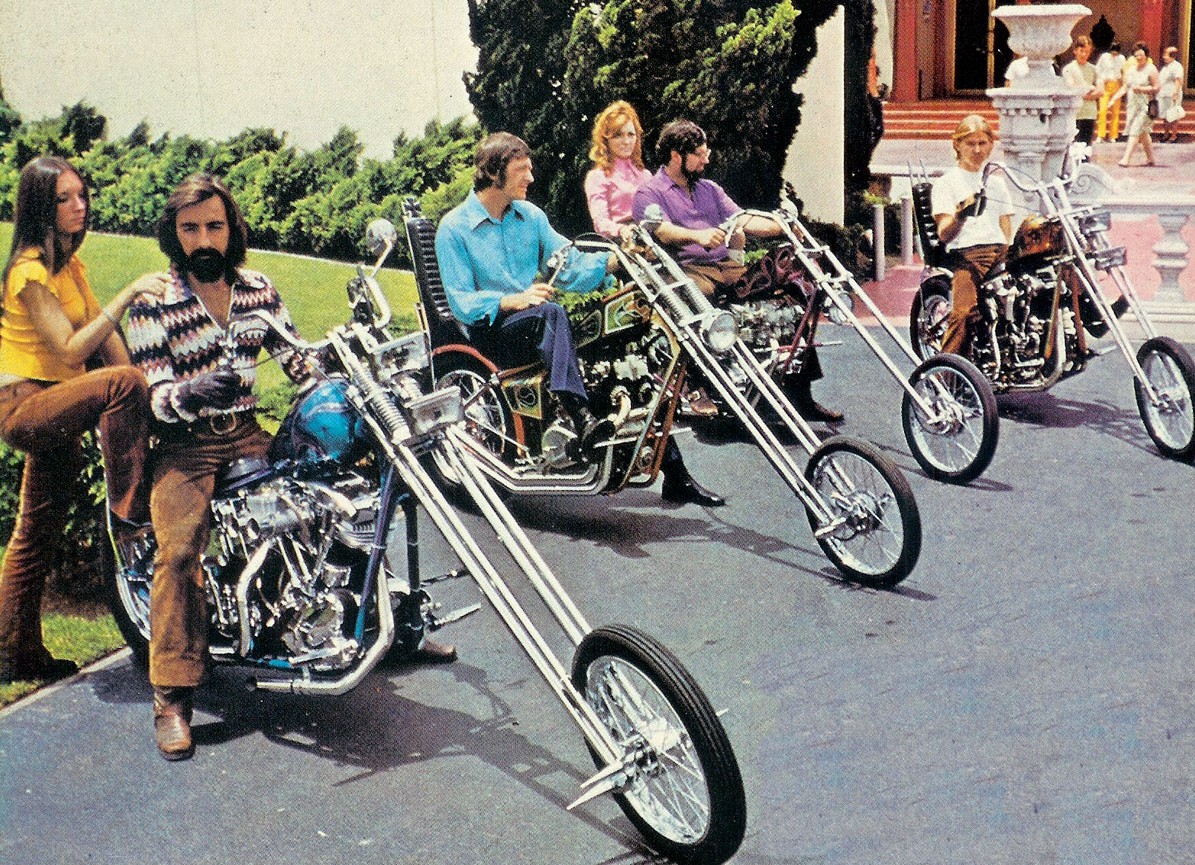
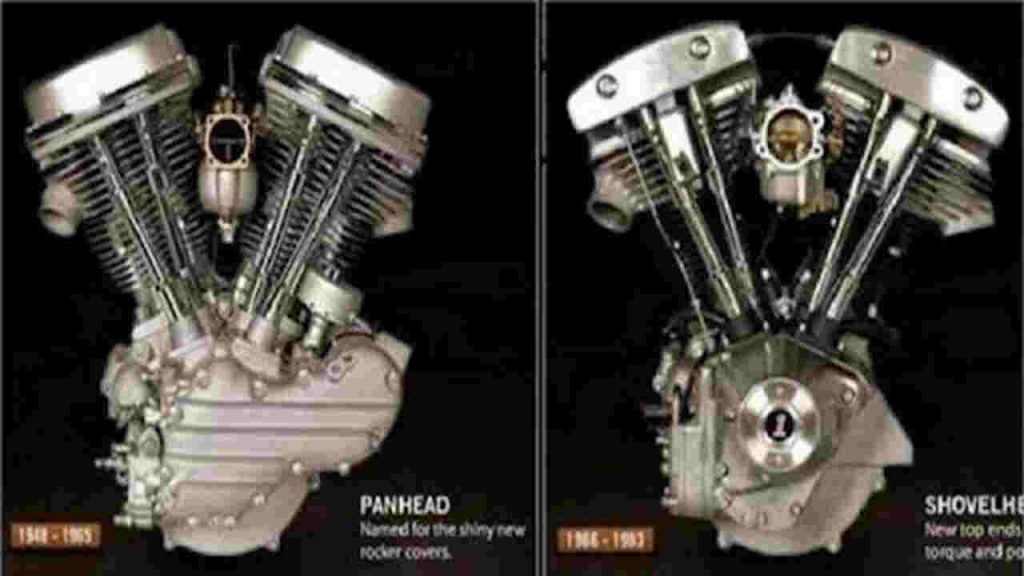
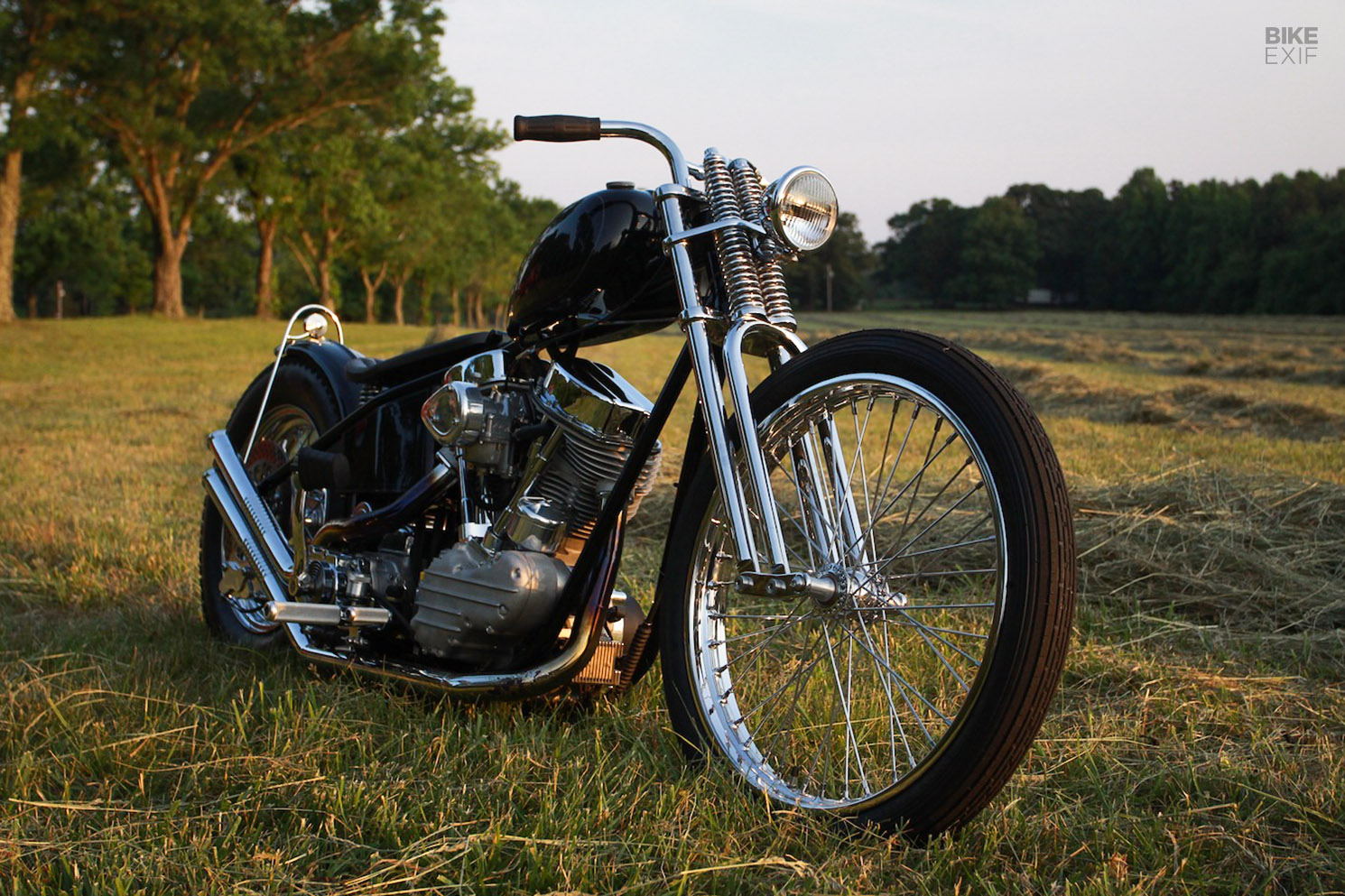
The Panhead, christened for its distinctive valve covers resembling upturned frying pans, emerged in 1948 as Harley-Davidson’s answer to the demand for more power and reliability. Its overhead-valve design, a leap forward from the antiquated Knucklehead, introduced hydraulic lifters to tame the clatter of pushrods—a feature that, while revolutionary, would later become a double-edged sword. For purists, the Panhead is more than an engine; it’s a rolling museum piece, its cast-iron block and exposed pushrods a visual homage to mid-century ingenuity. Yet beneath its aesthetic charm lies a paradox: a design that was cutting-edge in its day but now demands a level of mechanical sympathy that borders on devotion.
Reliability, in the context of a Panhead, is a nuanced concept. On one hand, its simplicity—fewer electronic components, no fuel injection to complicate matters—means fewer things to fail. On the other, the hydraulic lifters, prone to wear and clogging, can turn routine maintenance into a meticulous ritual. Owners often speak of the engine’s character, a euphemism for its idiosyncrasies: the way it growls at idle, the way it demands fresh oil every 500 miles, the way it rewards patience with a symphony of mechanical harmony. But this character comes at a cost—not just in dollars, but in time. A Panhead chopper isn’t a weekend project; it’s a lifelong dialogue between rider and machine.

The Evo: The Modern Workhorse with a Legacy
Introduced in 1984, the Evolution (Evo) engine was Harley-Davidson’s Hail Mary to reclaim market dominance after a decade of tepid performance and reliability woes. With its aluminum block, improved cooling, and a design that prioritized longevity over vintage charm, the Evo quickly became the backbone of Harley’s resurgence. For chopper builders, the Evo represents a blank canvas—less a relic than a foundation. Its smoother operation, reduced vibration, and lower maintenance demands make it an enticing choice for those who want the Harley experience without the constant tinkering. Yet, the Evo’s modernity is a double-edged blade: while it’s more forgiving, it’s also less alive—a trade-off that leaves some enthusiasts pining for the raw, unfiltered soul of the Panhead.
Reliability-wise, the Evo is the clear frontrunner. Its aluminum construction resists corrosion, its improved oiling system reduces wear, and its electronic ignition (in later models) eliminates the need for points adjustments. Owners report tens of thousands of miles with minimal intervention, a stark contrast to the Panhead’s finicky nature. But this reliability comes with a caveat: the Evo’s plastic timing covers and synthetic gaskets, while durable, lack the Panhead’s heft. There’s a tactile disconnect—a sense that the engine, while efficient, is more appliance than art. For those who prioritize function over form, however, the Evo’s practicality is undeniable.
Cost of Ownership: Where the Rubber Meets the Road
When evaluating the Panhead vs. Evo debate, the financial stakes are as high as the emotional ones. The Panhead’s vintage allure comes with a hidden tax: scarcity. Original Panhead parts—especially for early models—are increasingly rare, driving up costs for everything from gaskets to cylinder heads. A single set of hydraulic lifters can cost hundreds, and a full rebuild might require scouring swap meets or specialty machinists. Insurance premiums, too, reflect the Panhead’s status as a collector’s item, often exceeding those of an Evo-equipped chopper. Then there’s the matter of fuel efficiency: the Panhead’s thirst for oil and gasoline is legendary, with some owners reporting as little as 35 miles per gallon—a bitter pill for long-distance riders.
The Evo, by contrast, is a paragon of affordability. Parts are abundant, prices are reasonable, and the engine’s design lends itself to aftermarket modifications without breaking the bank. A basic Evo rebuild might cost a few thousand dollars, while a Panhead overhaul can easily triple that. Even routine maintenance favors the Evo: synthetic oil changes are less frequent, and the absence of hydraulic lifters means fewer adjustments. For the budget-conscious builder, the Evo is a pragmatic choice—but one that may leave the soul unfulfilled.
Customization: The Art of Personalization
Choppers are, at their core, rolling canvases, and the engine is the centerpiece. Here, the Panhead and Evo diverge into two distinct philosophies of customization. The Panhead’s vintage aesthetic—its exposed pushrods, its cast-iron block, its lack of electronic intrusions—invites a raw, unfiltered approach to modification. Builders often embrace the engine’s flaws, accentuating them with polished covers, chrome accents, or even bare-metal finishes that highlight its industrial heritage. The Panhead’s simplicity means fewer restrictions: no ECU to reprogram, no fuel injection to modify. It’s a blank slate for those who want to push the boundaries of traditional chopper design.
The Evo, while more constrained by its modern architecture, offers its own avenues for creativity. Its aluminum block and electronic systems open doors to performance tuning—superchargers, high-flow exhausts, and ECU reflashes are all within reach. Yet, the Evo’s clean lines and lack of character can make it feel like a blank canvas in the most literal sense: a void waiting to be filled. Some builders counter this by embracing the Evo’s utilitarianism, crafting minimalist choppers where the engine’s efficiency is the star. Others push the envelope with radical modifications, turning the Evo into a mechanical beast that defies its origins. The choice, ultimately, hinges on whether you see the engine as a foundation or a constraint.
Resale Value: The Long Game
For those who view their chopper as an investment, resale value is a critical consideration. The Panhead’s status as a classic ensures that well-preserved examples retain—or even appreciate in—value, particularly among collectors. A pristine Panhead chopper can fetch tens of thousands at auction, while a modified example might still command a premium from enthusiasts who appreciate its historical significance. The caveat? The market for Panhead choppers is niche. Buyers are often purists who demand authenticity, meaning heavily modified examples may struggle to find buyers willing to pay top dollar.
The Evo, meanwhile, occupies a more fluid market. While it lacks the Panhead’s collector cachet, its widespread use in custom builds means there’s always demand for well-maintained examples. A lightly modified Evo chopper can sell quickly, especially in regions with strong Harley-Davidson culture. However, the Evo’s ubiquity also means it’s less likely to appreciate in value. For the builder who plans to ride for years to come, this may be a non-issue—but for those eyeing a future sale, the Panhead’s legacy could be the deciding factor.
Final Verdict: Which Engine Deserves Your Devotion?
The choice between a Panhead and an Evo chopper is ultimately a question of priorities. If you crave the tactile feedback of a living, breathing engine—one that demands your attention and rewards your labor with a symphony of mechanical song—the Panhead is your muse. It’s for the builder who sees their chopper as a labor of love, a machine that will outlive them and become a family heirloom. But be prepared to pay the price: not just in dollars, but in time, patience, and a willingness to embrace imperfection.
If, however, you prioritize reliability, affordability, and the freedom to ride without constant maintenance, the Evo is your steadfast companion. It’s the engine for the pragmatist, the builder who wants to spend more time on the open road and less time under the bike. Yet, even the most ardent Evo enthusiast will admit: there’s something missing. A certain soul, perhaps, that only the Panhead can provide.
In the end, the Panhead and Evo represent two sides of the same coin—a coin that, when flipped, lands on the side of your heart’s desire. Choose wisely, for your chopper will reflect not just your mechanical choices, but your very essence as a rider.