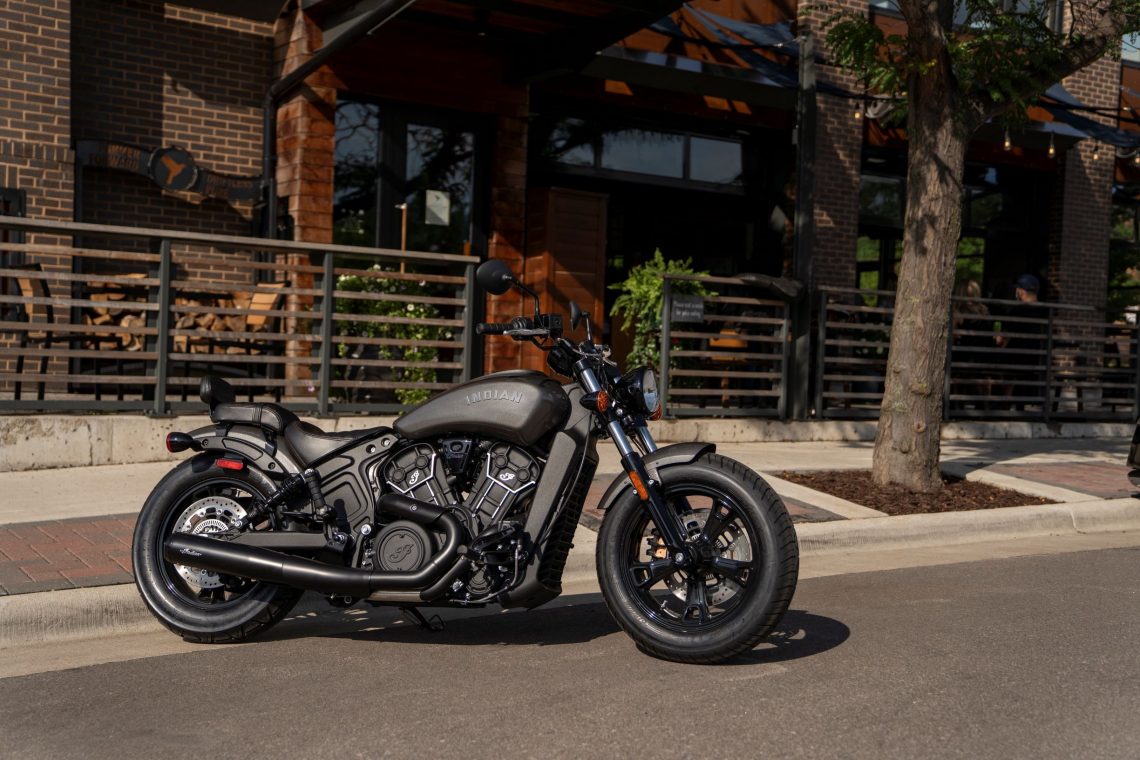
What if the rumble of a chopper’s engine could rewrite the rules of rebellion, not just on the open road but in the very fabric of motorcycle culture? The chopper, once the defiant heartbeat of the 1960s and 70s, is roaring back to life—this time with a twist that’s as much about craftsmanship as it is about attitude. But can this revival transcend nostalgia and carve out a lasting legacy in an era dominated by sleek, high-tech rides? The answer lies in the chrome, the steel, and the sheer audacity of those who dare to ride differently.
The Allure of the Unconventional: Why Choppers Captivate the Imagination
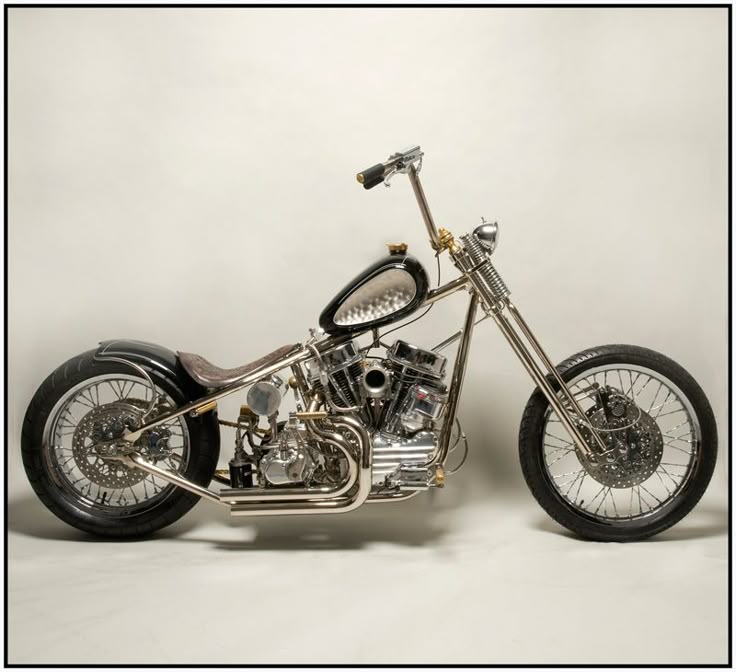
At their core, choppers are more than motorcycles; they are rolling manifestos of individuality. Unlike their mass-produced cousins, choppers are born from a philosophy of “less is more”—or perhaps, “less is *everything*.” The elongated forks, the stripped-down frames, the exposed engines—every element is a deliberate choice to reject conformity. This isn’t just transportation; it’s a statement. In a world where algorithms dictate trends, the chopper’s raw, unfiltered design feels like a rebellion against the sterile homogeneity of modern life. It’s the two-wheeled equivalent of a handwritten letter in an inbox of spam.
Consider the way a chopper’s silhouette cuts through the urban sprawl. There’s a primal elegance to its proportions, a balance between aggression and artistry. The stretched-out front end isn’t just for show; it’s a nod to the physics of stability, a dance between control and chaos. And then there’s the sound—deep, throaty, and unapologetic—a growl that vibrates through the rider’s bones and rattles the windows of passersby. This isn’t the hum of a distant future; it’s the roar of a past that refuses to stay buried.
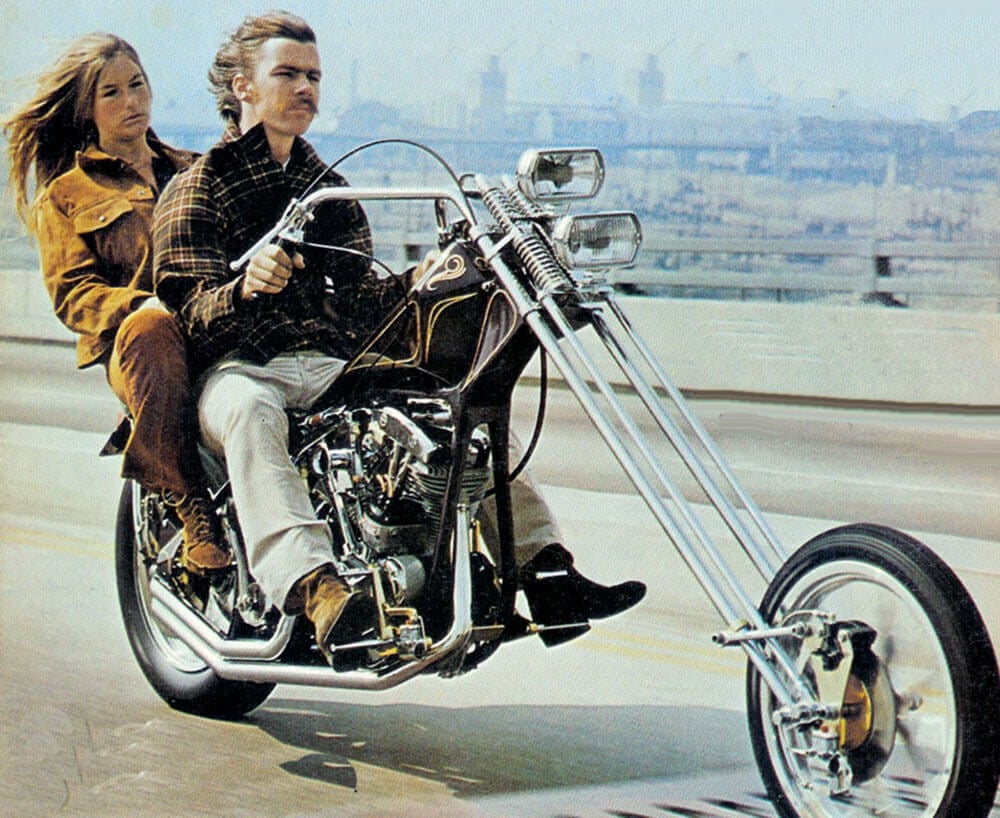
The Craftsmanship Renaissance: How Artisans Are Resurrecting the Chopper
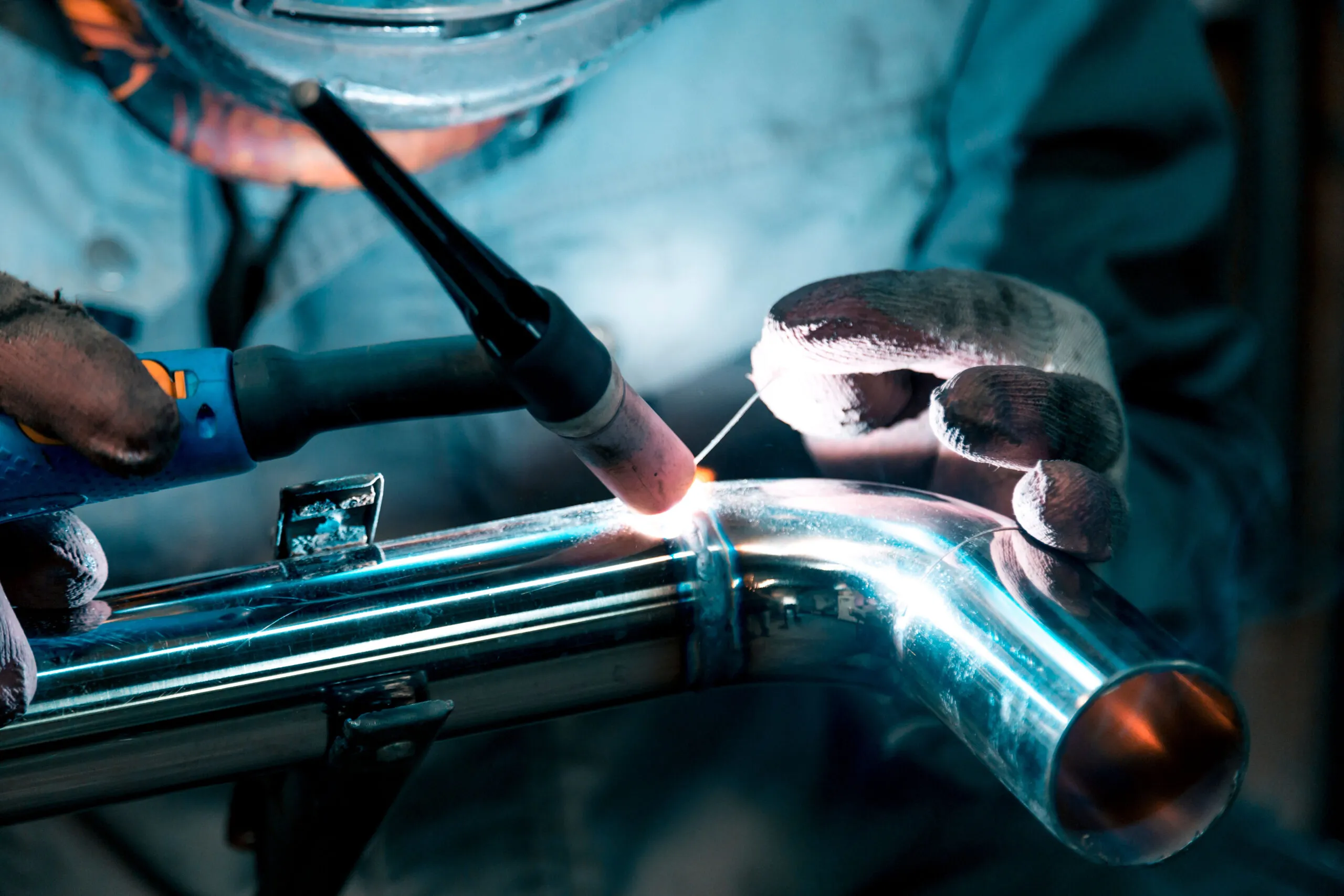
The resurgence of choppers isn’t just a cultural throwback—it’s a renaissance of craftsmanship. In an age where disposable everything is the norm, the chopper’s revival is a defiant celebration of the handmade. Modern builders are blending vintage aesthetics with cutting-edge techniques, using CNC machining to perfect hand-forged details or 3D printing to prototype radical new designs. The result? Choppers that honor tradition while pushing boundaries.
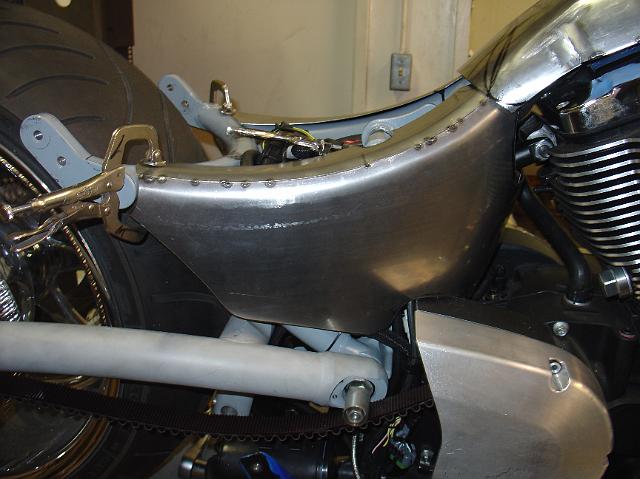
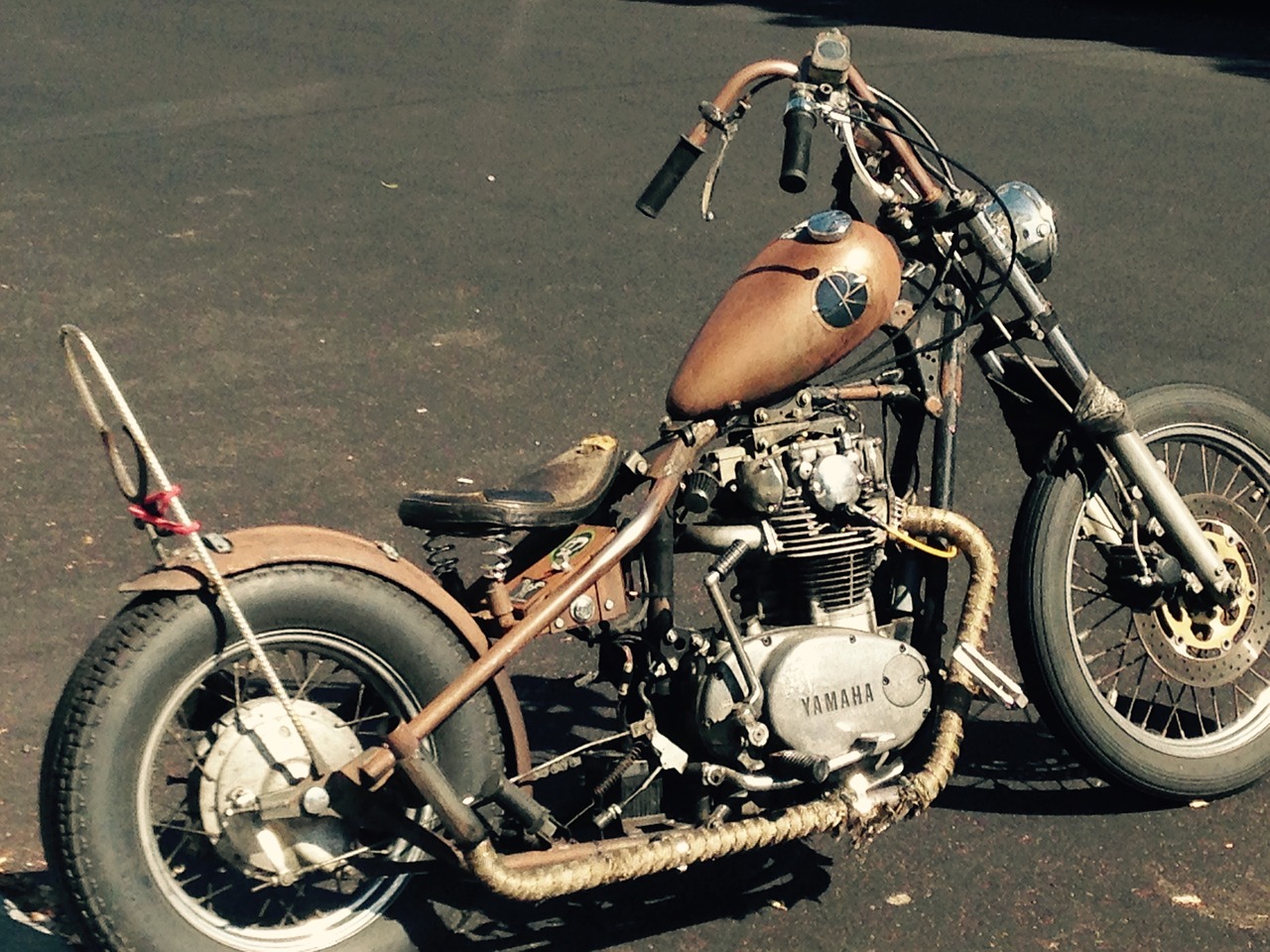
Take, for example, the rise of “bobber-chopper hybrids,” where the minimalist ethos of bobbers meets the elongated flair of classic choppers. These bikes strip away the excess, leaving only the essentials: a raw engine, a solo saddle, and a frame that’s been meticulously sculpted to perfection. It’s a return to the roots of motorcycle building, where every weld, every curve, tells a story. And in a world of mass production, that kind of authenticity is a rare commodity.
But craftsmanship isn’t just about the build—it’s about the builder. The modern chopper scene is teeming with artisans who treat their workshops like cathedrals. They’re not just assembling parts; they’re curating experiences. A chopper isn’t just a ride; it’s a collaboration between rider and builder, a shared vision of what freedom on two wheels should look like. This level of dedication is infectious, drawing in a new generation of enthusiasts who crave something real in a world of simulations.
The Cultural Shift: From Outlaw to Mainstream—Can Choppers Break the Mold?
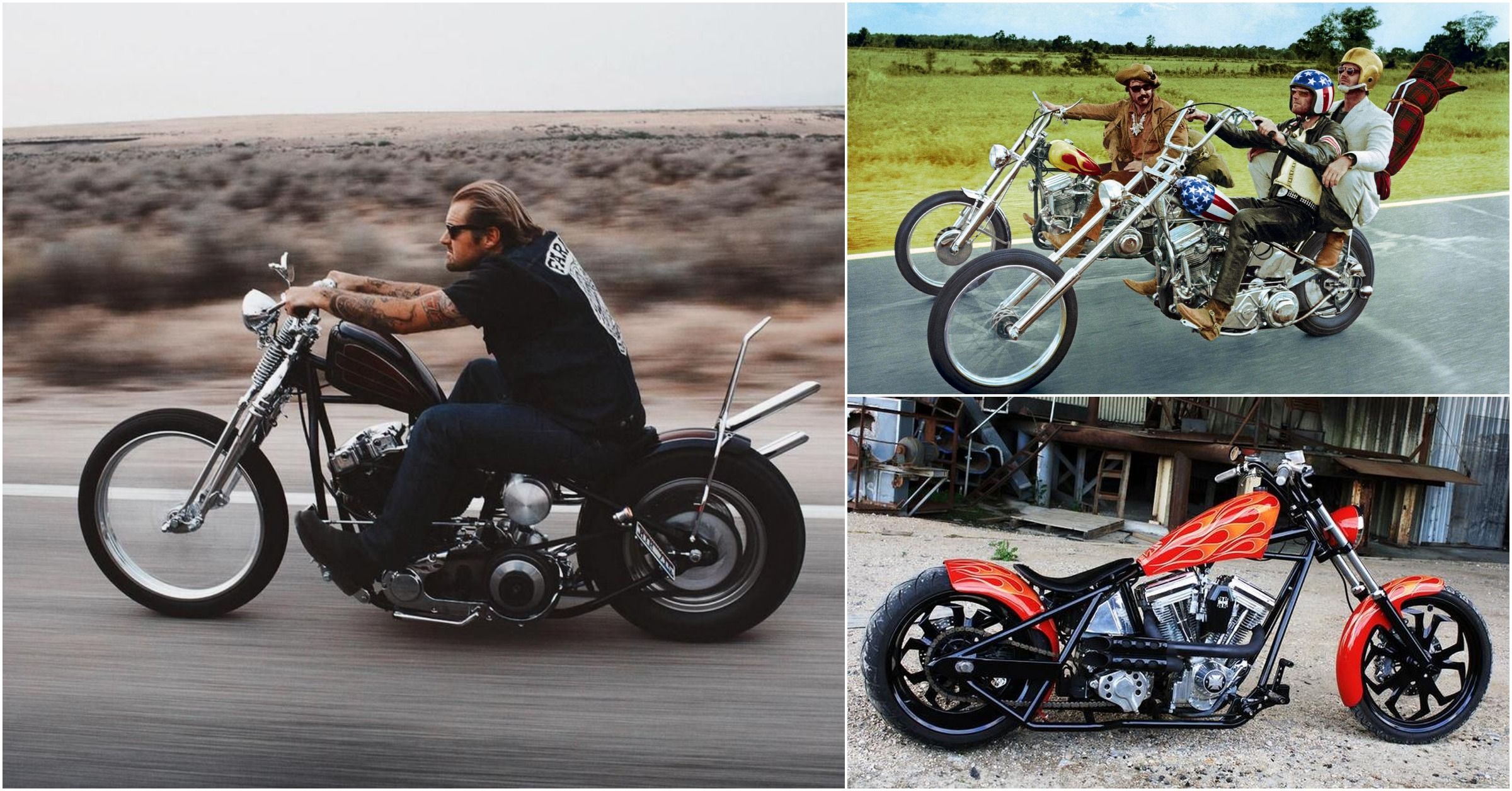
Yet, for all their charm, choppers face a formidable challenge: the delicate balance between subculture and mainstream appeal. For decades, choppers were the unofficial uniform of the outlaw, the renegade, the one-percenter. They thrived in the shadows, celebrated in biker bars and immortalized in films like *Easy Rider*. But as their popularity grows, so does the risk of dilution. Will the chopper become just another trend, co-opted by fashion brands and Instagram influencers? Or can it retain its rebellious soul while finding a place in the broader motorcycle world?
The signs are promising. Choppers are increasingly gracing the pages of high-end motorcycle magazines, not as relics of the past, but as icons of the present. Events like the Rat’s Hole Custom Show and the Chopper Showdown attract crowds of all ages, proving that the allure of the chopper transcends generational divides. Even manufacturers are taking notice, with brands like Harley-Davidson and Indian releasing limited-edition models that nod to chopper aesthetics without fully embracing the genre. It’s a delicate dance—honoring the chopper’s roots while inviting new riders into the fold.
But here’s the rub: the chopper’s very essence is rooted in defiance. If it becomes too mainstream, does it lose its soul? The challenge for the chopper community is to embrace its growing popularity without sacrificing the rebellious spirit that made it legendary in the first place. It’s a tightrope walk between preservation and evolution, and the outcome will shape the future of motorcycle culture for decades to come.
The Rider’s Dilemma: Comfort vs. Rebellion—Can You Have Both?
Of course, no discussion of choppers would be complete without addressing the elephant in the room: comfort—or lack thereof. Let’s be honest: choppers are not built for long-distance cruising. The stretched-out riding position, the lack of wind protection, the minimal suspension—these bikes prioritize style over practicality. For some, that’s part of the appeal. Riding a chopper isn’t about efficiency; it’s about the experience. It’s about feeling the road, not just traversing it. It’s about the wind in your face, the sun on your back, and the unshakable sense that you’re living in the moment.
But for others, the trade-off is too steep. Modern riders, accustomed to the plush seats and advanced ergonomics of sport-touring bikes, may find choppers jarring. The question then becomes: Is the chopper’s revival sustainable if it remains a niche passion, or can it evolve to meet the demands of contemporary riders without losing its soul? Some builders are already experimenting with “comfort choppers,” incorporating ergonomic seats, adjustable handlebars, and even small windshields to bridge the gap. Whether these hybrids will satisfy purists remains to be seen, but the effort speaks to the chopper’s adaptability.
Ultimately, the rider’s dilemma is a microcosm of the chopper’s broader challenge. Can this icon of rebellion adapt to the times without compromising its identity? Or is its very essence tied to the discomfort, the raw exposure, the unfiltered connection to the road? For those who ride, the answer is simple: the discomfort is the point. It’s a reminder that freedom isn’t always comfortable—and that’s exactly why it’s worth pursuing.
The Future of the Chopper: A Ride into the Unknown
The chopper’s comeback is more than a trend; it’s a cultural reset. It’s a rejection of the idea that progress must come at the cost of personality, that innovation must erase tradition. In a world that often feels increasingly digitized and detached, the chopper offers a tangible, visceral connection to the past—and a rebellious vision of the future. It’s a reminder that sometimes, the most radical thing you can do is ride a bike that looks like it was built in a garage by people who didn’t care what anyone thought.
But the road ahead isn’t without its potholes. The chopper’s revival will be defined by its ability to balance authenticity with accessibility, rebellion with responsibility. It will require builders who are as skilled with a welder as they are with a paintbrush, riders who are willing to embrace discomfort, and a culture that refuses to let the flame of individuality burn out. The chopper isn’t just making a comeback—it’s staging a revolution. And this time, it’s not just about the bikes. It’s about reclaiming the spirit of freedom, one ride at a time.
So, are you ready to answer the call? The road is waiting. The engine is idling. And the chopper’s roar is louder than ever.