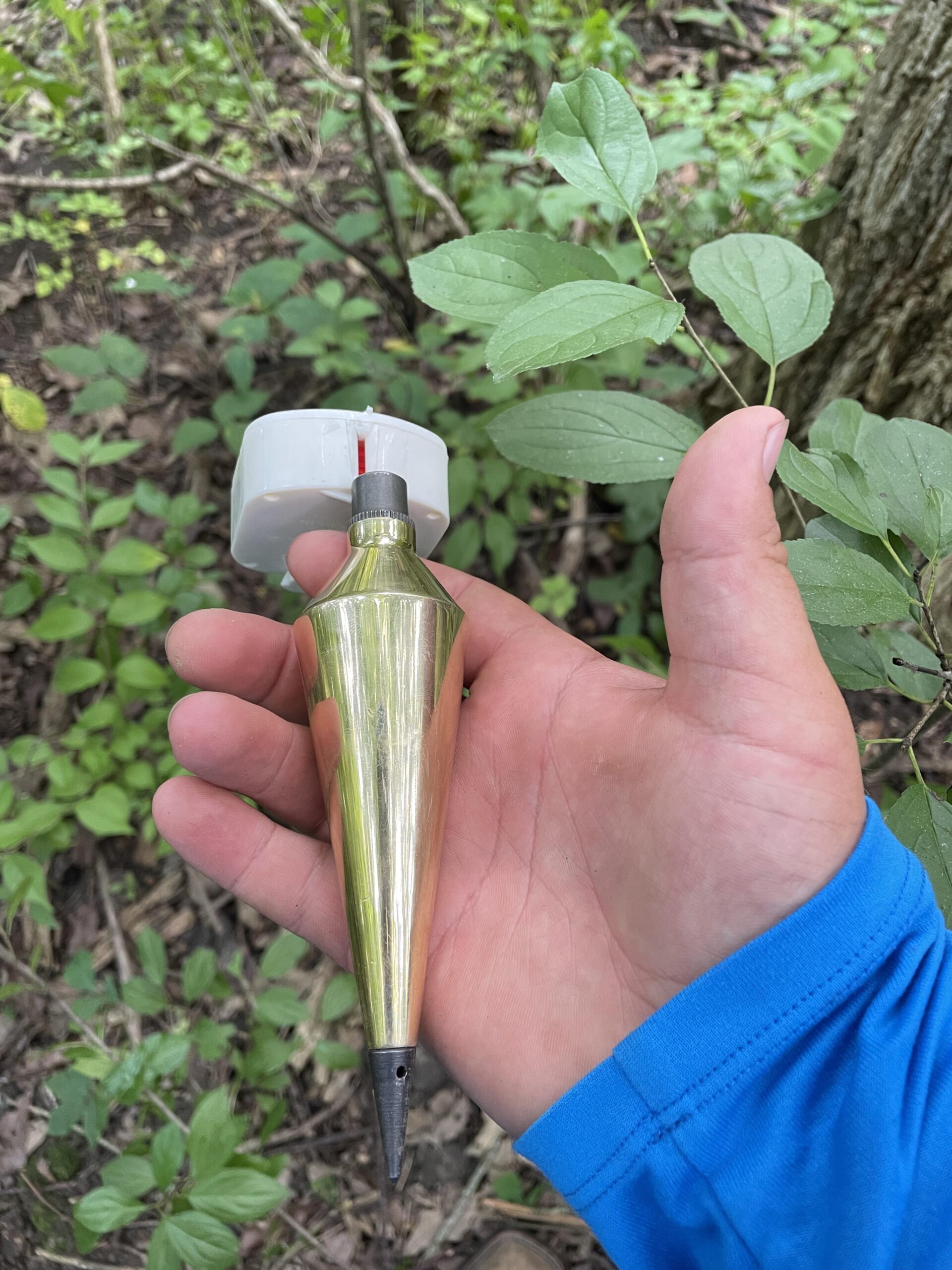
There’s something almost primal about the way a plumb bob hangs in midair, suspended by an invisible thread of gravity’s command. It doesn’t just point downward—it whispers secrets of alignment, of precision, of the unseen forces that govern even the most rugged landscapes. For those who work the land, whether surveyors, builders, or adventurers tracking the faintest traces of passage, the plumb bob is more than a tool. It’s a silent partner in the dance between human intention and the stubborn, unyielding earth. Nowhere is this partnership more critical than when measuring a chopper trail—a winding, often treacherous path carved by wheels, hooves, or boots, where the difference between a straight line and a meandering detour can mean the difference between efficiency and exhaustion.
The Plumb Bob: An Ancient Compass in a Modern World
Before GPS chirped its way into our pockets, before laser levels cast their crimson beams across construction sites, there was the plumb bob. A simple conic weight, often tapered to a fine point, suspended from a string, it has anchored human endeavor for millennia. Its genius lies in its purity: no batteries, no calibration charts, just the immutable pull of gravity. When you hold a plumb bob over a chopper trail, you’re not just checking verticality—you’re tapping into a system older than written language. The bob doesn’t lie. It doesn’t favor one side over another. It responds only to the earth’s relentless downward tug, making it the ultimate arbiter of true vertical. In the context of a chopper trail, this means you can determine not just the slope of a path, but the integrity of its descent—critical for drainage, erosion control, and even the psychological comfort of knowing your route isn’t about to plunge into a hidden ravine.

Why Chopper Trails Twist: The Hidden Geometry of Passage
Chopper trails—those narrow, often ephemeral paths carved by repeated travel—are rarely straight. They meander, dip, and rise in response to terrain, obstacles, and the subconscious choices of those who tread them. But why do they twist? Partly, it’s physics: the path of least resistance. A trail follows the natural contours of the land, avoiding steep climbs or boggy hollows. Yet there’s more to it. Human psychology plays a role. We avoid perceived danger, even when it’s not immediately visible. A slight curve might feel safer than a straight descent into unknown terrain. The plumb bob, however, strips away these psychological layers. It reveals the raw truth of the trail’s angle, exposing whether its twists are born of necessity or habit. When you measure a chopper trail with a plumb bob, you’re not just mapping a route—you’re interrogating the decisions that shaped it.
Setting Up Your Plumb Bob: The Ritual of Alignment
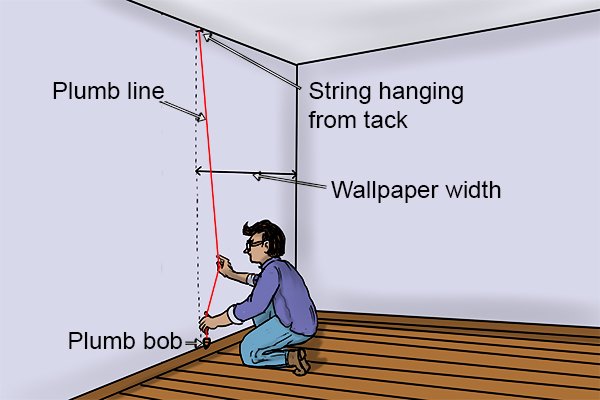
Using a plumb bob isn’t as simple as dangling it and squinting. It’s a ritual of alignment, a dance between tool and terrain. Begin by securing your string to a fixed point—perhaps a sturdy branch, a surveyor’s rod, or even a backpack frame if you’re working solo. The string must be taut, free of kinks, and of known length. A sagging line introduces error; a twisted one distorts the bob’s natural swing. Hold the string steady, allowing the bob to settle. Watch it. Does it hang motionless, or does it oscillate like a pendulum in a cathedral? If it swings, wait for it to still. The bob’s final position is your reference point. Now, align this point with a feature along your chopper trail—a rock, a tree, a freshly broken branch. This becomes your vertical benchmark. Every measurement you take from this point will be true, untainted by the trail’s natural undulations.
Measuring Slope: When the Trail Defies the Horizontal
The real magic happens when you measure the slope of your chopper trail. A plumb bob doesn’t just tell you if something is vertical—it helps you quantify the angle of descent or ascent. To do this, you’ll need a level or a straightedge. Place the level on the trail at your chosen point. Note where the bubble sits. Now, hang your plumb bob from the same point. The distance between the level’s edge and the bob’s string gives you the slope. A small gap? A gentle incline. A wide gap? A steep descent. But here’s the deeper insight: the plumb bob reveals the trail’s relationship to gravity in real time. It doesn’t just measure—it exposes the trail’s hidden character. Is it eroding? Is it collecting water? Is it, perhaps, more treacherous than it appears? The bob’s silent judgment cuts through the illusion of safety, forcing you to confront the trail’s true nature.
Practical Applications: From Trail to Territory
The plumb bob’s utility extends far beyond mere measurement. In land management, it helps identify erosion hotspots along a chopper trail, allowing for targeted interventions like water bars or culverts. For hunters and hikers, it can reveal whether a trail is descending into a hidden valley or climbing toward a ridge—critical information when planning a route or estimating travel time. Even in emergency scenarios, such as search and rescue operations, the plumb bob can help rescuers determine the safest descent path for a stretcher or equipment. The key is to think of the plumb bob not as a standalone tool, but as a lens through which to view the trail’s hidden geometry. It doesn’t just measure—it interprets.
The Psychological Weight of Precision
There’s a quiet thrill in using a plumb bob. It’s not just about accuracy—it’s about the humility of submitting to a force greater than yourself. Gravity doesn’t negotiate. It doesn’t compromise. When you use a plumb bob to measure a chopper trail, you’re engaging in a dialogue with the earth itself. The trail may twist and turn, but the bob’s line remains true. This tension between human intention and natural law is where the real fascination lies. It’s why ancient builders aligned their pyramids with plumb bobs, why medieval masons ensured their cathedrals stood straight, and why modern trailblazers still rely on this simplest of tools. The plumb bob doesn’t just measure—it reminds us that some truths are absolute, and that the most reliable compass is the one that hangs from a string.
Troubleshooting: When the Bob Lies
Of course, no tool is infallible. Wind can set the bob swinging. Uneven terrain can tilt your reference point. A frayed string can introduce error. But these aren’t flaws—they’re lessons. When the bob lies, it’s not the tool that’s at fault; it’s your setup. Adjust your stance. Shield the bob from the breeze. Recheck your string. The plumb bob doesn’t forgive sloppiness, but it rewards diligence. And sometimes, the “error” reveals something unexpected—a hidden slope, a subtle shift in the trail’s angle—that you might have missed otherwise. The bob’s honesty is its greatest strength. It doesn’t flatter. It doesn’t deceive. It simply is.
Beyond the Trail: The Plumb Bob’s Legacy
The plumb bob’s influence stretches far beyond chopper trails. It’s a symbol of the human quest for order in a chaotic world. From the pyramids of Giza to the logging roads of the Pacific Northwest, it has anchored our ambitions, ensuring that our structures, our paths, and our dreams stand true. When you use a plumb bob to measure a chopper trail, you’re participating in a tradition that spans millennia. You’re not just marking a path—you’re aligning yourself with the unyielding forces that shape the land. And in a world where technology often obscures the raw beauty of natural law, that’s a rare and precious thing.