What happens when the clatter of wrenches collides with the thunder of egos? When the scent of motor oil mingles with the aroma of simmering rivalry? Welcome to the world of American Chopper, where family, fire, and fury forge some of the most electrifying moments in reality television history. This isn’t just a show about building bikes—it’s a battleground where brotherly bonds are tested, tempers flare, and the workshop becomes a coliseum of clashing personalities. So, buckle up. We’re about to dive into the best fights compilation that has left fans both breathless and begging for more.
The Genesis of Fire: How It All Started
Picture this: a quaint little shop in New York, humming with the rhythm of power tools and the occasional outburst of frustration. That’s Orange County Choppers, the birthplace of American Chopper. Paul Teutul Sr., the gruff patriarch, and his son Paul Teutul Jr., the fiery innovator, built an empire on two wheels—but not without sparking some of the most legendary feuds ever televised. The show, which premiered in 2003, didn’t just showcase custom motorcycles; it laid bare the raw, unfiltered dynamics of a father-son duo whose chemistry was as combustible as their creations.
The early seasons were a masterclass in tension, where every project felt like a powder keg waiting to explode. Whether it was over design choices, work ethics, or simply clashing visions, the Teutuls turned the workshop into a pressure cooker of emotions. And the cameras? They were rolling, capturing every moment—from icy glares to full-blown shouting matches. It was raw, it was real, and it was utterly addictive.
When Wrenches Fly: The Most Explosive Fights
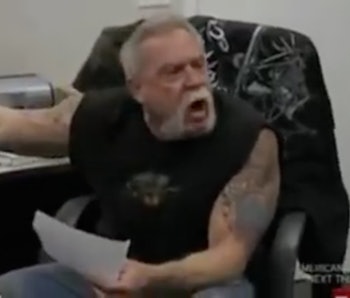
Let’s rewind to some of the most iconic clashes that have left fans rewinding their DVRs for years. First up: The Great Office Chair Incident. Picture Paul Jr. mid-rant, gesturing wildly as his father dismisses his ideas with a wave of his hand. In a moment of sheer frustration, Jr. hurls an office chair across the room—only for it to ricochet off a wall and land precariously on a shelf. The room falls silent. Sr. stares. Jr. freezes. And just like that, the workshop’s most infamous projectile was born.
Then there’s The Paint Booth Showdown, where emotions reached a boiling point over a custom bike’s color scheme. Jr. insisted on a bold, unconventional design, while Sr. demanded something more classic. The debate escalated into a full-blown shouting match, with tools flying and paint cans rattling. In the end, the bike was a compromise—but the memory of that fiery exchange? That was pure gold.
And who could forget The Family Feud Finale? When the Teutuls split into rival factions—Orange County Choppers vs. Paul Jr.’s independent venture—the drama reached its peak. The cameras caught every heated phone call, every passive-aggressive text, and the eventual, inevitable fallout. It was less a fight and more a slow-motion car crash, one that left fans wondering: could this family ever truly reconcile?
The Psychology Behind the Fury: Why We Can’t Look Away
What is it about these fights that hooks us like a well-built chopper on an open highway? At its core, American Chopper taps into something primal: the drama of family dysfunction, magnified by the high stakes of creativity and control. We’re not just watching mechanics at work; we’re witnessing a real-life Shakespearean tragedy, where every insult is a dagger and every slammed tool is a punctuation mark.
Psychologists might call it catharsis—the release of pent-up emotions through dramatic spectacle. For viewers, these fights are a safe space to indulge in schadenfreude, to laugh at the chaos without fear of real-world consequences. But there’s more. The Teutuls’ conflicts mirror universal struggles: the push-and-pull of tradition vs. innovation, the weight of legacy, and the pain of fractured relationships. It’s messy, it’s painful, and it’s utterly relatable.
And let’s not overlook the visual spectacle. The contrast between the sleek, polished bikes and the raw, unfiltered emotions of their creators creates a surreal juxtaposition. One minute, you’re admiring a gleaming chrome masterpiece; the next, you’re cringing as a grown man hurls a stapler across the room. It’s a rollercoaster of aesthetics and absurdity, and we’re all strapped in for the ride.
From Screen to Street: The Legacy of the Fights
The impact of these fights extends far beyond the confines of the TV screen. They’ve seeped into pop culture, spawning memes, parodies, and even academic discussions about reality TV’s role in shaping modern entertainment. The “American Chopper fight” meme, in particular, has become a shorthand for any escalating argument, a digital shorthand for the kind of drama that once required a full-blown shouting match.
But the legacy isn’t just about laughs. For many fans, the Teutuls’ conflicts humanized the world of custom motorcycles. Suddenly, bikes weren’t just inanimate objects; they were symbols of passion, frustration, and perseverance. The fights made the craft feel more accessible, more real. And in an industry often shrouded in mystique, that authenticity was a game-changer.
Even the bikes themselves became characters in the story. The “Fire Bike”, the “Patriot Bike”, the “Papa’s Bike”—each one carried the weight of these battles, their designs a physical manifestation of the Teutuls’ tumultuous relationship. To this day, collectors and enthusiasts seek out these iconic machines, not just for their craftsmanship, but for the drama they represent.
The Ultimate Challenge: Could You Survive a Day in the Workshop?
Now, here’s a question to ponder: Could you handle the pressure? Imagine stepping into the Orange County Choppers workshop on a typical day. The air is thick with tension, the hum of tools a constant reminder of the work ahead. One wrong move—a misplaced wrench, a misunderstood instruction—and suddenly, you’re in the middle of a full-blown screaming match. The Teutuls’ fights weren’t just about ego; they were about the high-stakes environment of creative collaboration, where every decision feels like a make-or-break moment.
For aspiring builders, the show was a masterclass in resilience. It taught them that success isn’t just about skill—it’s about navigating personalities, managing stress, and, above all, keeping your cool when the workshop feels like a warzone. And let’s be real: most of us would crumble under the pressure. But that’s the beauty of American Chopper. It’s not just a show; it’s a crucible where dreams are forged—and egos are shattered.
So, the next time you watch a fight scene unfold, ask yourself: What would you do? Would you stand your ground like Paul Jr., or would you walk away like a wise mediator? And more importantly—would you survive the fallout?
The Future of the Fury: What’s Next for the Teutuls?
As the years have passed, the Teutuls’ relationship has evolved. There have been reconciliations, new ventures, and even a few cameos in pop culture. But one thing remains constant: the specter of their past fights looms large. Fans still clamor for reunions, for new clashes, for the kind of drama that once made American Chopper a cultural phenomenon.
Could there be a revival? A documentary revisiting the old wounds? Or perhaps a spin-off where the next generation of builders faces their own fiery trials? Only time will tell. But one thing’s for sure: the spirit of the Teutuls’ fights will never truly fade. They’re etched into the DNA of the show, a reminder that behind every masterpiece is a story of struggle, passion, and, yes, a little bit of chaos.
So, as we look to the future, let’s raise a wrench to the fights that defined a generation. May they continue to inspire, to entertain, and to remind us that sometimes, the best stories aren’t about harmony—they’re about the fire that forges it.