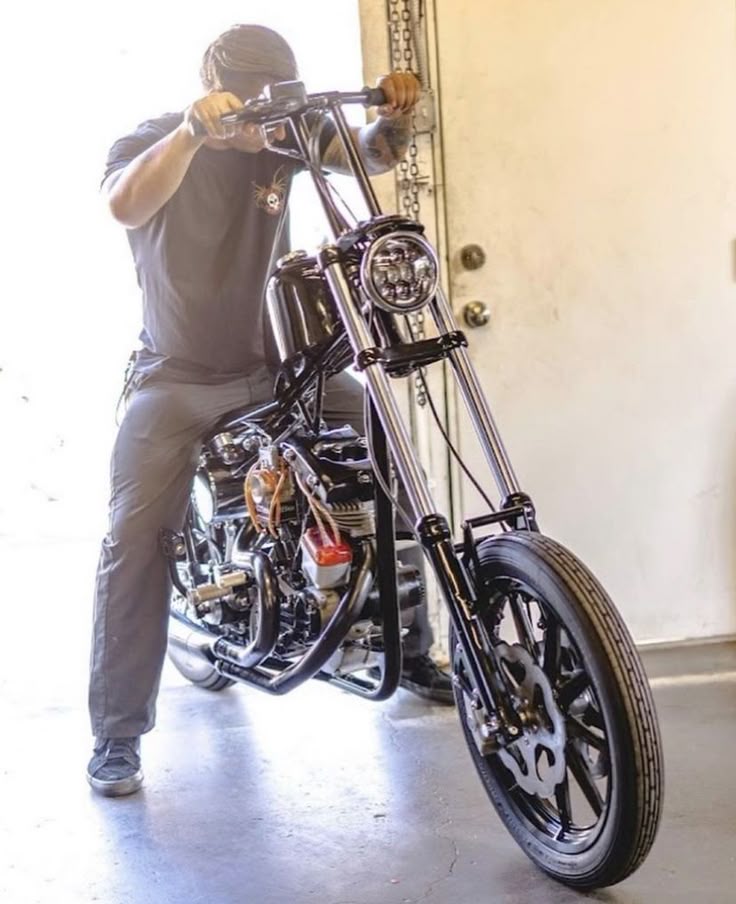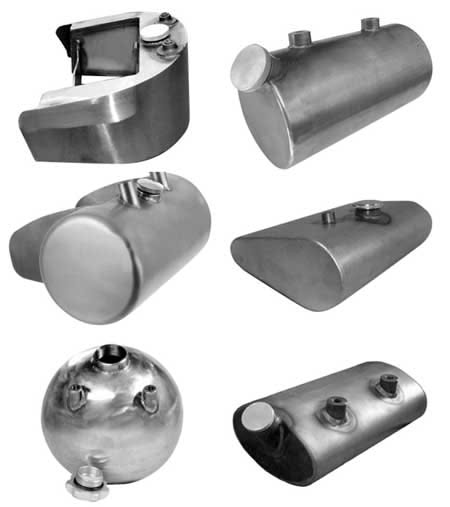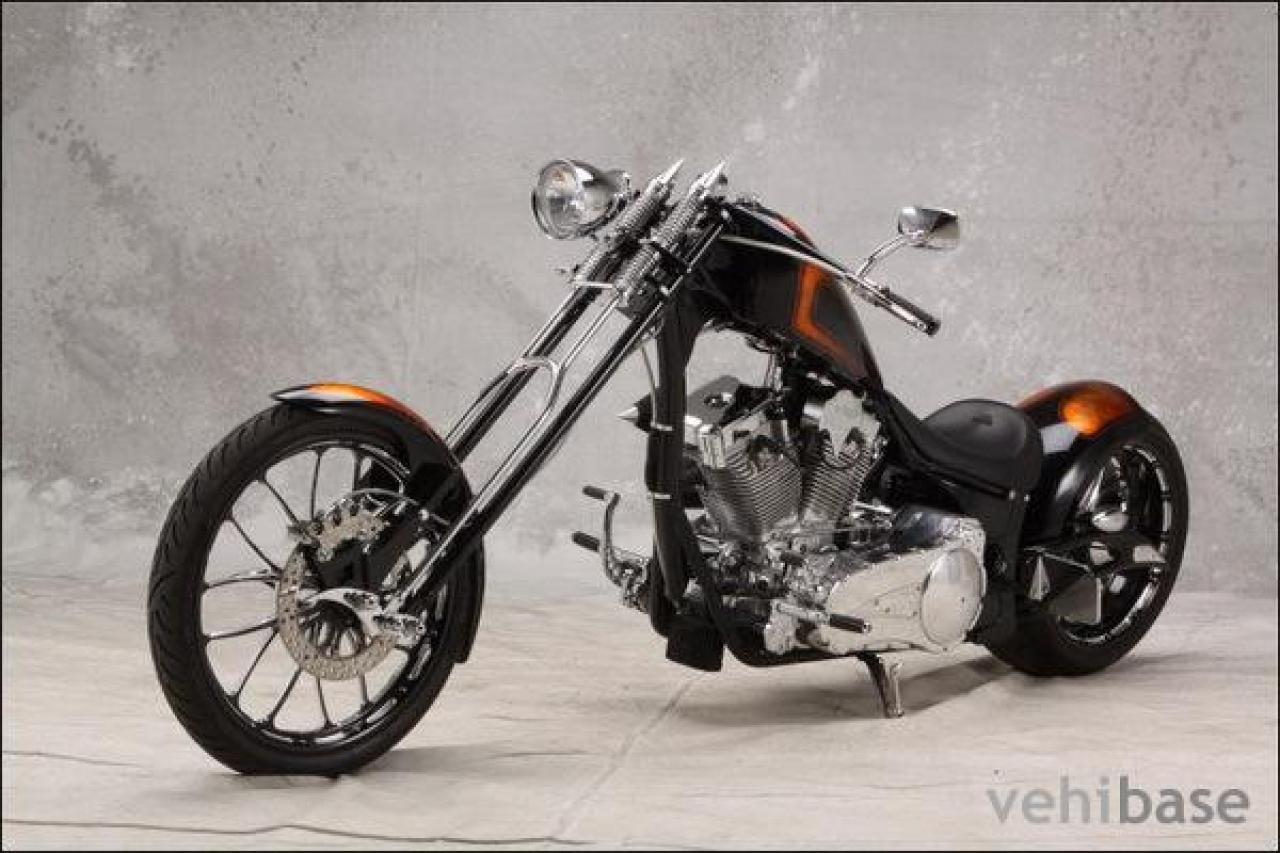
There’s a quiet revolution happening in the world of chopper customization—one that whispers rather than roars, that hides in plain sight rather than demands attention. It’s the art of the hidden dashboard, a design philosophy that transforms the functional into the extraordinary. For those who ride not just machines, but statements, the dashboard is no longer a cluster of dials screaming for attention. Instead, it becomes a seamless extension of the bike’s soul, a whisper of technology tucked away beneath the surface, waiting to reveal itself only when the rider commands. This is where form meets function in the most elegant of unions, where every curve and line serves a purpose beyond mere aesthetics. Welcome to the world of hidden gauges—a realm where less is not just more, but everything.
The Philosophy of Concealment: Why Hidden Dashboards Elevate Chopper Design
At first glance, a chopper’s dashboard might seem like an afterthought—a necessary evil, a utilitarian appendage clinging to the handlebars or tucked behind the fuel tank. But when you strip away the conventional and embrace concealment, something magical happens. The dashboard ceases to be a distraction and becomes a secret, a hidden language spoken only between the rider and their machine. This philosophy isn’t about erasing functionality; it’s about redefining it. By tucking gauges behind panels, beneath seats, or even within the handlebars themselves, designers create a visual harmony that allows the chopper’s true character to shine. The result? A machine that feels less like a collection of parts and more like a living, breathing entity—one that trusts its rider to know what’s happening without needing a constant visual reminder.
The beauty of hidden dashboards lies in their subtlety. They don’t shout; they suggest. They don’t demand attention; they reward curiosity. When executed with precision, they turn the act of riding into a more immersive experience, where the rider’s focus remains on the road, the wind, and the road ahead—not on a cluttered array of dials. This shift in perspective is what sets choppers with hidden gauges apart. They’re not just vehicles; they’re statements of intent, of a rider’s desire to blend seamlessly with the machine, to become one with it in a way that’s both practical and poetic.
Materials and Craftsmanship: The Art of Seamless Integration
Creating a hidden dashboard isn’t as simple as slapping a panel over a cluster of gauges. It’s a meticulous process that demands a deep understanding of materials, ergonomics, and aesthetics. The choice of materials can make or break the illusion of concealment. For instance, carbon fiber panels with a matte finish can blend seamlessly into the bike’s existing aesthetic, while brushed aluminum or titanium inserts add a touch of industrial elegance. The key is to match the dashboard’s materials to the chopper’s overall theme—whether it’s raw and rugged or sleek and futuristic.
Craftsmanship plays a pivotal role here. Precision machining is essential to ensure that the hidden gauges are accessible without disrupting the bike’s visual flow. Hidden latches, magnetic closures, or even touch-sensitive panels can be employed to reveal the gauges only when needed. The goal is to create a dashboard that feels like a natural extension of the bike, not an add-on. This level of attention to detail transforms a chopper from a mere assembly of parts into a work of art, where every element serves a purpose and every curve tells a story.
Ergonomics Meets Aesthetics: The Rider’s Experience
Hidden dashboards aren’t just about looking good—they’re about feeling good. The ergonomics of accessing hidden gauges must be flawless. Imagine cruising down a scenic highway, the wind in your face, when a quick glance at your handlebars reveals a subtle glow from beneath a panel. With a gentle press or a slight tilt, the gauges emerge, providing the information you need without breaking your focus. This seamless interaction is the hallmark of a well-designed hidden dashboard. It’s not about hiding for the sake of hiding; it’s about creating an experience that’s intuitive and effortless.
The placement of the gauges is critical. They should be positioned where they’re easily visible without requiring the rider to take their hands off the handlebars or their eyes off the road. Some designs integrate gauges into the handlebars themselves, while others use retractable panels or sliding mechanisms. The best solutions are those that feel like an organic part of the riding experience, where the rider’s interaction with the dashboard is as natural as shifting gears or adjusting their grip. This level of integration ensures that the chopper doesn’t just look stunning—it feels like an extension of the rider’s own body.
Technology and Innovation: The Future of Hidden Dashboards
The world of hidden dashboards is evolving rapidly, thanks to advancements in technology and materials. Today, riders can choose from a range of innovative solutions that push the boundaries of what’s possible. For example, some choppers now feature heads-up displays (HUDs) that project critical information onto the windshield or handlebars, eliminating the need for physical gauges altogether. Others incorporate digital displays that can be toggled on and off with a simple gesture or voice command, blending the analog and digital worlds in a way that’s both futuristic and timeless.
Smart materials are also playing a role in this evolution. Imagine a dashboard panel that changes color or texture based on the rider’s preferences or the bike’s performance metrics. Or gauges that are embedded directly into the fuel tank or seat, activated by a touch or a proximity sensor. The possibilities are endless, and as technology continues to advance, so too will the art of hidden dashboards. For chopper enthusiasts, this means more opportunities to personalize their machines and create a riding experience that’s uniquely their own.
Case Studies: Choppers That Redefine Hidden Dashboards
To truly appreciate the art of hidden dashboards, it’s worth examining some real-world examples of choppers that have mastered the craft. Take, for instance, the chopper that hides its speedometer and tachometer within the handlebars, revealing them only when the rider squeezes a hidden trigger. Or the bike that uses a sliding panel beneath the seat to expose a full suite of gauges, all while maintaining a sleek, minimalist aesthetic. These designs aren’t just functional; they’re works of art that challenge our perceptions of what a dashboard can be.
Another standout example is the chopper that integrates its gauges into the frame itself, using a combination of laser-cut panels and LED lighting to create a dashboard that’s both hidden and illuminated. When activated, the gauges glow softly, casting a subtle light that adds to the bike’s ambiance without overwhelming the rider. These case studies serve as inspiration for anyone looking to elevate their chopper’s design, proving that hidden dashboards aren’t just a trend—they’re a movement toward redefining the very essence of customization.
The Psychological Impact: How Hidden Dashboards Change the Riding Experience
There’s a psychological dimension to hidden dashboards that often goes unnoticed. By concealing the gauges, designers create a sense of mystery and anticipation. The rider is no longer bombarded with information; instead, they’re given the freedom to focus on the road and the ride. This shift in perspective can be incredibly liberating, allowing the rider to immerse themselves fully in the experience of cruising on their chopper. It’s a reminder that sometimes, less really is more—and that the best designs are those that enhance the rider’s connection to their machine.
Hidden dashboards also foster a sense of trust between the rider and their bike. When the gauges are tucked away, the rider is forced to rely on their intuition and experience rather than constant visual feedback. This can lead to a deeper understanding of the machine, a stronger bond between rider and chopper. It’s a reminder that riding isn’t just about getting from point A to point B—it’s about the journey, the sensations, and the connection to the road. Hidden dashboards enhance this connection, making every ride a more mindful and enjoyable experience.
Practical Considerations: What to Look for When Customizing
If you’re considering a hidden dashboard for your chopper, there are several practical factors to keep in mind. First and foremost, consider the type of gauges you need. Do you want a full suite of digital displays, or are you happy with a minimalist setup? Next, think about the materials and finishes that will complement your bike’s aesthetic. Carbon fiber, aluminum, and titanium are popular choices, but the options are virtually limitless. Finally, consider the mechanism for revealing the gauges. Will it be a touch-sensitive panel, a sliding mechanism, or something entirely unique? The key is to choose a solution that aligns with your riding style and personal preferences.
It’s also worth consulting with a professional customizer who specializes in hidden dashboards. They can provide valuable insights into the best materials, designs, and technologies for your specific chopper. Remember, this isn’t a one-size-fits-all solution—it’s about creating a dashboard that feels like an extension of your bike and your riding experience. With the right guidance and a bit of creativity, you can transform your chopper into a masterpiece of hidden elegance.
The Future of Chopper Customization: Where Do We Go From Here?
The world of hidden dashboards is only just beginning to scratch the surface of its potential. As technology advances and materials become more sophisticated, the possibilities for customization will continue to expand. Imagine a chopper with gauges that are embedded directly into the frame, activated by a simple voice command or a gesture. Or a dashboard that changes its appearance based on the rider’s mood or the time of day. The future of chopper customization is limited only by our imagination—and the only thing standing in our way is the courage to push the boundaries of what’s possible.
For those who embrace the art of hidden dashboards, the journey is just beginning. This isn’t just about creating a chopper that looks good—it’s about crafting a machine that feels like an extension of the rider’s soul. It’s about redefining the riding experience and challenging the conventions of what a dashboard can be. So, if you’re ready to take your chopper to the next level, it’s time to embrace the hidden revolution. The road ahead is yours to define.