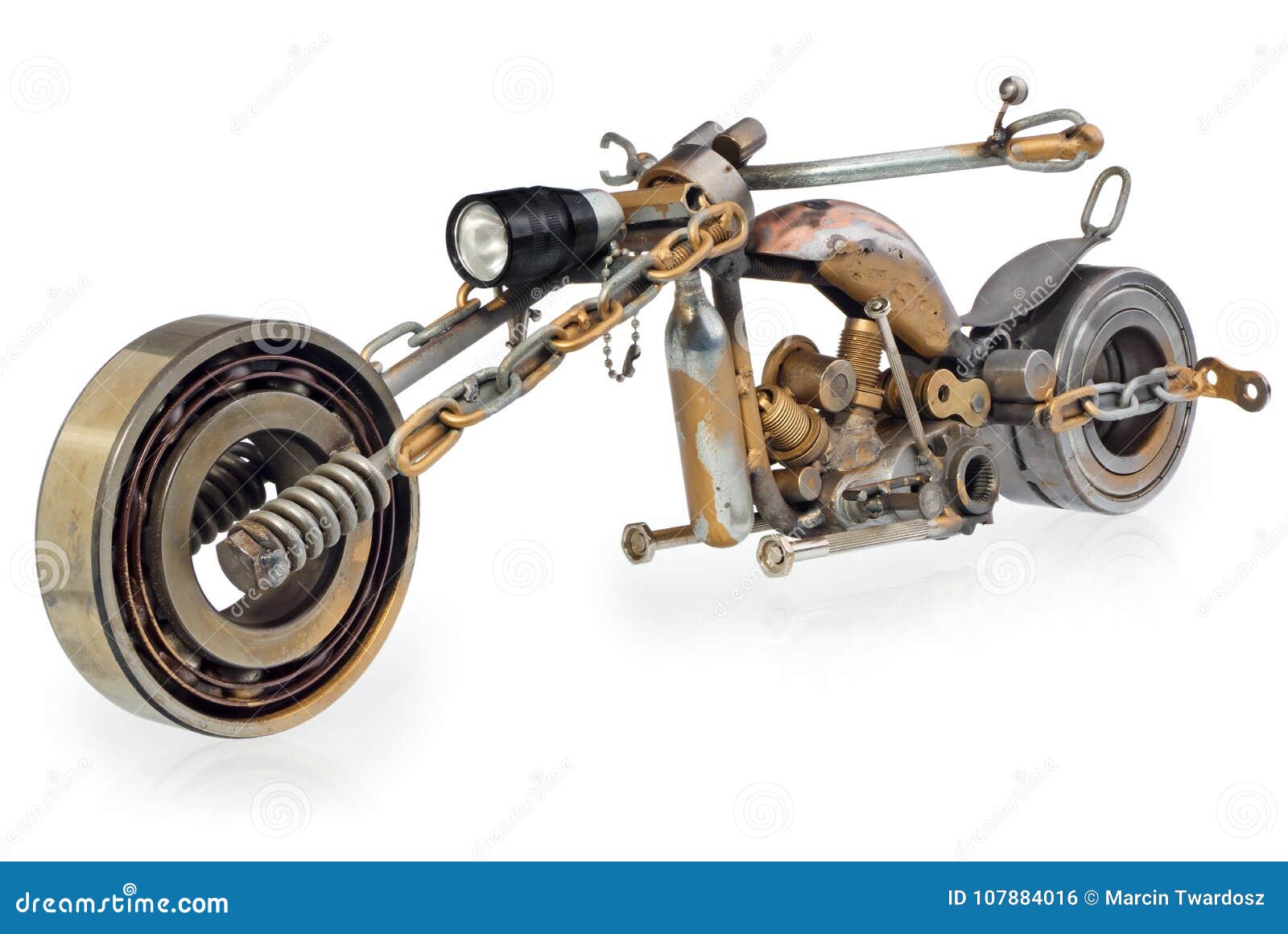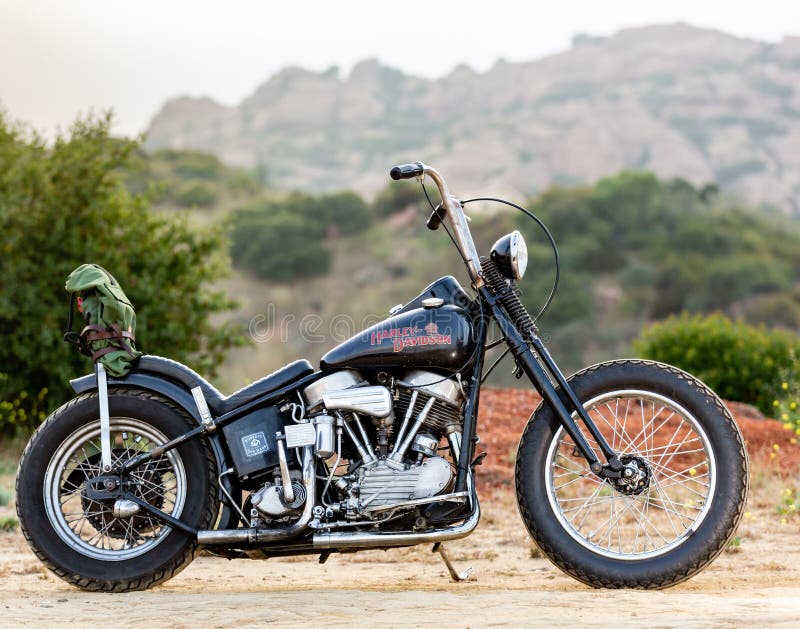
The allure of the rat rod chopper lies not in its polished perfection, but in its raw, unapologetic rebellion against the sterile homogeneity of modern machinery. These machines are not built to impress—they are forged in the crucible of passion, where every scratch, every bolt, and every exposed wire tells a story of rebellion, ingenuity, and unfiltered creativity. The best rat rod chopper aesthetic designs don’t just capture the eye; they hijack the soul, transporting the observer into a world where form follows function with a vengeance, and beauty is measured in character rather than chrome.
The Anatomy of a Rat Rod Chopper: Where Chaos Meets Craftsmanship
A rat rod chopper is a paradox—a machine that appears haphazardly assembled yet is meticulously engineered for a singular purpose: to defy convention. The aesthetic begins with the frame, often a stripped-down, elongated skeleton of a vintage motorcycle, its bones exposed like the ribs of some mechanical beast. Welds are left raw, edges unground, as if the builder paused mid-construction and decided the machine was complete in its unfinished state.
Engines are another focal point. A rat rod’s powerplant isn’t tucked away in a sleek enclosure; it’s a brazen display of brute force, its cylinders gleaming under a patina of oil and grime. The exhaust pipes, often hand-formed from scavenged materials, snake their way through the frame like the veins of a living creature, their growl a symphony of mechanical defiance. Even the wheels—whether they’re spoked, solid, or repurposed from an old tractor—contribute to the aesthetic, their imperfections adding to the machine’s rugged charm.
What makes these designs so captivating is their refusal to conform. In a world where everything is streamlined for efficiency, a rat rod chopper stands as a testament to the beauty of imperfection. It’s a middle finger to mass production, a celebration of the handmade, and a reminder that true artistry often thrives in the margins.
The Psychology of the Rat Rod: Why We’re Drawn to the Unrefined
There’s a primal allure to the rat rod chopper that transcends mere aesthetics. It speaks to a deeper human fascination with the raw, the unpolished, and the unfiltered. In an era dominated by digital perfection and algorithmic curation, the rat rod represents a rebellion against the sterile, the predictable, and the disposable. It’s a machine that wears its history on its sleeve, its flaws etched into every curve and crevice.
Psychologists might argue that our attraction to these designs stems from a subconscious desire for authenticity in a world that often feels artificial. The rat rod’s imperfections are not flaws—they are badges of honor, proof that the machine has lived, has struggled, and has endured. There’s a narrative woven into its very structure, a story of grit and determination that resonates with anyone who has ever felt stifled by the constraints of conformity.
Moreover, the rat rod chopper taps into a nostalgic longing for a bygone era when craftsmanship was measured in sweat and ingenuity rather than pixels and CAD software. It harks back to a time when mechanics were artists, and machines were extensions of their creators’ personalities. In a world where everything is mass-produced, the rat rod is a relic of a time when individuality was not just encouraged—it was essential.
Color Palettes and Finishes: The Art of Controlled Decay
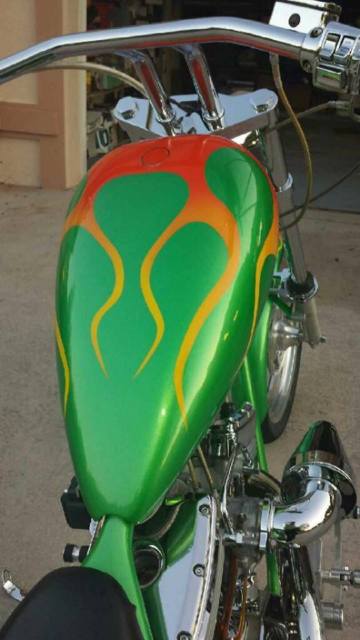
The color scheme of a rat rod chopper is never an afterthought—it’s a deliberate choice that enhances the machine’s rugged aesthetic. The most striking designs often employ a palette of muted, earthy tones: oxidized greens, rusted reds, and faded blues that evoke the patina of time. These colors don’t just complement the machine; they become part of its identity, telling a story of years spent on the road, exposed to the elements, and weathered by the elements.
Finishes are equally important. A rat rod chopper might feature a mix of bare metal, powder-coated surfaces, and hand-painted details, each element contributing to the overall visual chaos. Some builders opt for a “rat look,” deliberately allowing rust to bloom across the frame, while others use techniques like heat bluing or chemical patination to create a controlled decay. The goal is never to hide the machine’s age but to celebrate it, to make it a living, breathing part of the machine’s character.
Even the smallest details—like the choice of fasteners, the texture of the seat, or the patina of the handlebars—play a role in the aesthetic. These elements might seem minor, but they’re the threads that weave the machine’s story together. A well-placed bolt, a strategically placed scratch, or a carefully chosen decal can elevate a rat rod from a mere machine to a work of art.
Customization and Personalization: The Soul of the Machine
No two rat rod choppers are alike, and that’s the point. These machines are deeply personal, each one a reflection of its builder’s tastes, experiences, and obsessions. Some builders lean into the minimalist aesthetic, stripping their choppers down to the bare essentials, while others go full maximalist, adorning their machines with everything from vintage signage to hand-forged embellishments.
The customization process is where the magic happens. Builders scour junkyards, flea markets, and scrap heaps for parts that speak to them, often repurposing items in ways that defy logic. A vintage gas tank might become a seat, a set of old wrenches could be welded into a handlebar, and a discarded license plate might find new life as a decorative element. The result is a machine that is as unique as its creator, a one-of-a-kind masterpiece that could never be replicated.
This level of personalization is what sets rat rod choppers apart from other custom motorcycles. It’s not just about making a machine look cool—it’s about infusing it with meaning. Every bolt, every weld, every scratch is a testament to the builder’s vision, a physical manifestation of their creativity and passion. In a world where everything is designed to be replaced, the rat rod chopper stands as a defiant celebration of the handmade and the irreplaceable.
The Cultural Impact: Rat Rods as Rolling Manifestos
The rat rod chopper aesthetic has transcended its roots in motorcycle culture to become a broader cultural phenomenon. These machines have inspired art, fashion, and even architecture, their rugged charm resonating with anyone who craves a break from the polished and the perfect. In a society that often prioritizes convenience over craftsmanship, the rat rod serves as a reminder that beauty can be found in the imperfect, the unfinished, and the unrefined.
Artists and designers have drawn inspiration from the rat rod’s aesthetic, incorporating its raw, industrial vibe into everything from clothing lines to interior decor. The “steampunk” movement, with its love of gears, brass, and exposed mechanics, owes much to the rat rod’s influence. Even in the world of high fashion, designers have embraced the rat rod’s ethos, creating collections that celebrate the beauty of decay and the allure of the handmade.
But perhaps the most significant cultural impact of the rat rod chopper is its role as a symbol of resistance. In a world that often feels dominated by corporate interests and mass production, the rat rod is a middle finger to the status quo. It’s a declaration that individuality matters, that craftsmanship is worth the effort, and that true beauty can be found in the most unexpected places. It’s a rolling manifesto, a machine that refuses to be ignored, and a testament to the power of passion over convention.
Building Your Own Rat Rod Chopper: Where to Begin
If the rat rod aesthetic has captured your imagination, you might be wondering where to start. The good news is that building a rat rod chopper is as much about creativity as it is about skill. You don’t need a fully equipped workshop or a bottomless budget—just a willingness to experiment, a keen eye for detail, and a love for the unconventional.
The first step is to find a base. This could be an old motorcycle frame, a set of vintage parts, or even a collection of scrap metal that you’re willing to transform. The key is to choose components that speak to you, that have a story to tell. Once you have your base, the real fun begins: the customization process. This is where you get to let your imagination run wild, welding, bending, and repurposing parts until your vision starts to take shape.
Don’t be afraid to embrace the imperfect. The beauty of a rat rod chopper lies in its flaws, in the way it wears its history with pride. Whether you’re a seasoned welder or a complete novice, the most important thing is to enjoy the process. After all, the goal isn’t to create a perfect machine—it’s to create a machine that’s uniquely yours, a rolling testament to your creativity and passion.
And remember: the best rat rod choppers aren’t built in a day. They evolve over time, each scratch, each dent, each layer of patina adding to their story. So take your time, enjoy the journey, and let your chopper become a reflection of who you are.