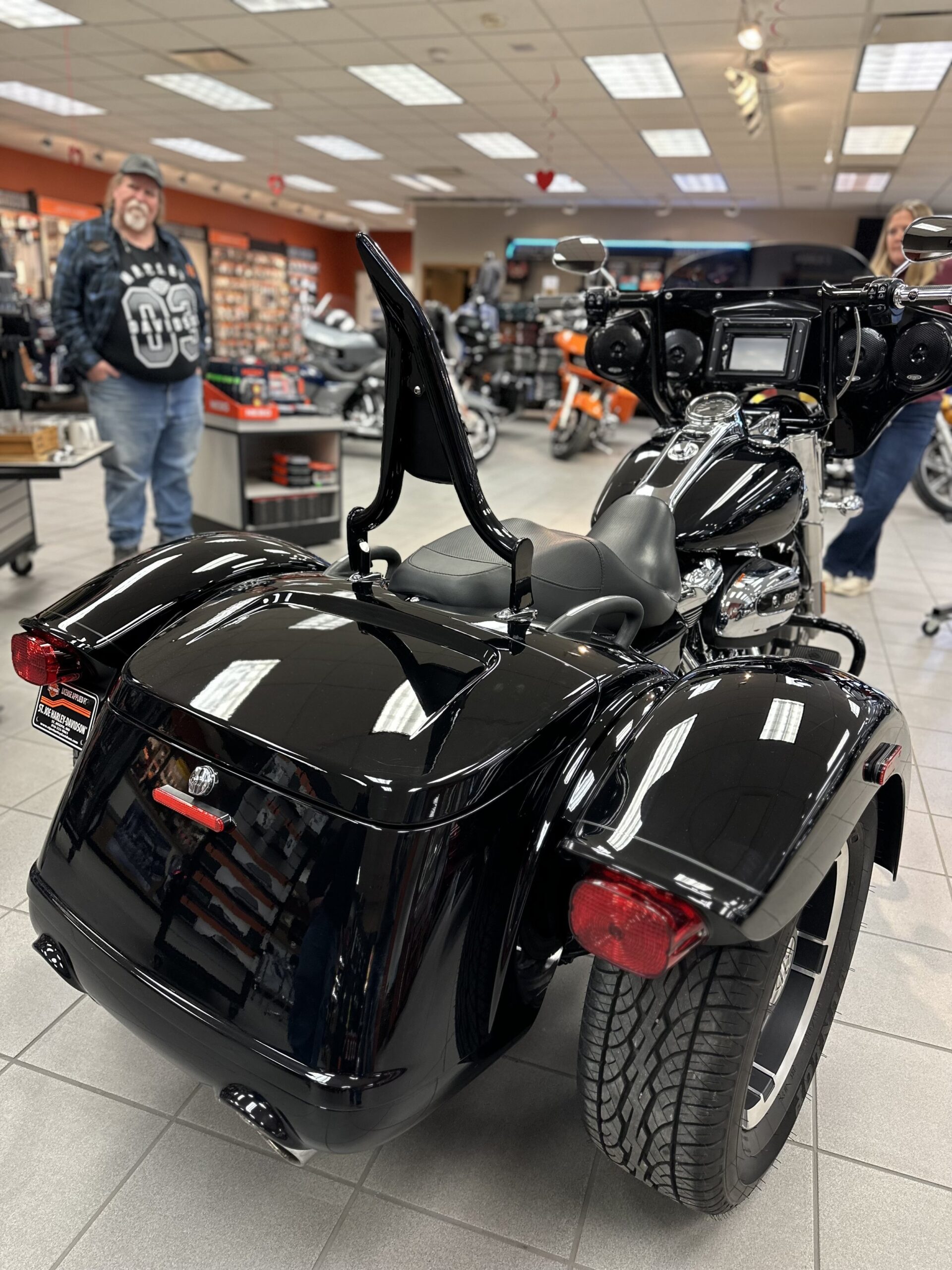
There’s something primal about a chopper’s rear end—its raw, unapologetic stance, the way it commands the road with a growl rather than a whisper. But beneath that rebellious exterior lies a meticulous marriage of engineering and artistry, especially when it comes to fitting a wide tire kit. It’s not just about bolting on bigger rubber; it’s about redefining the machine’s soul, transforming it from a mere motorcycle into a rolling statement. The process is equal parts technical precision and creative audacity, where every millimeter of clearance and every degree of rake tells a story. And for those who’ve ever watched a chopper’s rear wheel flex under acceleration, you know the fascination isn’t just in the power—it’s in the harmony of form and function.
The Allure of the Wide Tire: Why Bigger Isn’t Just Bigger
A wide tire isn’t just a cosmetic upgrade; it’s a paradigm shift in how a chopper behaves. The broader footprint translates to enhanced traction, especially during hard acceleration or when navigating uneven pavement. But the real magic lies in the visual impact—a wider tire stretches the rear end, creating a more aggressive silhouette that turns heads before the engine even fires. It’s the difference between a whisper and a roar, between a machine that blends in and one that demands attention. Yet, this transformation isn’t without its challenges. The wider the tire, the more critical the alignment becomes. A misaligned rear end can turn that aggressive stance into a liability, causing uneven wear or even compromising handling. Precision here isn’t optional; it’s the foundation of the entire build.

Choosing the Right Kit: The Anatomy of Compatibility
Not all wide tire kits are created equal, and the wrong choice can turn your dream build into a nightmare. The first consideration is the frame itself. A rigid frame, for instance, offers a blank canvas for wide tire integration, but it demands absolute rigidity—any flex will compromise the ride. Suspension frames, on the other hand, require careful selection of components to ensure the wider tire doesn’t interfere with the swingarm’s travel. Then there’s the tire width itself. A 300mm tire isn’t just a wider version of a 240mm; it’s a completely different beast. The wider the tire, the more you’ll need to adjust your chain line, sprocket sizing, and even the rear brake setup. It’s a domino effect where one change necessitates another, and cutting corners here can lead to costly mistakes. The key is to view the kit not as a standalone purchase but as part of a symphony where every component must harmonize.
Preparation: The Unsung Hero of the Build
Before a single wrench turns, the groundwork must be laid. This means stripping the rear end down to its bare essentials—removing the old tire, inspecting the swingarm for wear, and ensuring the frame’s alignment is spot-on. A misaligned frame is like building a house on a crooked foundation; no amount of effort will compensate for it later. Next, measure twice, cut once—or in this case, measure twice, install once. The wide tire kit will likely include a new chain guide, axle spacers, and possibly a modified swingarm. These aren’t just add-ons; they’re critical to maintaining the bike’s geometry. Skimp on measurements, and you’ll find yourself wrestling with a rear end that’s either too tight or too loose, neither of which is ideal. And don’t forget the brake system. A wider tire often means a larger rotor is needed to maintain stopping power. Ignore this, and you’ll be left with a bike that looks fast but stops like a bicycle.

Installation: Where Precision Meets Passion
The installation process is where theory meets reality, and it’s where the true craftsmanship shines. Begin with the axle spacers. These aren’t just spacers; they’re the unsung heroes that ensure the tire sits centered in the frame, preventing uneven wear and maintaining balance. Next, install the new chain guide. This isn’t just about keeping the chain on the sprocket; it’s about ensuring the chain runs true under load, which is critical for both performance and longevity. The swingarm may need modification, especially if the kit includes a wider axle. This isn’t a task for the faint of heart—it requires a steady hand and a keen eye for detail. Once the swingarm is modified, the new tire can be mounted. But don’t rush to inflate it just yet. The final step is aligning the rear wheel, a process that involves adjusting the chain tension and ensuring the wheel is perfectly centered in the frame. This isn’t just about aesthetics; it’s about safety and performance. A misaligned rear wheel can cause the bike to pull to one side, making it unpredictable and dangerous.
Fine-Tuning: The Art of the Ride
Even the most meticulously installed wide tire kit isn’t perfect right out of the box. Fine-tuning is where the build truly comes to life. Start with the suspension. A wider tire changes the bike’s weight distribution, which can affect how the suspension behaves. You may need to adjust the preload or damping to compensate. Next, check the chain tension. A wider tire can put additional strain on the chain, so it’s essential to ensure it’s neither too loose nor too tight. Finally, take the bike for a test ride. Pay attention to how it handles, especially during hard acceleration and braking. Listen for any unusual noises, and watch for any signs of misalignment. Fine-tuning isn’t a one-time task; it’s an ongoing process that evolves as you ride. The goal isn’t just to make the bike handle well—it’s to make it feel like an extension of yourself.
The Deeper Fascination: Why We’re Drawn to the Wide Tire
There’s a reason why wide tire kits captivate builders and onlookers alike. It’s not just about the visual impact or the performance gains—it’s about the statement they make. A chopper with a wide tire kit isn’t just a machine; it’s a rebellion against convention, a celebration of individuality. It’s the roar of an engine that refuses to be ignored, the flex of a tire that defies expectations. But beneath the surface, there’s something more profound. The wide tire kit is a testament to the builder’s skill, a fusion of art and engineering that transforms raw materials into something extraordinary. It’s a reminder that the road isn’t just a path—it’s a canvas, and every ride is a masterpiece in the making.