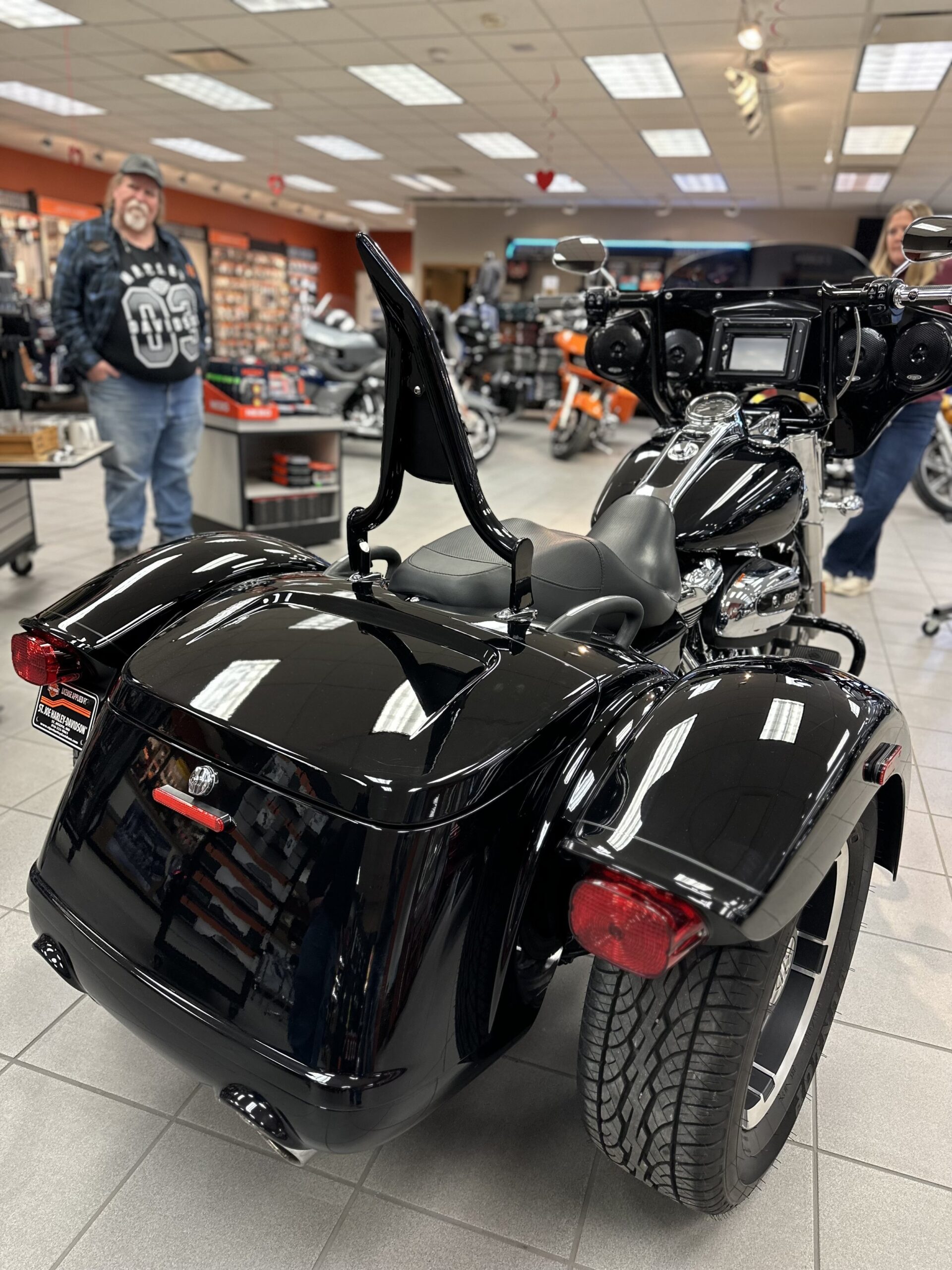
There’s something undeniably magnetic about a chopper bike—its elongated frame stretching like a predator’s claws, the low-slung seat whispering of rebellion, and the gleaming chrome that catches the sun like a dare. But nestled at the rear, often overlooked yet impossible to ignore once you notice it, is the sissy bar. Not just a functional appendage, but a statement. A rebellion against convention. A canvas for personal expression. It’s the chopper’s spine, the final flourish that transforms raw metal into rolling art. Fabricating a custom sissy bar isn’t merely about welding steel; it’s about sculpting identity, balancing form and function, and embracing the raw, unapologetic spirit of the open road.
The Anatomy of a Sissy Bar: More Than Just a Backrest
A sissy bar is more than a vertical or angled tube bolted to the bike’s frame. It’s the chopper’s heartbeat, the silent guardian of the rider’s spine, and the first line of defense against the road’s unpredictable whims. At its core, it’s a structural marvel—typically crafted from chromoly steel or aluminum, bent into graceful arcs or sharp angles, and reinforced to withstand the torque of a roaring engine and the weight of a passenger. But its true magic lies in its duality: it must be unyieldingly sturdy yet aesthetically daring, a paradox that only the most skilled builders can reconcile.
Consider the geometry. A sissy bar’s height, angle, and curvature aren’t arbitrary. A taller bar offers more passenger support but can disrupt the bike’s center of gravity, while a sharply angled bar might look aggressive but could compromise comfort. The best designs strike a balance—curved like a crescent moon, or jagged like the teeth of a predator, each line serving both purpose and poetry. And then there’s the tubing. Thin-walled chromoly, with its high strength-to-weight ratio, allows for intricate scrollwork or minimalist lines, while thicker-walled steel lends itself to bold, industrial statements. The choice isn’t just technical; it’s emotional.
Choosing Your Vision: From Minimalist to Monstrous
Before you even touch a welder, you must decide: what does your sissy bar *say*? The spectrum of possibilities is vast, and the choice reflects not just taste, but temperament. A minimalist might opt for a single, sleek tube arched over the seat, its lines clean and unadorned—a nod to the understated elegance of a café racer. Others crave drama. Picture a sissy bar that erupts from the frame like a spiked fin, its edges sharp enough to draw blood from the sky. Or perhaps something in between: a gently swooping bar adorned with hand-forged scrolls, each curve a testament to patience and precision.
Material selection is equally pivotal. Chromoly, with its silvery sheen and legendary durability, is the darling of purists. It bends like a dream under heat, allowing for fluid, organic shapes, and its resistance to fatigue ensures your bar will outlive generations of riders. Aluminum, lighter and more corrosion-resistant, appeals to those chasing speed or coastal cruising, where weight is a foe and salt is an ever-present threat. And then there’s the wild card: titanium. Expensive, temperamental, but breathtaking—its iridescent hues shift with the light, and its featherlight strength makes it a favorite among builders who treat their bikes like sacred relics.
But vision alone isn’t enough. You must also consider the bike’s soul. A chopper with a stretched frame and ape hanger bars demands a sissy bar that echoes its audacity, while a bobber’s stripped-down aesthetic calls for restraint. The sissy bar should feel like an extension of the rider, a physical manifestation of their ethos. Will it be a whisper of rebellion or a shout into the void? The answer lies in the steel.
Tools of the Trade: Equipping Yourself for Creation
Fabricating a sissy bar is a dance between brute force and delicate finesse. You’ll need an arsenal of tools, each playing a role in the symphony of creation. A quality welder is non-negotiable—whether it’s a MIG for speed and ease, a TIG for surgical precision, or an old-school stick welder for those who prefer the raw, primal crackle of arc welding. Don’t skimp on the helmet; your eyes are your most valuable asset, and a proper auto-darkening lens will spare them the agony of stray sparks.
Bending the tubing requires finesse. A pipe bender is the workhorse here, its mechanical arms coaxing metal into submission with hydraulic pressure or manual leverage. For those without a bender, heat becomes your ally—an acetylene torch can soften steel just enough to coax it into shape, though this demands patience and a steady hand. And then there’s the grinder, the unsung hero of the build. It’s not just for cleaning up welds; it’s a sculptor’s chisel, capable of carving intricate details or shaving metal down to a whisper-thin edge. Don’t forget clamps, vices, and a sturdy workbench—chaos has no place in precision.
Safety isn’t a suggestion; it’s a creed. Gloves, respirators, and fireproof clothing are your armor against the unforgiving nature of metalwork. A well-ventilated workspace is non-negotiable—metal fumes are silent killers, and a single spark can turn a project into a disaster. And always, always have a fire extinguisher within arm’s reach. The road to craftsmanship is paved with caution.

Designing with Intention: The Art of Intentional Imperfection
Here’s where the alchemy happens. Designing a sissy bar isn’t about following a blueprint; it’s about channeling intuition. Start with sketches—rough, scribbled lines that capture the essence of what you envision. Don’t worry about perfection; the best designs often emerge from happy accidents. Measure twice, cut once, but also trust your gut. If a curve feels right, it probably is.
Consider the ergonomics. A sissy bar’s primary function is to cradle a passenger, but it must also harmonize with the rider’s posture. Too tall, and it becomes a hindrance; too short, and it loses its purpose. The angle matters too—a slight backward lean can distribute weight more evenly, while a forward tilt might suit a more aggressive riding style. And don’t forget the mounting points. The bar’s attachment to the frame must be bombproof, often reinforced with gussets or triangulated braces to prevent flex under load.
This is where the deeper fascination with sissy bars reveals itself. They’re not just functional; they’re a dialogue between rider and machine. A poorly designed bar feels like a betrayal, a clunky afterthought. But a well-crafted one? It’s a conversation. It speaks of the miles ridden, the hands that shaped it, the nights spent dreaming over a sketchbook. It’s a piece of the rider’s soul, bolted to the bike for the world to see.
Welding the Soul: Bringing the Design to Life
With the design locked in and the tubing bent to your will, it’s time to weld. This is where theory meets reality, where the abstract becomes tangible. Tack welding first—small, strategic dots of molten metal to hold the pieces in place. Step back, inspect, adjust. Perfection isn’t born in a single pass; it’s the result of patience and repetition. Each weld is a promise, a bond between metal and creator.
For those using chromoly, pre-heating the metal can reduce the risk of cracking, while TIG welding offers the cleanest finish, ideal for intricate designs. But don’t shy away from the raw beauty of stick welding—its rough, organic texture can add character, a visual reminder of the human hand behind the machine. As you work, listen to the metal. A well-executed weld sings; a poor one screams. Trust your ears as much as your eyes.
Once the main structure is complete, it’s time for refinement. Grind down the welds until they’re seamless, or leave them proud and textured for a more industrial look. Add decorative elements—scrolls, cutouts, or even embedded LEDs for a modern twist. The sissy bar is now more than a structure; it’s a statement, a signature, a piece of art that will outlast the bike itself.
The Final Flourish: Finishing Touches That Elevate
A sissy bar’s journey isn’t complete until it’s dressed for the world. Polishing is the first step—chromoly gleams like liquid silver when buffed to a mirror finish, while brushed aluminum or titanium develops a subtle, shifting patina. But don’t stop there. Consider powder coating for durability and vibrancy, or chrome plating for that show-stopping shine. For the adventurous, a two-tone finish—matte black paired with glossy chrome—can create a striking contrast that demands attention.
Don’t overlook the hardware. Bolts, brackets, and mounting plates should be as thoughtfully chosen as the bar itself. Stainless steel fasteners resist corrosion and maintain their luster, while anodized aluminum can add a splash of color. And if you’re feeling particularly bold, incorporate custom-machined components—perhaps a set of hand-forged brackets shaped like wings or flames, each one a testament to your craftsmanship.
Finally, test it. Ride the bike. Feel how the bar interacts with your body, how it moves with the bike’s rhythm. Does it feel like an extension of you, or does it chafe? Adjustments might be needed, but that’s part of the process. A sissy bar isn’t a static object; it’s a living, breathing part of the chopper’s ecosystem.

Why We Obsess: The Deeper Pull of the Sissy Bar
There’s a reason sissy bars captivate us. They’re more than metal and welds; they’re symbols of freedom, of rebellion, of the unapologetic pursuit of individuality. In a world that often demands conformity, the chopper—and its sissy bar—stands as a middle finger to the status quo. It’s a rolling declaration that the rider refuses to be boxed in, that they’d rather craft their own path than follow the well-trodden one.
And yet, there’s a paradox here. The sissy bar is both a crutch and a crown. It supports a passenger, yet it’s often the most ostentatious part of the bike. It’s a practical necessity disguised as a work of art. This duality is what makes it so compelling. It’s a reminder that even in the most utilitarian objects, there’s room for beauty, for personality, for the human touch.
Perhaps that’s why we’re drawn to them. In a world of mass-produced conformity, the sissy bar is a rebellion wrapped in steel. It’s a challenge to the rider to push boundaries, to embrace imperfection, to make something that’s unmistakably *theirs*. And when the sun catches its curves, when the wind howls past its edges, it’s not just a bike that’s moving—it’s a statement, a story, a piece of the rider’s soul given form.